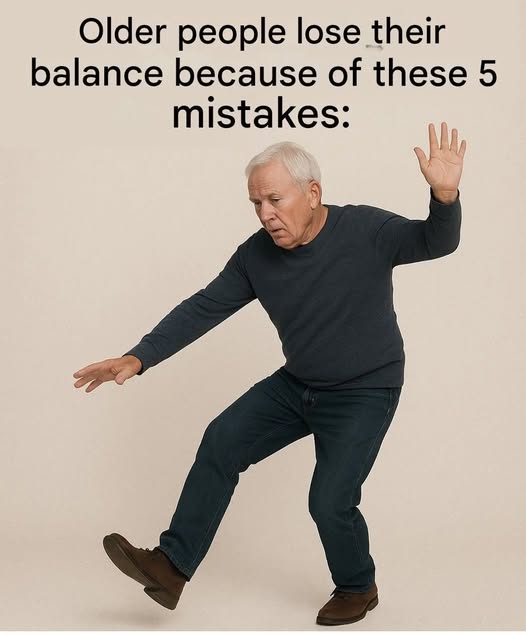
As people age, maintaining balance becomes increasingly important for independence, mobility, and overall quality of life. Unfortunately, many older adults unknowingly develop habits or overlook factors that can significantly increase their risk of losing balance and falling. Falls are not just minor accidents—they can lead to serious injuries such as fractures, reduced confidence, and long-term health complications. Understanding the most common mistakes can help prevent these risks and promote safer daily living.
🚀 Make Money Online – Up to $50 Per Day!
Here are five common mistakes that often cause older people to lose their balance—and how to avoid them.
1. Ignoring Muscle Weakness
One of the biggest contributors to poor balance is muscle weakness, especially in the legs and core. As we age, muscle mass naturally decreases—a condition known as sarcopenia. However, many older adults make the mistake of becoming less active, which accelerates this decline.
Weak muscles make it harder to stabilize the body, especially when standing up, walking on uneven surfaces, or reacting quickly to prevent a fall. Even simple tasks like climbing stairs or getting out of a chair can become challenging.
How to avoid this mistake:
Incorporate light strength training into your routine. Exercises such as chair squats, leg lifts, and gentle resistance training can significantly improve muscle strength. Even regular walking can help maintain muscle tone and coordination.
2. Wearing Unsafe Footwear
Footwear plays a crucial role in balance, yet it is often overlooked. Many older individuals wear slippers, loose sandals, or shoes with smooth soles that lack proper grip. This increases the risk of slipping, especially on tiled or wet floors.
High heels, worn-out shoes, or footwear without proper support can also alter posture and reduce stability.
How to avoid this mistake:
Choose well-fitted shoes with non-slip soles and good arch support. Avoid walking barefoot or in socks on smooth surfaces. Proper footwear provides the stability needed to prevent unnecessary falls.
3. Poor Vision Management
Vision is a key component of balance. It helps the brain understand the environment and coordinate movement. However, many older adults neglect regular eye check-ups or continue using outdated prescriptions.
Conditions like cataracts, glaucoma, or age-related macular degeneration can impair depth perception and make it harder to detect obstacles.
How to avoid this mistake:
Schedule regular eye exams and update glasses as needed. Ensure your living space is well-lit, especially in hallways, staircases, and bathrooms. Good lighting can significantly reduce the risk of tripping or misjudging distances.
4. Taking Medications Without Awareness of Side Effects
Many older adults rely on medications to manage chronic conditions such as high blood pressure, diabetes, or heart disease. However, a common mistake is not being aware of the side effects these medications can cause.
Some medications may lead to dizziness, drowsiness, or a sudden drop in blood pressure when standing—known as orthostatic hypotension. These effects can greatly increase the risk of losing balance.
How to avoid this mistake:
Consult your doctor or pharmacist about the side effects of your medications. If you feel dizzy or unsteady after taking a medication, do not ignore it. Adjustments in dosage or timing may help reduce these risks.
5. Neglecting Balance and Coordination Exercises
Many people focus only on walking or general movement but ignore exercises specifically designed to improve balance and coordination. This is a critical mistake, as balance is a skill that can and should be trained.
Without regular practice, the body becomes less efficient at maintaining stability, especially when faced with sudden movements or uneven surfaces.
How to avoid this mistake:
Incorporate balance exercises into your daily routine. Simple activities like standing on one foot, heel-to-toe walking, or practicing gentle yoga can make a big difference. Programs like tai chi are particularly effective in improving balance and reducing fall risk.
Final Thoughts
Losing balance is not an inevitable part of aging—it is often the result of preventable habits and overlooked factors. By addressing these five common mistakes—ignoring muscle weakness, wearing improper footwear, neglecting vision care, overlooking medication side effects, and skipping balance exercises—older adults can greatly reduce their risk of falls.
Small, consistent changes in daily routines can lead to significant improvements in stability, confidence, and overall well-being. Staying active, aware, and proactive is the key to maintaining balance and enjoying a safer, more independent life.
