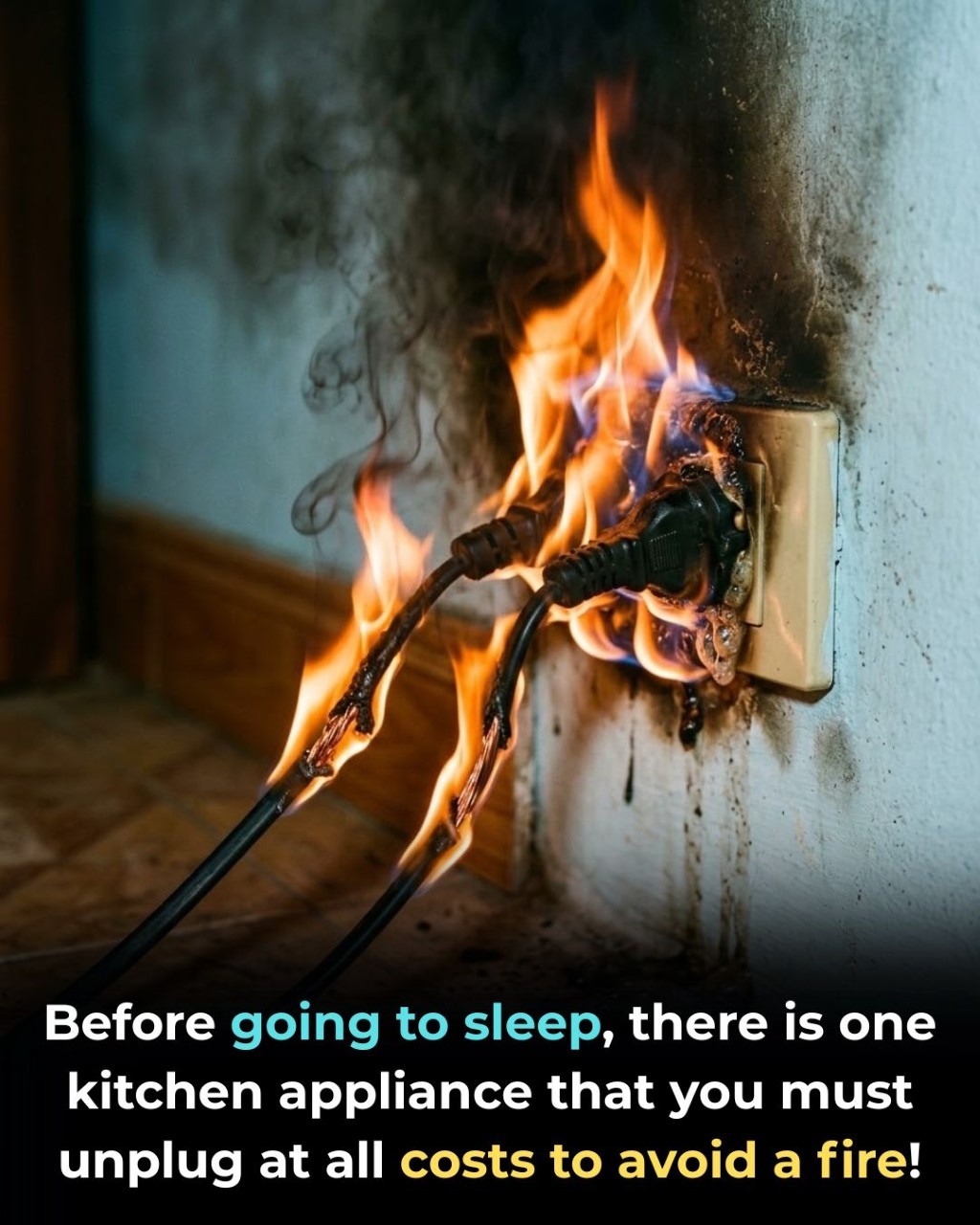
In today’s modern homes, convenience often comes with a hidden cost—both to your wallet and your safety. Many household appliances continue to draw power even when they’re turned off, a phenomenon known as “phantom” or “standby” energy consumption. Over time, this silent drain can add up on your electricity bill and even increase the risk of electrical hazards. The good news? A simple habit—unplugging certain devices when not in use—can make a big difference.
🚀 Make Money Online – Up to $50 Per Day!
Here are five common appliances you should always consider unplugging after use, along with why it matters.
1. Kitchen Appliances (Toasters, Blenders, Coffee Makers)
Small kitchen appliances are among the biggest culprits when it comes to standby energy usage. Devices like toasters, blenders, and coffee makers often remain plugged in on countertops for convenience, but many continue to draw electricity even when idle.
Beyond energy waste, these appliances can also pose a fire hazard. Crumbs inside a toaster, for example, can ignite if there’s an electrical fault. Similarly, a coffee maker left plugged in could malfunction due to power surges.
Unplugging these appliances after each use not only saves energy but also reduces the risk of overheating or accidental activation.
2. Phone Chargers and Laptop Adapters
It’s common to leave chargers plugged into the wall even when they’re not actively charging a device. However, chargers continue to draw small amounts of electricity as long as they’re plugged in, even without a phone or laptop attached.
While the amount of energy used by a single charger may seem insignificant, multiple chargers left plugged in throughout your home can add up over time. Additionally, chargers can become warm and degrade faster if left connected continuously, increasing the risk of damage or even electrical issues.
A simple habit of unplugging chargers when not in use can extend their lifespan and cut down on unnecessary energy consumption.
3. Televisions and Entertainment Systems
Modern televisions, gaming consoles, and streaming devices often remain in standby mode rather than fully turning off. This allows for features like instant startup or remote control activation—but it also means they’re constantly using power.
Entertainment systems are typically connected to multiple devices, including sound systems, DVD players, and gaming consoles. Together, they can contribute significantly to your monthly electricity bill without you realizing it.
Using a power strip can make it easier to disconnect all devices at once. Simply switch off the strip when the system is not in use to eliminate standby power consumption completely.
4. Space Heaters and Fans
Portable heaters and fans are essential for comfort, especially during extreme weather. However, they can be dangerous if left plugged in when not in use.
Space heaters, in particular, are a leading cause of household fires. Even when switched off, a plugged-in heater can pose a risk if there’s a fault in the wiring or a sudden power surge. Fans, while generally safer, can still overheat or suffer electrical damage if left connected unnecessarily.
Unplugging these devices when you leave the room or go to bed is a simple but effective safety measure that can prevent accidents and save energy.
5. Hair Styling Tools (Hair Dryers, Straighteners, Curling Irons)
Hair styling tools generate high levels of heat and consume significant electricity. Devices like hair dryers, flat irons, and curling wands are often used briefly and then left plugged in, sometimes still warm.
This can be particularly dangerous, especially in bathrooms where moisture increases the risk of electrical shock. Even with built-in safety features, these tools can malfunction or accidentally turn on if left connected.
Make it a rule to unplug styling tools immediately after use and allow them to cool down safely. This not only protects your home but also ensures the longevity of the devices.
Why Unplugging Matters
Unplugging appliances isn’t just about saving a few rupees on your electricity bill—it’s about creating a safer, more efficient home. Standby power can account for up to 5–10% of residential energy use, depending on the number of devices you have.
Additionally, unplugging reduces the risk of electrical fires, protects your appliances from power surges, and extends their lifespan. In areas with unstable electricity supply or frequent voltage fluctuations, this habit becomes even more important.
Simple Tips to Make It Easier
Building the habit of unplugging doesn’t have to be inconvenient. Here are a few practical tips:
- Use power strips: Group devices together and switch them off with one button.
- Label plugs: This helps you identify which devices can be safely unplugged.
- Create a routine: Make unplugging part of your daily habits, like before leaving the house or going to bed.
- Invest in smart plugs: These allow you to control power usage remotely and schedule shutdown times.
Final Thoughts
In a world where energy efficiency and safety are more important than ever, small actions can lead to big results. Unplugging appliances after use is one of the simplest ways to reduce your energy consumption, lower your bills, and protect your home from potential hazards.
Start with these five common appliances and gradually expand the habit throughout your home. It’s a small change that delivers lasting benefits—for your wallet, your safety, and the environment.
