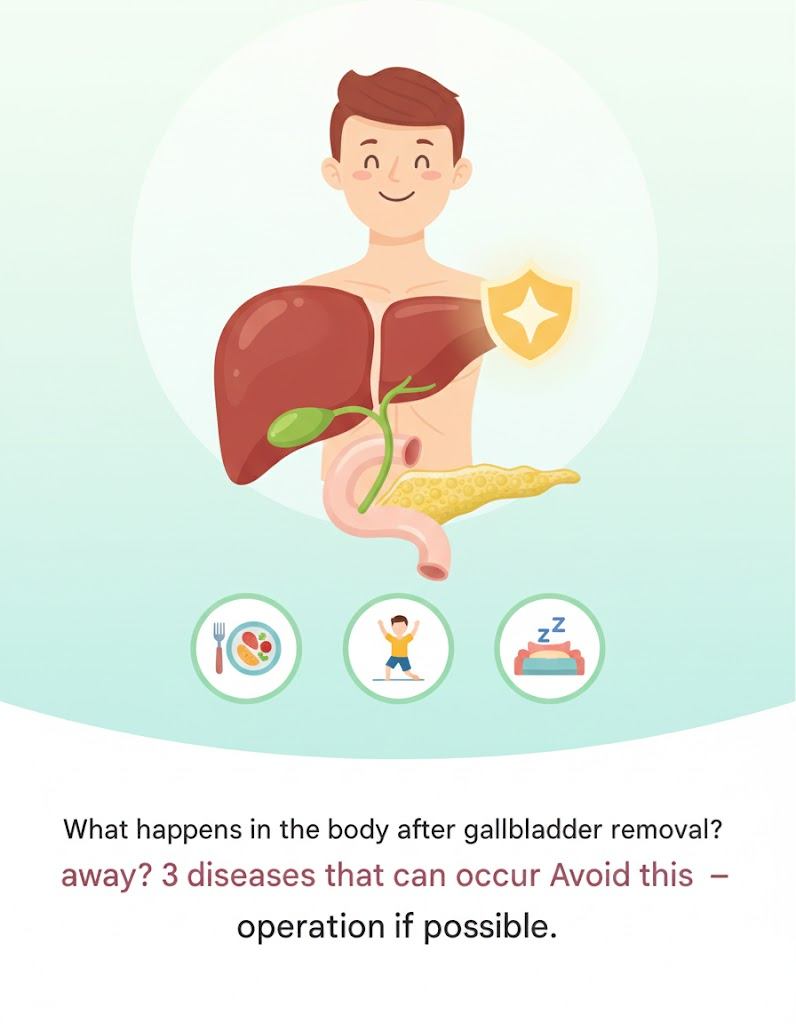
Gallbladder removal, also known as cholecystectomy, is a common surgical procedure often recommended for individuals suffering from gallstones, inflammation, or other gallbladder-related issues. While many people experience relief from pain and discomfort after surgery, there are several lesser-known consequences that can affect long-term health. Understanding these potential effects can help you better manage your well-being and make informed lifestyle choices after the procedure.
🚀 Make Money Online – Up to $50 Per Day!
Understanding the Role of the Gallbladder
The gallbladder is a small organ located beneath the liver. Its primary function is to store and concentrate bile, a digestive fluid produced by the liver. Bile plays a key role in breaking down fats during digestion. When you eat fatty foods, the gallbladder releases bile into the small intestine to aid digestion.
After gallbladder removal, bile flows directly from the liver into the intestine in a continuous, less concentrated stream. While the body adapts over time, this change can lead to certain digestive and metabolic challenges.
Digestive Changes and Discomfort
One of the most common consequences of gallbladder removal is a change in digestion. Without a gallbladder to regulate bile release, some individuals experience difficulty digesting fatty foods. This can lead to symptoms such as bloating, gas, and diarrhea, especially after meals rich in fats.
In some cases, people develop what is known as postcholecystectomy syndrome. This condition includes persistent abdominal discomfort, nausea, and irregular bowel movements. While not everyone experiences these symptoms, they can be frustrating for those who do.
Increased Risk of Diarrhea
Chronic diarrhea is another lesser-known effect that may occur after gallbladder removal. The continuous flow of bile into the intestines can irritate the lining of the digestive tract, leading to frequent, loose stools. This condition, sometimes referred to as bile acid diarrhea, may require dietary adjustments or medication to manage effectively.
Nutrient Absorption Issues
Because bile is essential for fat digestion, the absence of a gallbladder can affect the absorption of fat-soluble vitamins such as vitamins A, D, E, and K. Over time, deficiencies in these nutrients may develop if dietary intake is not carefully managed.
To counteract this, it is important to maintain a balanced diet that includes healthy fats and nutrient-rich foods. In some cases, supplements may be recommended by healthcare providers.
Weight Fluctuations
While some individuals lose weight after gallbladder removal due to dietary changes and reduced fat intake, others may experience unexpected weight gain. This can happen because the body processes fats differently without the gallbladder, potentially altering metabolism and appetite.
Maintaining a consistent, balanced diet and engaging in regular physical activity can help manage weight effectively after surgery.
Impact on Gut Health
The continuous flow of bile can also influence the balance of bacteria in the gut. Changes in gut microbiota may lead to increased sensitivity, bloating, or even conditions like irritable bowel syndrome (IBS) in some individuals.
Supporting gut health through a diet rich in fiber, probiotics, and fermented foods can help restore balance and improve digestive comfort.
Potential Liver Strain
Although the liver continues to produce bile normally after gallbladder removal, the absence of bile storage may place additional demands on the liver over time. In rare cases, this can contribute to liver-related issues if combined with poor diet or existing health conditions.
Regular health check-ups and a liver-friendly lifestyle—such as limiting alcohol and eating whole, unprocessed foods—can help reduce this risk.
Increased Sensitivity to Certain Foods
Many people find that they become more sensitive to certain foods after gallbladder removal. Fatty, greasy, or highly processed foods are the most common triggers, but spicy foods, caffeine, and dairy products can also cause discomfort for some individuals.
Keeping a food diary can help identify personal triggers and guide dietary choices to minimize symptoms.
Managing Life After Gallbladder Removal
While these potential consequences may sound concerning, it is important to remember that many people live healthy, normal lives without a gallbladder. The key is to adopt habits that support digestion and overall health.
Here are some practical tips:
- Eat smaller, more frequent meals to ease digestion
- Limit high-fat and fried foods
- Gradually reintroduce foods to identify sensitivities
- Stay hydrated to support digestive function
- Include fiber-rich foods to promote regular bowel movements
- Consider probiotics to support gut health
When to Seek Medical Advice
If you experience persistent symptoms such as severe abdominal pain, ongoing diarrhea, or unexplained weight changes, it is important to consult a healthcare professional. These symptoms may indicate complications or conditions that require medical attention.
Final Thoughts
Gallbladder removal can bring significant relief from painful conditions, but it also introduces changes that may affect digestion, nutrient absorption, and overall health. By understanding these lesser-known consequences and taking proactive steps, you can maintain a balanced and healthy lifestyle.
