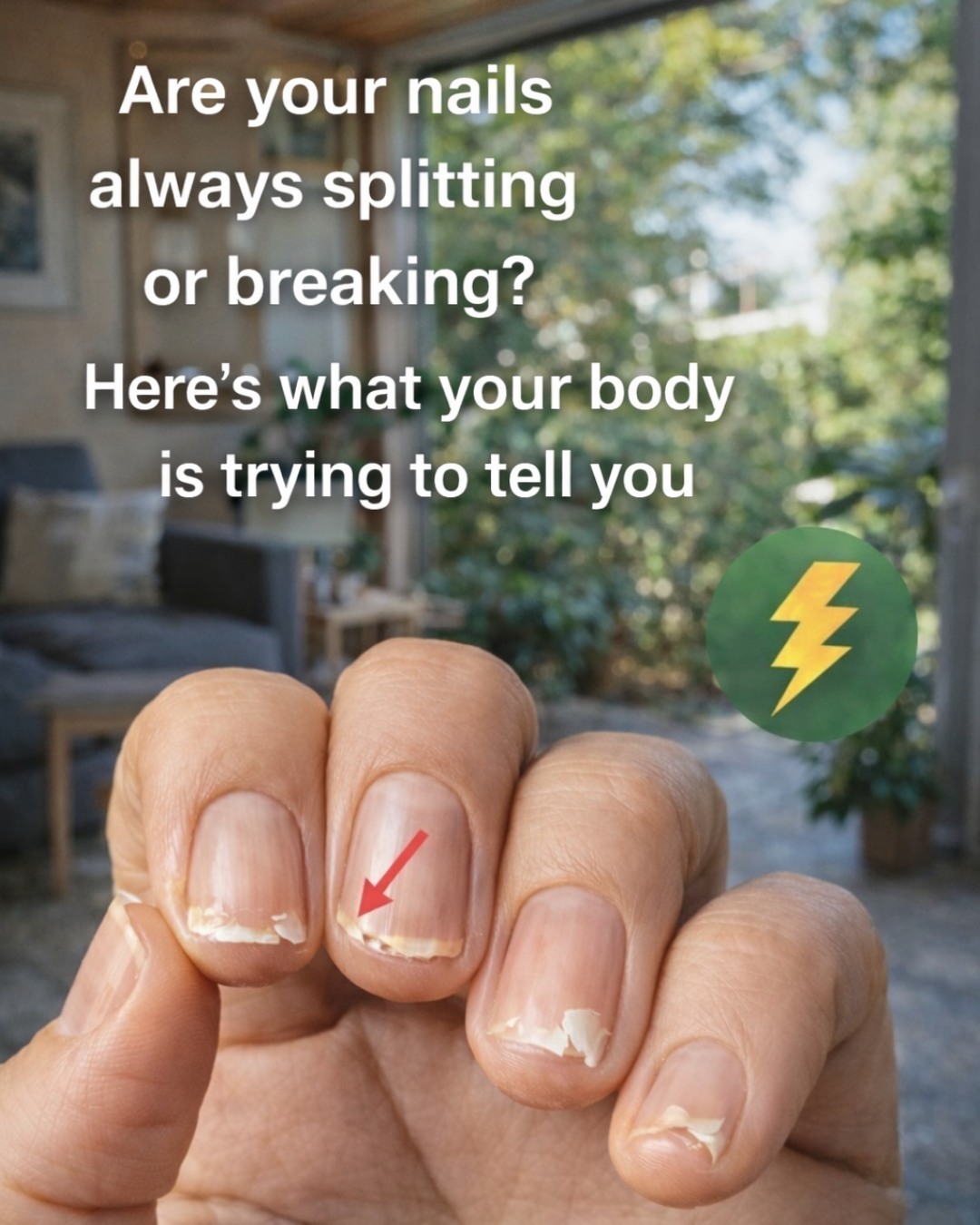
Brittle nails are a common concern that many people experience at some point in their lives. If your nails frequently split, peel, or break, it can be both frustrating and sometimes even painful. While brittle nails may seem like a minor cosmetic issue, they can actually reflect underlying habits, environmental factors, or even health conditions. Understanding the causes is the first step toward stronger, healthier nails.
🚀 Make Money Online – Up to $50 Per Day!
What Are Brittle Nails?
Brittle nails are nails that lack strength and flexibility. Instead of being smooth and durable, they tend to crack, split at the edges, or peel in layers. In medical terms, this condition is often referred to as “onychoschizia” (splitting nails) or “onychorrhexis” (ridged, brittle nails). These issues may appear gradually and worsen over time if the root cause is not addressed.
Common Causes of Brittle Nails
-
Frequent Exposure to Water and Chemicals
One of the most common reasons for brittle nails is repeated exposure to water. Constant wetting and drying can weaken the nail structure, causing it to lose natural oils. This is especially true for people who wash dishes frequently, swim often, or work in environments where hands are regularly submerged. Harsh cleaning products, soaps, and detergents can further strip moisture from the nails, making them more prone to breakage. -
Nutritional Deficiencies
Your nails are made primarily of keratin, a protein that requires proper nutrition to stay strong. A lack of essential nutrients—especially biotin (vitamin B7), iron, zinc, and protein—can lead to weak, brittle nails. Iron deficiency, in particular, is known to cause thin nails that may develop a concave shape (spoon nails). -
Aging
As people age, the body naturally produces less oil and moisture, which affects the nails as well as the skin. This can lead to dryness and increased fragility. Brittle nails are especially common in older adults, even without any underlying medical condition. -
Overuse of Nail Products
Frequent use of nail polish, gel manicures, acrylic nails, and nail polish removers (especially those containing acetone) can damage the nail surface. These products can dehydrate the nails and make them more susceptible to peeling and splitting over time. -
Medical Conditions
Sometimes brittle nails are a sign of an underlying health issue. Conditions such as hypothyroidism, anemia, psoriasis, and fungal infections can affect nail health. If brittle nails are accompanied by other symptoms like fatigue, hair loss, or skin changes, it may be worth consulting a healthcare professional. -
Environmental Factors
Cold, dry weather can sap moisture from your nails, leading to brittleness. People living in dry climates or exposed to air-conditioned environments for long periods may notice their nails becoming weaker. -
Poor Nail Care Habits
Simple habits like biting your nails, using them as tools (to open cans or scratch surfaces), or filing them too aggressively can weaken the nail structure. Improper trimming techniques can also cause splits to worsen.
How to Strengthen Brittle Nails
Improving nail health often requires a combination of better care practices and lifestyle adjustments:
-
Moisturize regularly: Apply hand creams or oils, especially after washing your hands. Look for ingredients like shea butter, vitamin E, or natural oils.
-
Limit water exposure: Wear gloves when doing household chores like washing dishes or cleaning.
-
Choose gentle products: Use acetone-free nail polish removers and avoid excessive use of artificial nails.
-
Maintain a balanced diet: Include foods rich in biotin (eggs, nuts), iron (leafy greens, red meat), and protein (beans, poultry).
-
Keep nails trimmed and filed properly: Use a gentle nail file and avoid harsh back-and-forth motions.
-
Stay hydrated: Drinking enough water helps maintain overall nail and skin health.
When to Seek Medical Advice
While brittle nails are often harmless, persistent or severe symptoms should not be ignored. If your nails suddenly become very weak, change color, or develop unusual shapes, it could indicate a deeper health issue. Consulting a doctor or dermatologist can help identify any underlying conditions and guide proper treatment.
Conclusion
Brittle nails may seem like a small inconvenience, but they often signal that your nails need more care and attention. Whether caused by environmental factors, lifestyle habits, or nutritional gaps, most cases can be improved with simple changes. By protecting your nails, nourishing your body, and adopting healthier routines, you can restore their strength and prevent further splitting and breaking. Healthy nails are not just about appearance—they are a reflection of your overall well-being.
