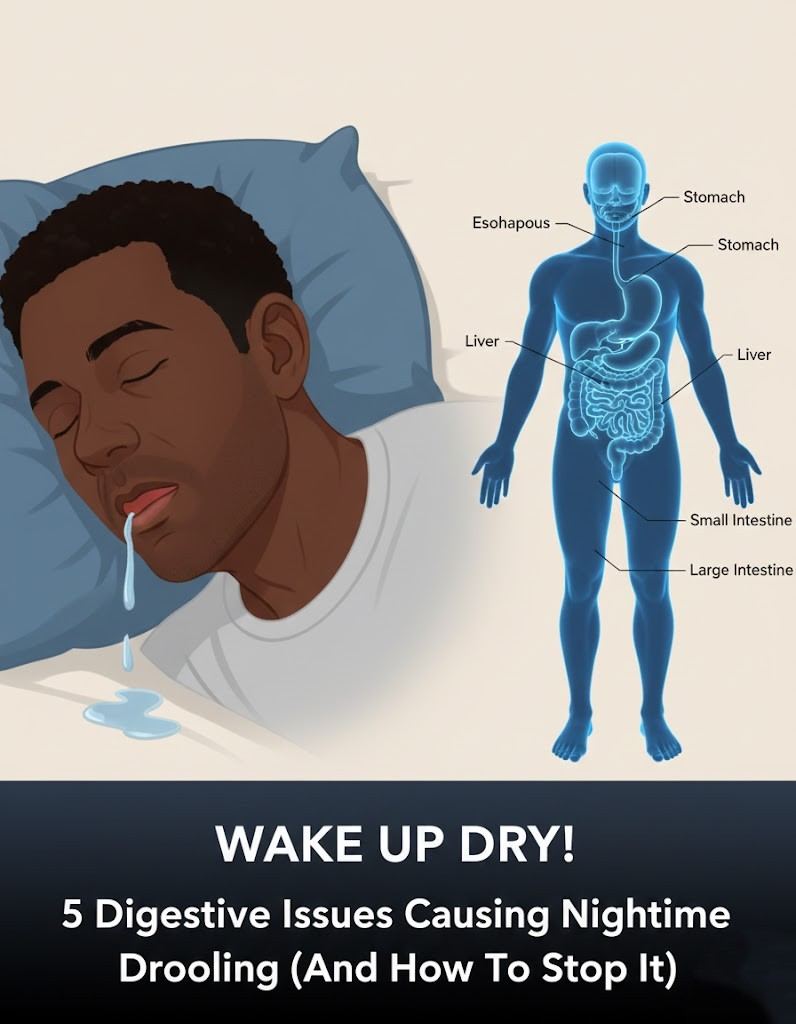
Drooling during sleep is often brushed off as harmless — maybe even a little embarrassing but not serious. However, doctors warn that persistent or excessive nighttime drooling can sometimes signal underlying health issues that shouldn’t be ignored. While occasional drooling is normal (especially when sleeping on your side), chronic drooling may be your body’s way of raising a red flag.
🚀 Make Money Online – Up to $50 Per Day!
Here are six potentially serious conditions that could be linked to excessive drooling during sleep:
1. Sleep Apnea
One of the most common causes of drooling is Sleep Apnea. This condition causes repeated interruptions in breathing during sleep. When airflow is blocked, people often breathe through their mouths, increasing saliva escape.
Other warning signs include:
-
Loud snoring
-
Gasping or choking during sleep
-
Morning headaches
-
Daytime fatigue
If left untreated, sleep apnea can increase the risk of heart disease and stroke.
2. Acid Reflux (GERD)
Gastroesophageal Reflux Disease can also trigger drooling. When stomach acid flows back into the esophagus, it can stimulate excess saliva production — a response known as “water brash.”
Watch for:
-
Burning sensation in the chest (heartburn)
-
Sour taste in the mouth
-
Difficulty swallowing
Chronic GERD can damage the esophagus and lead to more serious complications if ignored.
3. Neurological Disorders
Persistent drooling can sometimes point to problems with the nervous system, such as Parkinson’s Disease or Amyotrophic Lateral Sclerosis.
These conditions can weaken the muscles responsible for swallowing, causing saliva to accumulate and leak out, especially during sleep.
Other symptoms may include:
-
Muscle stiffness or weakness
-
Tremors
-
Slurred speech
-
Difficulty swallowing
Early diagnosis is crucial for managing these conditions effectively.
4. Sinus Infections or Nasal Congestion
Blocked nasal passages from infections or allergies force you to breathe through your mouth, increasing the likelihood of drooling. Conditions like Sinusitis can be a key culprit.
Look out for:
-
Facial pain or pressure
-
Stuffy or runny nose
-
Reduced sense of smell
While often temporary, chronic sinus problems can significantly affect sleep quality and overall health.
5. Dental or Oral Health Issues
Problems inside your mouth can also contribute to drooling. Gum infections, misaligned teeth, or oral infections may interfere with proper mouth closure during sleep.
Conditions like Periodontal Disease can lead to:
-
Swollen or bleeding gums
-
Bad breath
-
Loose teeth
Poor oral health doesn’t just affect your smile — it can also influence your body’s ability to manage saliva.
6. Medication Side Effects
Certain medications can increase saliva production or affect muscle control, leading to drooling. These include:
-
Sedatives
-
Antipsychotics
-
Some antibiotics
If you’ve recently started a new medication and noticed increased drooling, it’s worth discussing with a healthcare provider.
When Should You Be Concerned?
Drooling occasionally — especially after a deep sleep — is usually nothing to worry about. But you should pay attention if it’s:
-
Frequent or worsening
-
Paired with snoring or breathing issues
-
Accompanied by swallowing difficulties
-
Linked with neurological symptoms
These combinations could indicate something more serious.
Simple Ways to Reduce Drooling
While addressing the underlying cause is key, a few lifestyle changes may help reduce symptoms:
-
Sleep on your back instead of your side
-
Keep your head slightly elevated
-
Treat nasal congestion promptly
-
Maintain good oral hygiene
-
Stay hydrated
The Bottom Line
Drooling during sleep isn’t always just a harmless quirk. In some cases, it’s your body signaling that something deeper might be wrong. From sleep disorders to neurological conditions, the causes can range from mild to serious.
