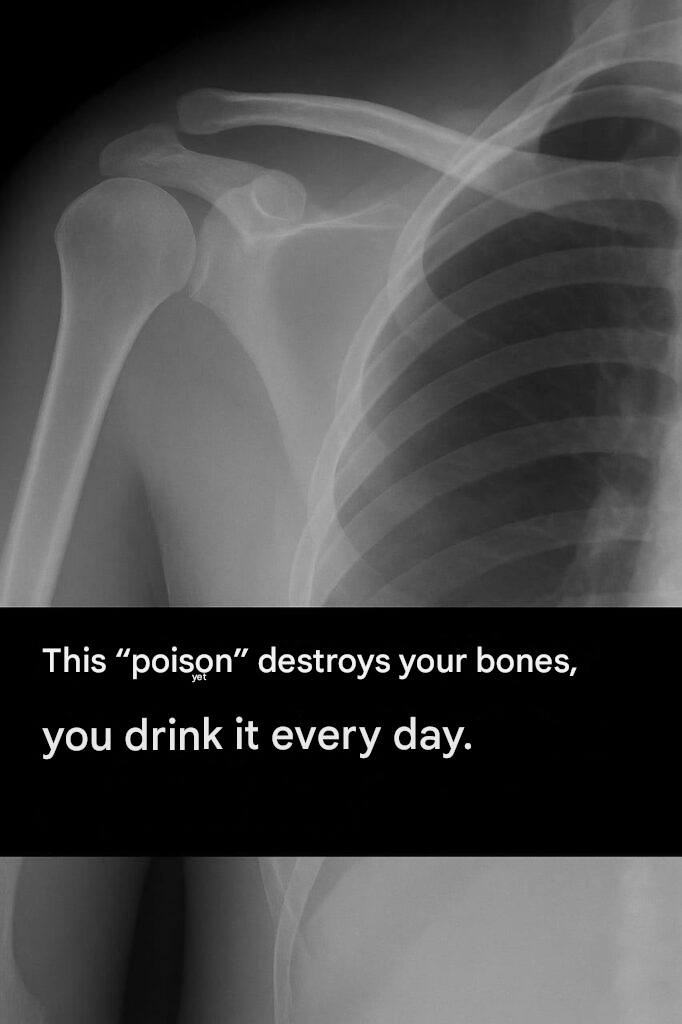
You might not think twice about what you drink every day. A glass of something cold, refreshing, and familiar feels harmless—maybe even healthy. But what if one of your daily habits is quietly weakening your bones over time? It sounds dramatic, even a little alarming, but there’s growing evidence that certain common beverages can have a long-term impact on bone health if consumed excessively.
🚀 Make Money Online – Up to $50 Per Day!
One of the biggest culprits often discussed is sugary soft drinks, especially cola-based sodas. These drinks contain phosphoric acid, which gives them their tangy flavor and longer shelf life. While that might sound harmless, high levels of phosphorus in the body can disrupt the delicate balance between calcium and phosphorus—two minerals that are essential for strong bones. When this balance is off, your body may start pulling calcium from your bones to compensate, gradually weakening them.
Now, to be clear, your body needs phosphorus. It’s not inherently bad. The issue arises when there’s too much of it and not enough calcium to match. Many people who regularly consume sodas don’t get enough calcium in their diet to begin with. Over time, this imbalance can contribute to decreased bone density, making bones more fragile and more prone to fractures.
Another factor is that soda often replaces healthier beverages. Instead of drinking milk, which is rich in calcium and vitamin D, or even water, people may reach for a fizzy drink out of habit. This substitution effect quietly reduces your intake of nutrients that actually strengthen bones. It’s not just what you’re drinking—it’s also what you’re not drinking.
Caffeine, commonly found in many sodas and energy drinks, can also play a role. In large amounts, caffeine may slightly increase calcium loss through urine. While moderate caffeine intake is generally safe for most people, combining it with low calcium intake can make things worse. If your daily routine includes multiple caffeinated drinks and minimal calcium-rich foods, your bones may be paying the price.
But here’s where things get more interesting: it’s not just sodas. Packaged fruit juices, flavored drinks, and even some “health” beverages can contain high levels of sugar and additives that don’t do your bones any favors. Excess sugar consumption has been linked to inflammation and can interfere with the body’s ability to absorb important nutrients. Again, it’s not about one drink—it’s about patterns over time.
So, does that mean your daily drink is “poison”? Not exactly. That word is more of a wake-up call than a literal truth. The real issue is chronic overconsumption. Having a soda once in a while is unlikely to harm your bones. But drinking it every day, in large amounts, while neglecting proper nutrition—that’s where the risk builds up.
The good news is that your bones are living tissue, constantly being broken down and rebuilt. This means you have the power to support and even improve your bone health with the right habits. Increasing your intake of calcium-rich foods like dairy products, leafy greens, nuts, and seeds is a great start. Vitamin D is equally important because it helps your body absorb calcium effectively. Sunlight exposure and certain foods like eggs and fish can help with that.
Hydration also matters more than people realize. Water is the best and simplest choice for your body. It supports every system, including the transport of nutrients that your bones rely on. Herbal teas and natural drinks without added sugars can also be good alternatives.
If you enjoy fizzy drinks, you don’t necessarily have to give them up completely. Moderation is key. Try limiting them to occasional treats rather than daily staples. You can also explore healthier alternatives like sparkling water with a splash of fresh lemon or fruit for flavor. This way, you still get the refreshing experience without the added risks.
At the end of the day, your daily habits shape your long-term health. Something as simple as what you drink might not seem important in the moment, but over years, it can make a significant difference. Strong bones are not just about avoiding fractures—they support your posture, mobility, and overall quality of life as you age.
