🚀 Make Money Online – Up to $50 Per Day!
Most people think of nails as a simple beauty feature—something to polish, trim, or decorate. But in reality, your nails can reveal a lot about your overall health. Changes in color, texture, or shape may be early warning signs that something inside your body needs attention. While not every nail change indicates a serious illness, certain signs should never be ignored. If your nails start to look unusual, it might be time to schedule a medical check-up.
Healthy nails are typically smooth, slightly curved, and consistent in color. They are usually pale pink with a light crescent shape near the base called the lunula. When nails start to change in appearance, it can signal nutritional deficiencies, infections, or underlying health problems. Paying attention to these changes can help you detect issues before they become serious.
One common warning sign is yellow nails. Nails that turn yellow may indicate a fungal infection, especially if they also become thick or brittle. Fungal infections often develop in warm, moist environments and can spread easily if left untreated. In some cases, persistent yellow nails may also be linked to respiratory conditions or lymphatic system disorders. If the discoloration does not improve with good hygiene or antifungal treatment, it’s important to consult a healthcare professional.
Another change to watch for is white spots or lines on the nails. Many people believe these spots come from a lack of calcium, but that’s not always the case. Often they appear after minor injuries to the nail. However, widespread white discoloration across the nails could be related to liver problems, kidney disease, or certain infections. If the spots appear frequently or cover large areas of the nail, it may be worth getting checked by a doctor.
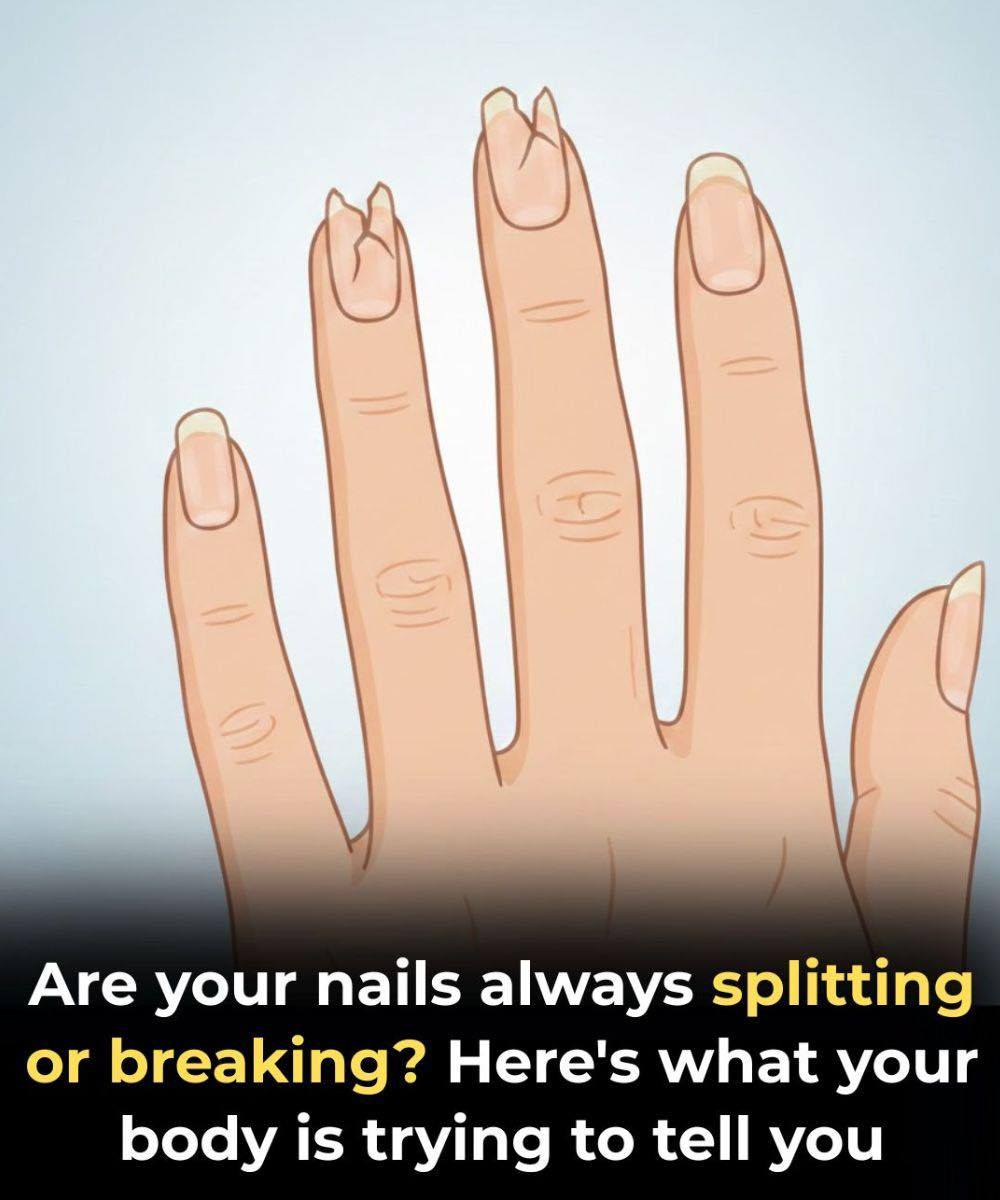
Brittle or cracked nails can also signal underlying issues. While frequent hand washing, harsh chemicals, or nail polish removers can weaken nails, constant brittleness may point to nutritional deficiencies—especially a lack of iron, biotin, or other essential vitamins. In some cases, thyroid disorders can also cause nails to become fragile and break easily. If improving your diet and nail care routine doesn’t help, a medical check-up could identify the root cause.
Another concerning change is spoon-shaped nails, a condition known medically as koilonychia. In this case, the nails become thin and curve upward like a spoon. This unusual shape is often linked to iron-deficiency anemia. When the body lacks enough iron, it cannot produce sufficient healthy red blood cells, which may affect nail growth and structure. Early diagnosis of anemia is important because it can lead to fatigue, weakness, and other health complications if untreated.
Dark lines or streaks under the nail are another sign that should never be ignored. While sometimes these marks can result from injuries or bruising, a persistent dark streak may indicate a serious condition such as melanoma, a form of skin cancer. If you notice a dark line that appears suddenly, grows wider, or changes shape, it’s important to seek medical advice promptly.
Nails can also reveal signs of heart and lung problems. For example, clubbing occurs when the tips of the fingers enlarge and the nails curve downward over the fingertips. This condition may develop slowly over time and can be associated with chronic lung disease, heart disease, or digestive disorders. If you notice swelling at the fingertips along with curved nails, a doctor should evaluate the change.
Pale or bluish nails can signal poor circulation or low oxygen levels in the blood. This might occur in people with heart or lung conditions. In some cases, anemia can also cause nails to appear unusually pale. Since oxygen flow is critical for every organ in the body, this symptom should be taken seriously.
Horizontal grooves or Beau’s lines—deep ridges running across the nail—can also reveal health disruptions. These lines may appear after severe illness, high fever, major stress, or conditions that temporarily stop nail growth. While the lines themselves usually grow out over time, they can serve as a clue that the body experienced a significant health challenge.
It’s important to remember that nails grow slowly, so changes often reflect health events that happened weeks or even months earlier. Because of this delay, nail abnormalities can provide a timeline of what the body has been experiencing.
Keeping your nails healthy involves more than just grooming. Eating a balanced diet rich in vitamins, minerals, and protein supports strong nail growth. Foods such as eggs, nuts, leafy greens, fish, and whole grains provide nutrients like biotin, iron, and zinc that are essential for nail health. Staying hydrated and protecting your hands from harsh chemicals can also help maintain strong, smooth nails.
However, if you notice persistent discoloration, unusual shapes, sudden ridges, or pain around the nails, it’s best not to ignore these signs. A healthcare professional can examine your nails and, if necessary, recommend tests to determine whether there is an underlying medical issue.
Your nails may seem like a small part of your body, but they can reveal big clues about your health. By paying attention to these subtle signals, you can catch potential problems early and take steps to protect your overall well-being. If your nails start to look unusual or change suddenly, it might be your body’s way of telling you that it’s time for a check-up.
