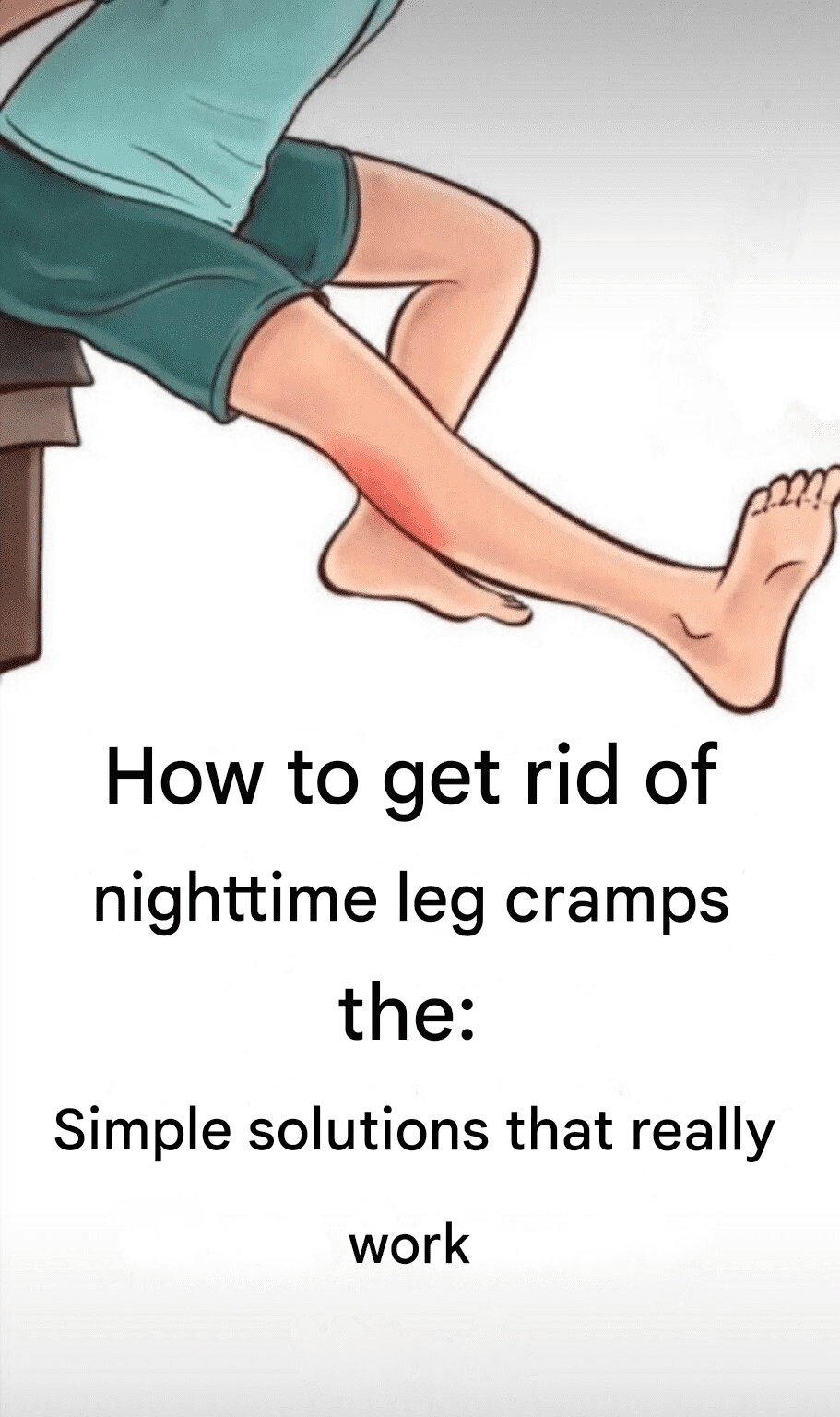
Nighttime leg cramps are a common and frustrating problem. Many people suddenly wake up in the middle of the night with intense pain in their calves, feet, or thighs. The muscle tightens and becomes hard, making it difficult to move the leg for several seconds or even minutes. Although these cramps are usually harmless, they can disturb sleep and affect overall well-being. The good news is that simple lifestyle changes and natural solutions can significantly reduce or even eliminate nighttime leg cramps.
🚀 Make Money Online – Up to $50 Per Day!
One of the most common causes of nighttime leg cramps is dehydration. Muscles need enough fluids to function properly. When the body is dehydrated, muscle fibers become more prone to tightening and spasms. Drinking enough water throughout the day can make a big difference. Most adults should aim for about 6–8 glasses of water daily, though the amount may vary depending on climate and activity level. If you exercise, sweat heavily, or live in a warm environment, your body may require even more fluids.
Another major factor behind nighttime leg cramps is a lack of essential minerals. Minerals such as magnesium, potassium, and calcium play a crucial role in muscle contraction and relaxation. When the body lacks these nutrients, muscles may contract unexpectedly. Adding mineral-rich foods to your daily diet can help prevent this problem. Bananas, avocados, leafy greens, yogurt, nuts, and seeds are excellent choices. Magnesium in particular is well known for helping muscles relax, and many people notice improvement in cramps when they increase their magnesium intake.
Stretching before bed is one of the simplest and most effective ways to prevent nighttime leg cramps. Gentle stretching relaxes the muscles and improves flexibility, which helps reduce sudden spasms during sleep. A simple calf stretch can work wonders. Stand facing a wall, place your hands on the wall, and step one foot back while keeping the heel on the floor. Lean forward slowly until you feel a gentle stretch in the calf. Hold for 20–30 seconds and repeat on the other leg. Performing a few stretches before bedtime prepares your muscles for a more relaxed night.
Regular physical activity also plays an important role. People who sit for long periods or lead a very sedentary lifestyle are more likely to experience muscle cramps. Muscles need regular movement to maintain proper circulation and strength. Activities such as walking, cycling, or light exercise during the day can improve blood flow and reduce the risk of nighttime cramps. However, intense exercise right before bed may sometimes trigger cramps, so it is best to finish workouts at least a few hours before sleeping.
Another helpful solution is adjusting your sleeping position. Sometimes cramps occur because the feet point downward during sleep, which shortens the calf muscles. This position can increase the chance of cramping. Keeping your feet in a more neutral position may help. Some people find relief by placing a pillow under their legs or allowing their feet to hang slightly off the edge of the bed so the calf muscles stay relaxed.
Warmth and relaxation techniques can also help prevent cramps. Taking a warm bath or shower before bed relaxes muscles and improves circulation. Warmth helps muscles loosen and reduces tension that might otherwise lead to spasms during the night. Massaging the legs before sleeping can also be beneficial. A gentle massage improves blood flow and helps release tight muscles, preparing the body for restful sleep.
If a cramp suddenly occurs during the night, there are a few quick methods to relieve the pain. Straightening the leg and gently pulling the toes toward the shin can stretch the calf muscle and stop the cramp. Standing up and putting weight on the leg may also help the muscle relax. Some people find relief by massaging the cramped muscle or applying a warm compress. Moving the leg slowly instead of keeping it still usually helps the muscle recover faster.
Diet and overall health habits also influence muscle function. Excess caffeine or alcohol may contribute to dehydration and increase the likelihood of cramps in some individuals. Maintaining a balanced diet, staying hydrated, and avoiding excessive stimulants before bedtime can improve sleep quality and muscle health.
For older adults, nighttime leg cramps may become more common due to natural changes in muscle tone and circulation. Pregnancy can also increase the risk because the body’s mineral needs change. In these cases, proper nutrition, hydration, and gentle stretching become even more important.
While occasional leg cramps are usually harmless, frequent or severe cramps may sometimes indicate an underlying issue such as nerve problems, circulation disorders, or medication side effects. If cramps happen regularly, last for a long time, or are accompanied by swelling or weakness, it may be wise to consult a healthcare professional.
In many cases, however, nighttime leg cramps can be managed with simple daily habits. Drinking enough water, eating mineral-rich foods, stretching before bed, staying active, and relaxing the muscles at night can greatly reduce the chances of painful cramps interrupting sleep.
