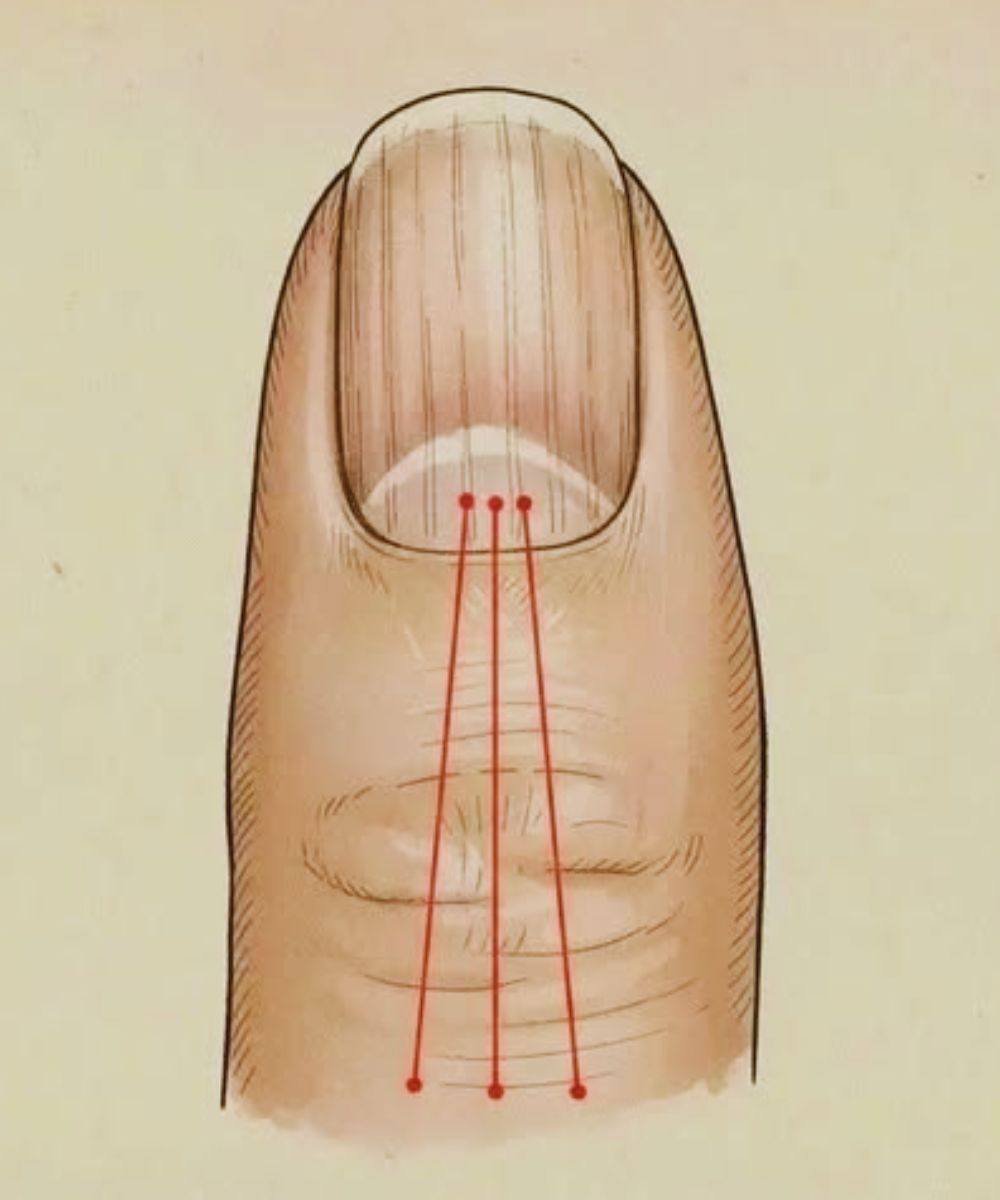
Healthy nails are more than just a cosmetic feature—they can be a reflection of your overall health. If you have ever noticed ridges running across or along your nails, you may have wondered what they mean. Nail ridges are quite common and can appear as vertical lines (from the cuticle to the tip) or horizontal lines across the nail. While some ridges are simply a natural part of aging, others may indicate nutritional deficiencies or underlying health issues. One of the most effective ways to support smoother, stronger nails is through proper nutrition. The foods you eat can provide the vitamins and minerals your body needs to keep your nails healthy and reduce the appearance of ridges.
🚀 Make Money Online – Up to $50 Per Day!
Understanding Nail Ridges
Before discussing what to eat, it is helpful to understand why nail ridges occur. Vertical ridges are usually harmless and often develop as people age because nail growth slows down and the body produces less natural oils. However, if ridges suddenly appear or become more noticeable, they may be linked to deficiencies in important nutrients such as iron, biotin, magnesium, or protein. Horizontal ridges, sometimes called Beau’s lines, may be associated with illness, stress, or trauma to the nail.
Although ridges themselves are rarely dangerous, they can signal that your body needs better nourishment. Eating a balanced diet rich in vitamins and minerals can improve nail health over time and help reduce these ridges.
Protein: The Foundation of Healthy Nails
Nails are made primarily of keratin, a strong structural protein. If your diet lacks enough protein, your nails may become weak, brittle, and more prone to ridges.
To support healthy nail growth, include protein-rich foods in your daily meals. Good sources include eggs, chicken, fish, beans, lentils, and Greek yogurt. Eggs are particularly beneficial because they also contain biotin, a nutrient known for strengthening nails and hair.
Eating adequate protein helps the body produce keratin more effectively, leading to stronger and smoother nails over time.
Biotin: The Nail-Strengthening Vitamin
Biotin, also known as vitamin B7, plays a key role in maintaining strong nails. A deficiency in biotin can lead to brittle nails and visible ridges. Increasing your intake of biotin-rich foods may help improve nail thickness and reduce breakage.
Some excellent sources of biotin include almonds, walnuts, sweet potatoes, bananas, spinach, and whole grains. Eggs are another great option, especially when cooked, as cooking makes the biotin easier for the body to absorb.
Consistently including these foods in your diet can gradually improve nail texture and overall appearance.
Iron: Preventing Weak and Ridged Nails
Iron deficiency is one of the most common nutritional causes of nail problems. Low iron levels can lead to brittle nails, ridges, and even spoon-shaped nails in more severe cases.
To boost iron intake, focus on foods such as lean red meat, spinach, lentils, chickpeas, and fortified cereals. Pairing iron-rich foods with vitamin C sources like oranges, tomatoes, or bell peppers can help your body absorb iron more effectively.
Maintaining healthy iron levels supports proper oxygen circulation in the body, which helps nourish nail cells and promote smooth nail growth.
Magnesium: Supporting Nail Structure
Magnesium is involved in hundreds of processes in the body, including protein synthesis and nail formation. A lack of magnesium may contribute to vertical nail ridges.
Foods rich in magnesium include pumpkin seeds, almonds, cashews, dark leafy greens, and avocados. Whole grains such as brown rice and oats are also excellent sources.
Including these foods regularly can help maintain healthy nail structure and may gradually reduce ridging.
Zinc: Encouraging Healthy Nail Growth
Zinc is another mineral that plays an important role in nail health. It helps with cell growth and tissue repair, which are essential for strong nails. A deficiency in zinc may lead to white spots, ridges, or slow nail growth.
To increase zinc intake, consider eating foods like pumpkin seeds, chickpeas, cashews, eggs, and seafood. Even small improvements in zinc intake can have noticeable effects on nail strength over time.
Omega-3 Fatty Acids: Keeping Nails Hydrated
Dry nails are more likely to develop ridges and break easily. Omega-3 fatty acids help keep the nail bed moisturized and healthy by supporting natural oil production in the body.
Good sources of omega-3 fatty acids include salmon, sardines, walnuts, flaxseeds, and chia seeds. These foods also benefit skin and hair health, making them an excellent addition to a balanced diet.
Regularly consuming omega-3-rich foods can help nails appear smoother and healthier.
Hydration Matters Too
While nutrition is essential, hydration also plays an important role in nail health. Drinking enough water helps maintain moisture in the nails and prevents them from becoming dry and brittle.
Try to drink sufficient water throughout the day and include hydrating foods such as cucumbers, watermelon, and oranges in your meals.
A Sample Nail-Healthy Meal Idea
A simple meal that supports nail health might include grilled salmon with quinoa and steamed spinach, followed by a handful of almonds or walnuts for a snack. This combination provides protein, omega-3 fatty acids, magnesium, iron, and biotin—all nutrients that help strengthen nails and reduce ridges.
Final Thoughts
Nail ridges are often harmless, but they can be a sign that your body needs better nutrition. By focusing on a balanced diet rich in protein, biotin, iron, magnesium, zinc, and healthy fats, you can support stronger, smoother nails from the inside out.
