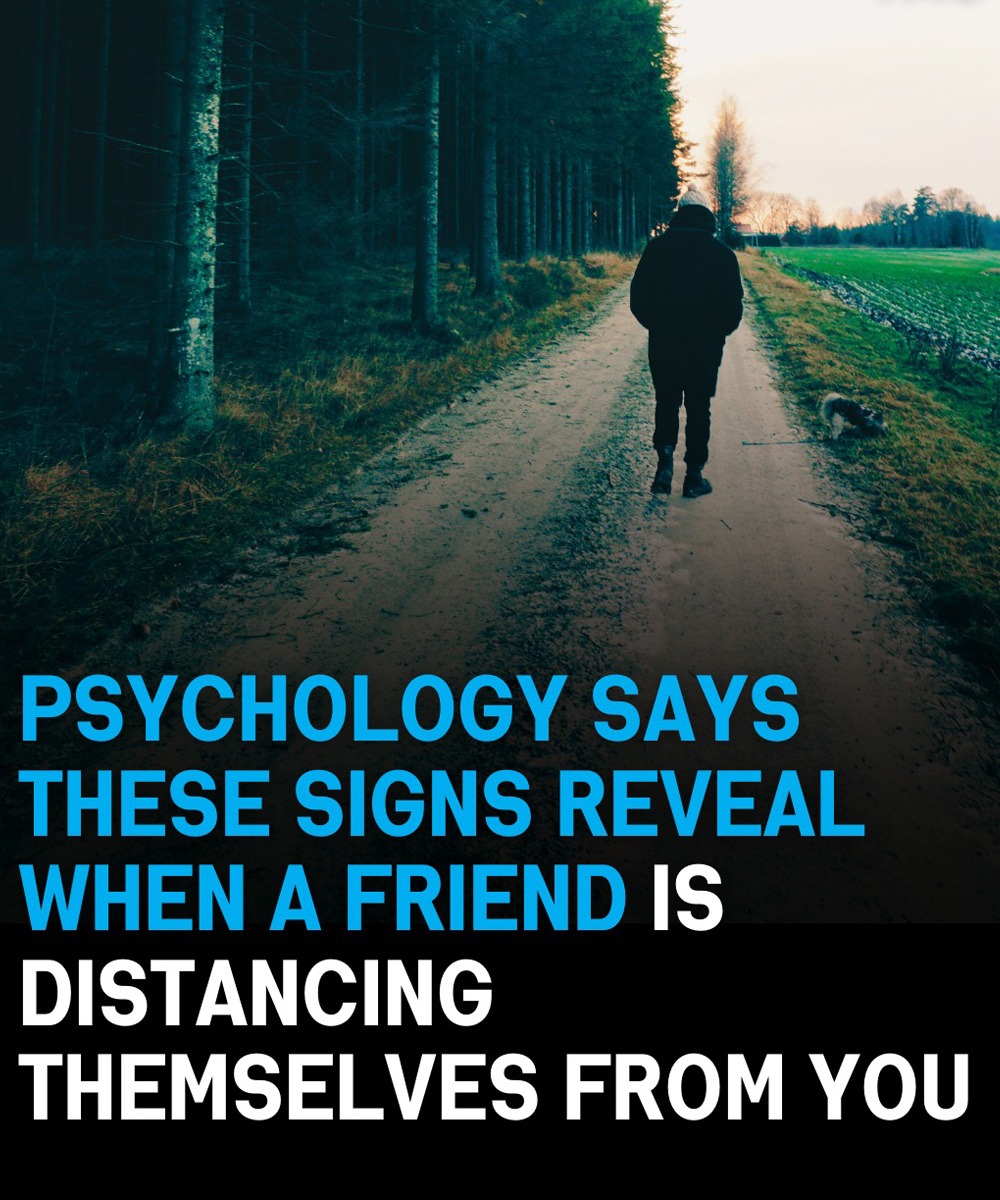
Friendships are among the most meaningful relationships in our lives. They provide comfort, laughter, and emotional support during both joyful and challenging moments. However, sometimes a friendship begins to change in subtle ways. Conversations become shorter, plans happen less often, and the closeness that once felt natural may slowly fade. When this happens, it can be confusing and even painful. Many people wonder whether they are imagining things or if their friend is truly pulling away.
🚀 Make Money Online – Up to $50 Per Day!
Psychology suggests that distancing in friendships rarely happens overnight. Instead, it often occurs gradually through small behavioral shifts. Recognizing these signs can help you better understand what might be happening in your relationship and allow you to respond thoughtfully rather than emotionally.
One of the most common signs that a friend may be distancing themselves is reduced communication. In strong friendships, communication tends to be frequent and natural. You may send messages, share stories, or check in on each other regularly. When someone starts pulling away, these interactions often become less frequent. Messages may go unanswered for long periods, or replies may become short and less engaging. While everyone gets busy sometimes, a consistent drop in communication can signal emotional distance.
Another noticeable sign is a lack of initiative to make plans. Healthy friendships usually involve effort from both sides. If you find that you are always the one suggesting meetups, calling first, or initiating conversations, it may indicate a shift in the balance of the relationship. When someone begins distancing themselves, they often stop taking the initiative to spend time together.
Psychologists also point to changes in body language and emotional openness as potential signals. When friends feel comfortable with each other, they tend to maintain eye contact, laugh freely, and show genuine interest during conversations. If a friend suddenly appears distracted, avoids eye contact, or seems emotionally closed off, it might suggest that they are creating psychological space between you.
Another subtle indicator is frequent cancellations or vague excuses. Life can certainly get busy, and occasional rescheduling is normal. However, if a friend regularly cancels plans at the last minute or gives unclear reasons for not meeting, it may reflect a lack of desire to maintain the same level of closeness.
A further sign is less sharing of personal information. Close friendships usually involve mutual vulnerability. Friends talk about their feelings, challenges, and achievements. When someone begins to distance themselves, they may stop sharing these personal aspects of their life. Conversations might become more superficial, focusing only on general topics rather than meaningful discussions.
In some cases, you may also notice a shift in priorities. Your friend might suddenly spend more time with other people or invest their energy in different activities. While it is healthy for individuals to grow and form new connections, a dramatic change in priorities combined with reduced interaction can sometimes signal emotional withdrawal.
Another psychological sign is reduced emotional support. Friends typically celebrate your successes and comfort you during difficult times. If a friend seems indifferent to events that once mattered to them—such as your achievements or struggles—it can be an indication that the emotional bond is weakening.
It is also important to recognize changes in tone or attitude. A friend who once joked easily or spoke warmly may become more distant or formal in their responses. Conversations might feel forced rather than natural. This shift in emotional tone can be subtle but significant.
However, psychology also reminds us that distancing does not always mean rejection. People sometimes withdraw due to personal stress, life transitions, or emotional challenges that have little to do with the friendship itself. Work pressure, family issues, or mental health struggles can lead someone to temporarily reduce social interaction.
Because of this, the healthiest response is usually open and respectful communication. Instead of assuming the worst, consider gently asking your friend how they are doing and expressing that you have noticed the change. A supportive conversation can often clarify misunderstandings and even strengthen the relationship.
It is also important to reflect on the dynamics of the friendship. Relationships evolve over time, and sometimes people naturally grow in different directions. This does not necessarily mean that the friendship was meaningless; it simply reflects the natural changes that occur as individuals develop new interests and life paths.
Maintaining self-respect is equally essential. If you consistently feel ignored, unappreciated, or emotionally drained, it may be helpful to step back and focus on relationships that feel balanced and supportive. Healthy friendships involve mutual effort, respect, and care.
In the end, recognizing the psychological signs of distancing can help you navigate friendships with greater awareness. Rather than reacting with hurt or resentment, understanding these signals allows you to approach the situation with empathy and clarity. Whether the friendship rekindles or gradually fades, these experiences often teach valuable lessons about communication, emotional boundaries, and the importance of nurturing meaningful connections.
