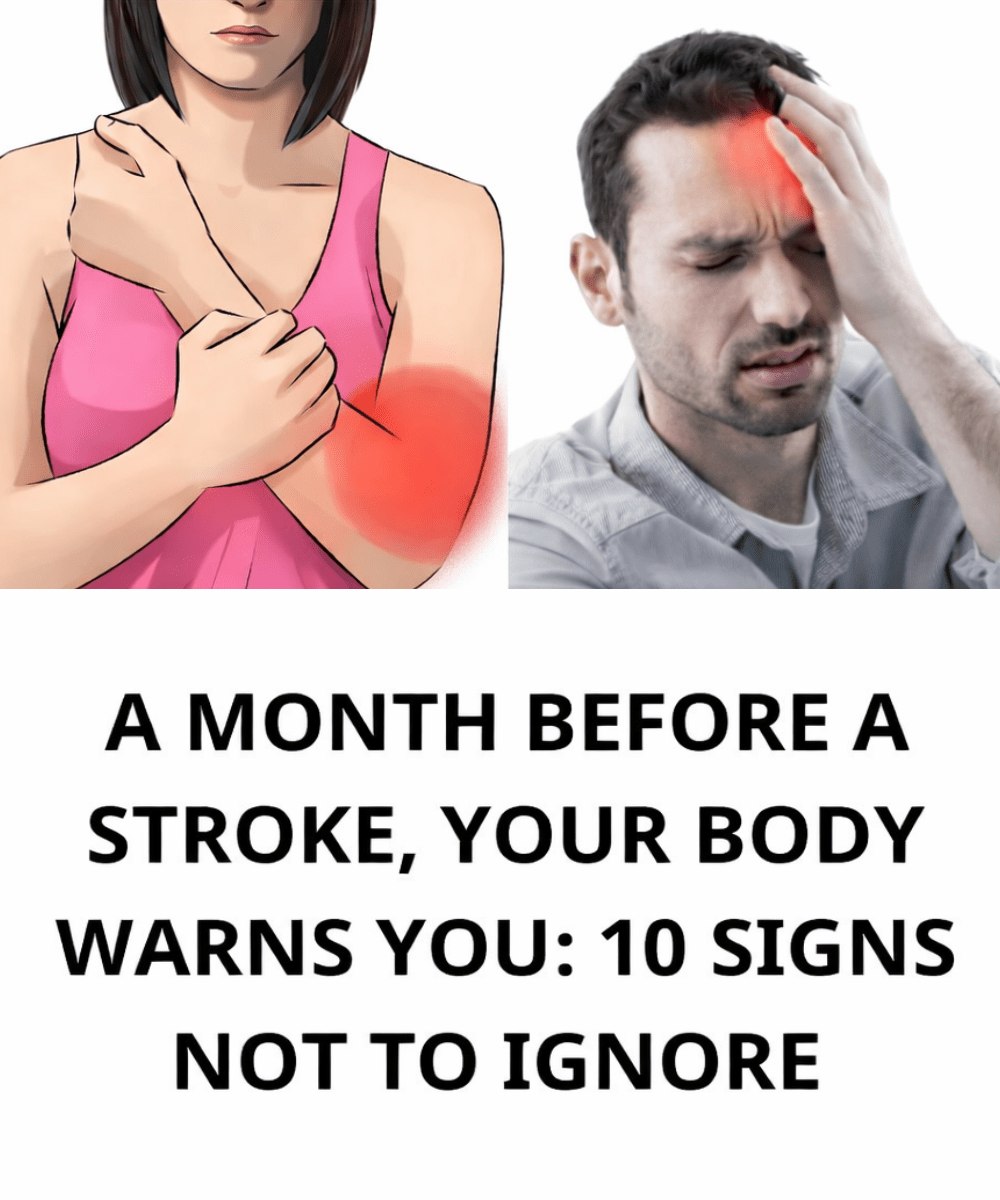
A stroke rarely happens without warning. In many cases, the body sends signals days or even weeks before a major event occurs. These early symptoms are often caused by what doctors call a “mini-stroke,” medically known as a Transient Ischemic Attack. Unlike a full stroke, symptoms may disappear quickly—but that doesn’t mean the danger is gone. A TIA is a serious red flag that a larger stroke could follow.
🚀 Make Money Online – Up to $50 Per Day!
Here are 10 warning signs you should never ignore.
1. Sudden Weakness or Numbness on One Side
If your face, arm, or leg suddenly feels weak, numb, or heavy—especially on one side of the body—it could signal interrupted blood flow to the brain. You might notice your smile looks uneven or that you’re struggling to lift one arm. Even if the sensation fades after a few minutes, seek medical attention immediately.
2. Slurred or Confused Speech
Trouble speaking clearly, slurring words, or struggling to understand simple sentences can be an early warning sign. You may know what you want to say but can’t get the words out correctly. This symptom often appears suddenly and should never be brushed off.
3. Sudden Vision Problems
Blurred vision, double vision, or temporary blindness in one or both eyes can occur when blood supply to parts of the brain responsible for sight is affected. Some people describe it as a curtain falling over one eye. Even short episodes require urgent evaluation.
4. Severe Headache Without Cause
A sudden, intense headache—often described as “the worst headache of your life”—can be a sign of bleeding in the brain. If it appears without a known trigger and is accompanied by nausea, dizziness, or stiff neck, it could signal a serious issue.
5. Dizziness or Loss of Balance
Feeling unsteady, dizzy, or having difficulty walking can point to a stroke affecting the cerebellum or brainstem. If you suddenly can’t coordinate your movements or feel like the room is spinning, don’t ignore it.
6. Sudden Confusion
Confusion that appears abruptly—such as not recognizing familiar people or places—can indicate reduced blood flow to areas of the brain responsible for cognition. If mental clarity disappears without explanation, medical evaluation is critical.
7. Facial Drooping
One side of the face may droop or feel numb. A simple way to check is to smile in the mirror. If one side doesn’t move as it should, seek help right away. Facial asymmetry is one of the most recognized stroke symptoms.
8. Difficulty Swallowing
Trouble swallowing (dysphagia) may occur when muscles controlled by the brain are affected. If you suddenly choke on food or liquids without an obvious reason, it may be linked to neurological changes.
9. Sudden Fatigue or Weakness
Unexplained, extreme fatigue—especially when paired with other symptoms—can sometimes occur before a stroke. Some people report feeling unusually exhausted or drained days beforehand.
10. Numbness or Tingling
A pins-and-needles sensation in the face, arms, or legs, especially if isolated to one side, may indicate compromised blood flow. Even if it resolves quickly, it’s not something to dismiss.
Why These Signs Matter
According to health organizations like the American Stroke Association, up to one in three people who experience a TIA will later have a full stroke. The highest risk is within the first 48 hours after symptoms appear.
A stroke occurs when blood flow to part of the brain is blocked (ischemic stroke) or when a blood vessel ruptures (hemorrhagic stroke). Brain cells begin to die within minutes without oxygen. Rapid treatment can significantly reduce long-term damage.
Doctors often use the acronym FAST to remember the most urgent symptoms:
-
Face drooping
-
Arm weakness
-
Speech difficulty
-
Time to call emergency services
If any of these signs appear—even briefly—immediate medical care is essential.
Risk Factors to Watch
Certain conditions increase the likelihood of stroke, including high blood pressure, diabetes, high cholesterol, smoking, obesity, and heart disease. People over 55 are at higher risk, but strokes can occur at any age.
Managing blood pressure, staying physically active, eating a balanced diet, and avoiding tobacco can dramatically reduce risk. Regular medical checkups help detect silent problems before they become emergencies.
When to Seek Help
Never wait to see if symptoms improve. Even if they disappear within minutes, they may signal a looming stroke. Emergency evaluation can include brain imaging, blood tests, and monitoring to determine the cause and prevent a larger event.
Early intervention can save brain function—and lives.
Final Thoughts
Your body often whispers before it screams. Sudden weakness, confusion, vision changes, or speech problems are not “just stress” or “just fatigue.” They may be life-saving warnings.
