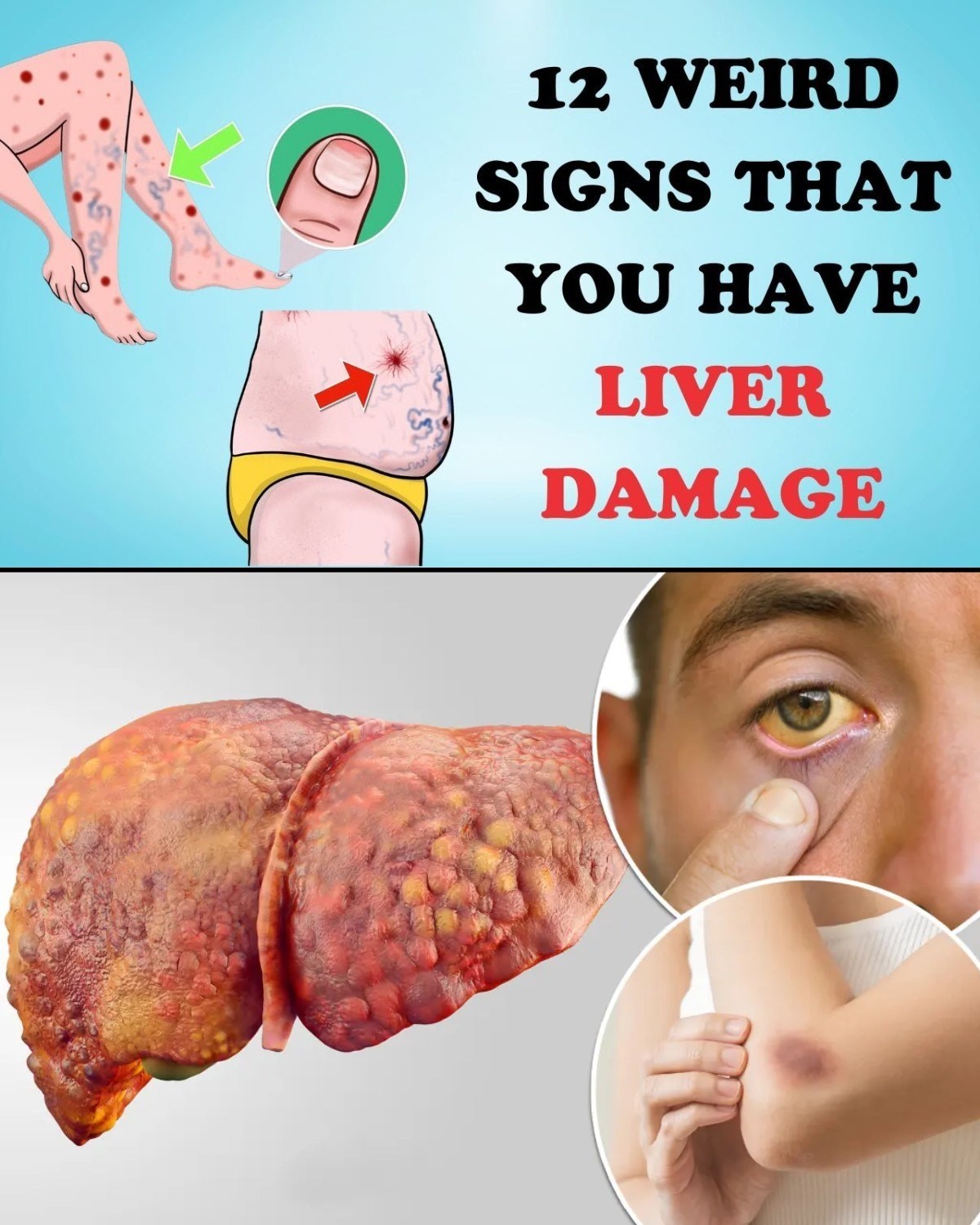
Your liver is one of the hardest-working organs in your body. It filters toxins, processes nutrients, balances hormones, supports digestion, and helps regulate blood sugar. According to the World Health Organization, liver diseases are a growing global health concern, often progressing silently until significant damage has occurred.
🚀 Make Money Online – Up to $50 Per Day!
The tricky part? Early liver stress doesn’t always show up as obvious pain. Instead, your body may send subtle and unusual warning signs. Here are 12 symptoms you should never ignore.
1. Persistent Fatigue
Feeling constantly tired—even after a full night’s sleep—can be an early sign of liver dysfunction. When your liver struggles to filter toxins efficiently, waste products can accumulate in your bloodstream, leaving you feeling drained and sluggish.
2. Yellowing of Skin or Eyes (Jaundice)
Jaundice is one of the more recognizable liver warning signs. It happens when bilirubin builds up in the blood due to poor liver processing. If you notice a yellow tint in your skin or the whites of your eyes, seek medical attention promptly.
3. Dark Urine
If your urine suddenly becomes darker (amber or brown) without dehydration being the cause, it may signal excess bilirubin in your system—a possible sign of liver stress.
4. Pale or Clay-Colored Stools
Healthy bile gives stool its brown color. When bile flow is disrupted due to liver or bile duct issues, stools may appear pale, gray, or clay-colored.
5. Unexplained Itchy Skin
Persistent itching without a rash may be linked to bile salt buildup under the skin. This can happen when the liver isn’t processing bile properly.
6. Swelling in the Abdomen
Fluid accumulation in the abdomen, known as ascites, can indicate advanced liver disease. It may cause noticeable bloating or tightness in the belly.
7. Easy Bruising or Bleeding
Your liver produces proteins necessary for blood clotting. If you find yourself bruising easily or bleeding longer than usual from minor cuts, it may be due to reduced clotting factors.
8. Nausea or Loss of Appetite
Chronic nausea, digestive discomfort, or a sudden aversion to food can occur when liver function declines. Since the liver helps process fats and toxins, digestive symptoms are common.
9. Bad Breath (Foetor Hepaticus)
In advanced cases, liver dysfunction can cause a distinctive musty or sweet breath odor known as “foetor hepaticus.” It results from toxins entering the bloodstream and being exhaled through the lungs.
10. Confusion or Brain Fog
When the liver cannot effectively remove toxins like ammonia, they can affect brain function. This condition, called hepatic encephalopathy, may lead to confusion, memory problems, or personality changes.
11. Spider-Like Blood Vessels on the Skin
Small, spider-shaped blood vessels (spider angiomas) appearing on the chest, neck, or face can be linked to hormonal imbalances caused by liver dysfunction.
12. Pain or Discomfort in the Upper Right Abdomen
The liver sits in the upper right portion of your abdomen. Persistent discomfort or a dull ache in this area can signal inflammation or enlargement.
Common Causes of Liver Strain
Liver problems can develop for many reasons, including:
-
Fatty liver disease
-
Excessive alcohol consumption
-
Viral hepatitis
-
Certain medications
-
Obesity and diabetes
Conditions like hepatitis are significant contributors worldwide, and organizations such as the Centers for Disease Control and Prevention emphasize regular screening for at-risk individuals.
When to See a Doctor
If you experience multiple symptoms on this list—especially jaundice, abdominal swelling, confusion, or severe fatigue—consult a healthcare professional immediately. Early detection can significantly improve outcomes.
Routine blood tests (like liver function tests) can identify problems before symptoms worsen. Lifestyle adjustments, medication, or further testing may be recommended depending on the cause.
How to Support Liver Health
While this article focuses on warning signs, prevention matters just as much. Here are simple steps to help protect your liver:
-
Limit alcohol consumption
-
Maintain a healthy weight
-
Eat a balanced diet rich in vegetables and lean protein
-
Exercise regularly
-
Avoid unnecessary medications and supplements
-
Get vaccinated for hepatitis if recommended
Final Thoughts
Your liver works tirelessly behind the scenes, often without recognition. But when it starts to struggle, your body sends signals—sometimes subtle, sometimes alarming.
Don’t ignore persistent fatigue, unusual skin changes, digestive issues, or unexplained swelling. Early attention could make the difference between reversible liver stress and long-term damage.
