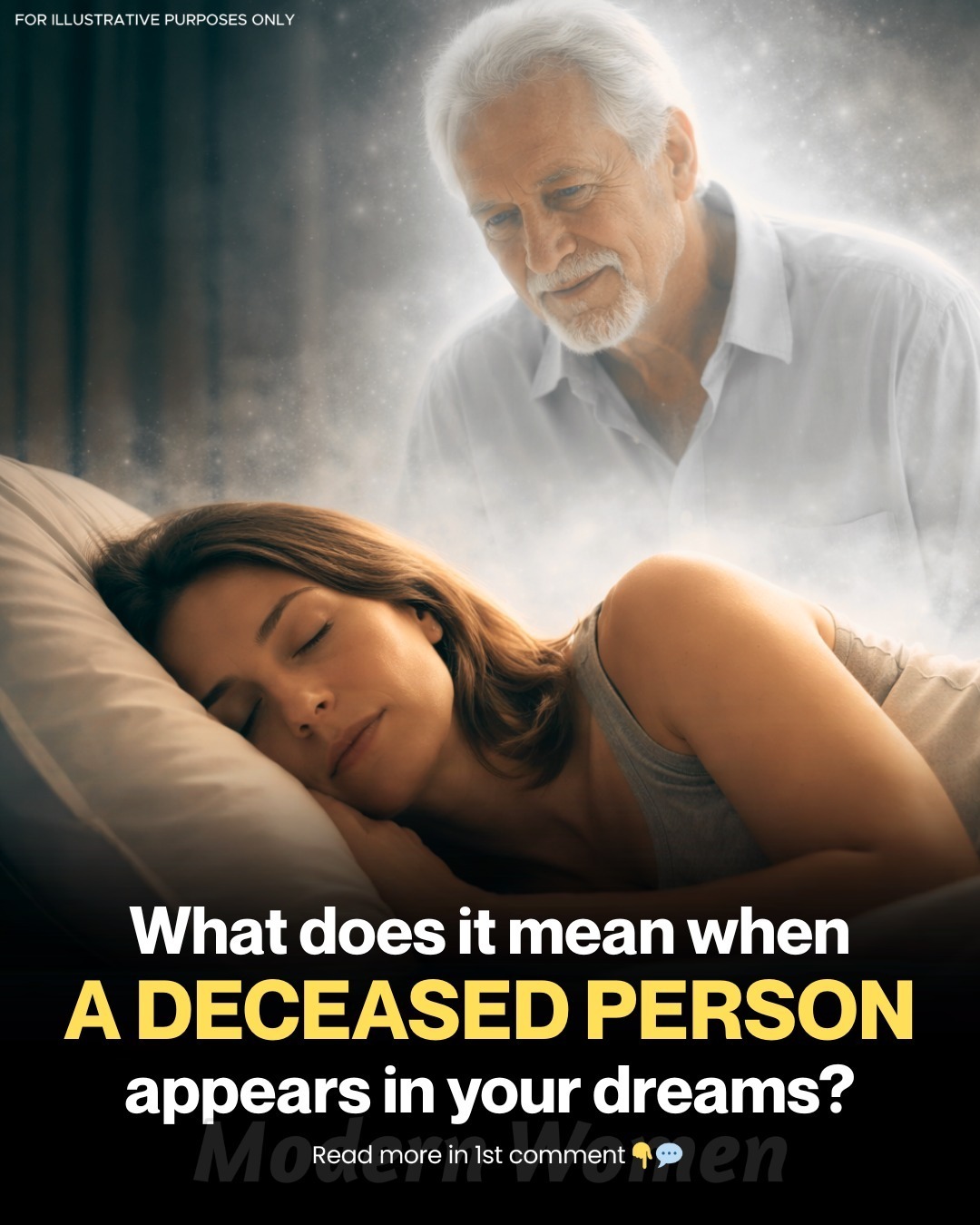
Dreams have fascinated humanity for centuries, especially those in which we see loved ones who have passed away. These dreams can feel incredibly real—so vivid that we wake up emotional, comforted, or sometimes unsettled. But why do we dream of people who are no longer alive? While there isn’t a single explanation, psychology, neuroscience, and even cultural beliefs offer meaningful insights into this deeply personal experience.
🚀 Make Money Online – Up to $50 Per Day!
1. Dreams as a Part of the Grieving Process
One of the most common reasons we dream about deceased loved ones is grief. When someone important to us dies, our brain doesn’t instantly adjust to their absence. During sleep—particularly in the REM (Rapid Eye Movement) stage—our brain processes emotions and memories.
Dreaming about someone who has passed can be part of the natural healing process. These dreams may:
-
Help us cope with loss
-
Allow us to “reconnect” emotionally
-
Provide a sense of closure
-
Reduce feelings of guilt or regret
Sometimes the dream feels like a final goodbye we never had. Other times, it feels like reassurance that the bond we shared still exists in some way.
2. Memory and Emotional Processing
Our brains are constantly organizing and storing memories. When someone significant dies, the emotional intensity connected to that person remains strong. Because dreams often draw from emotionally charged memories, it’s natural for deceased loved ones to appear in them.
Interestingly, the brain doesn’t clearly distinguish between “past” and “present” relationships during dreams. It simply reactivates neural patterns linked to that person—how they looked, spoke, or made us feel. That’s why dream encounters can seem incredibly realistic.
You may notice these dreams occur:
-
On anniversaries of their death
-
Around birthdays or holidays
-
During stressful periods
-
When facing major life changes
Your mind may be revisiting that person because they once played a guiding or supportive role in your life.
3. Unresolved Feelings
Not all dreams about the deceased are peaceful. Some may involve arguments, unfinished conversations, or confusing emotions. This often reflects unresolved feelings.
Perhaps there were things left unsaid. Maybe you’re still struggling with guilt, anger, or longing. Dreams create a safe psychological space to explore those emotions. Your subconscious mind may be working through unfinished emotional business.
In many cases, once these feelings are processed, the dreams become less frequent or more comforting.
4. Comfort and Attachment
Humans form deep attachments. When someone we love dies, that attachment doesn’t instantly disappear. Dreams can serve as a temporary continuation of that bond.
Research suggests that many bereaved individuals report “visitation dreams,” which feel especially vivid and peaceful. In these dreams, the deceased may appear healthy, smiling, or offering reassurance. Whether viewed scientifically or spiritually, these dreams often bring comfort rather than fear.
The emotional tone of the dream matters more than the specific details. If you wake feeling calm or supported, your brain may be helping you maintain a healthy internal connection with that person.
5. Cultural and Spiritual Interpretations
Across cultures, dreams of the deceased carry special meaning. Some traditions believe these dreams are spiritual visits, messages, or signs. Others see them as reflections of the soul’s ongoing journey.
While science explains dreams as neurological activity, cultural beliefs shape how we interpret them. What matters most is how the dream feels to you. If it brings peace, many find comfort in viewing it as meaningful—regardless of the explanation.
6. Stress and Life Transitions
Sometimes we dream of those who have passed during challenging times. If you’re facing a difficult decision, experiencing loneliness, or navigating change, your mind may “call upon” the memory of someone who once provided strength or wisdom.
For example:
-
Starting a new job
-
Moving to a new home
-
Becoming a parent
-
Experiencing illness
-
Feeling overwhelmed
In these moments, your brain may symbolically bring back someone who represented stability, love, or guidance.
7. Are These Dreams Normal?
Yes—completely normal.
Studies show that a large percentage of people experience dreams of deceased loved ones at some point in their lives. These dreams are not signs of mental illness or something “wrong.” They are a common part of being human and having loved deeply.
If the dreams are distressing or cause ongoing anxiety, speaking with a counselor can help. But in most cases, they are a healthy expression of memory and emotion.
8. Why They Feel So Real
Dreams of deceased loved ones often feel more vivid than ordinary dreams. This is because strong emotions activate the amygdala, the brain’s emotional center, during REM sleep. When emotional intensity is high, dream imagery becomes sharper and more memorable.
That’s why you may remember these dreams years later—the emotional imprint is powerful.
9. What Should You Do After Such a Dream?
There’s no “right” response, but many people find it helpful to:
-
Write the dream down
-
Reflect on the emotions it triggered
-
Talk about it with someone you trust
-
Consider what the person represented in your life
Rather than focusing on whether the dream was literal or symbolic, focus on what it meant to you emotionally.
Final Thoughts
Dreaming of someone who has passed away is one of the most profound experiences we can have during sleep. These dreams often reflect love, memory, attachment, and the deep imprint certain people leave on our lives.
They remind us that while physical presence may be gone, emotional connections remain woven into who we are. Whether you interpret these dreams as psychological processing, spiritual connection, or simply the mind’s natural activity, they are a testament to the powerful bonds we form.
