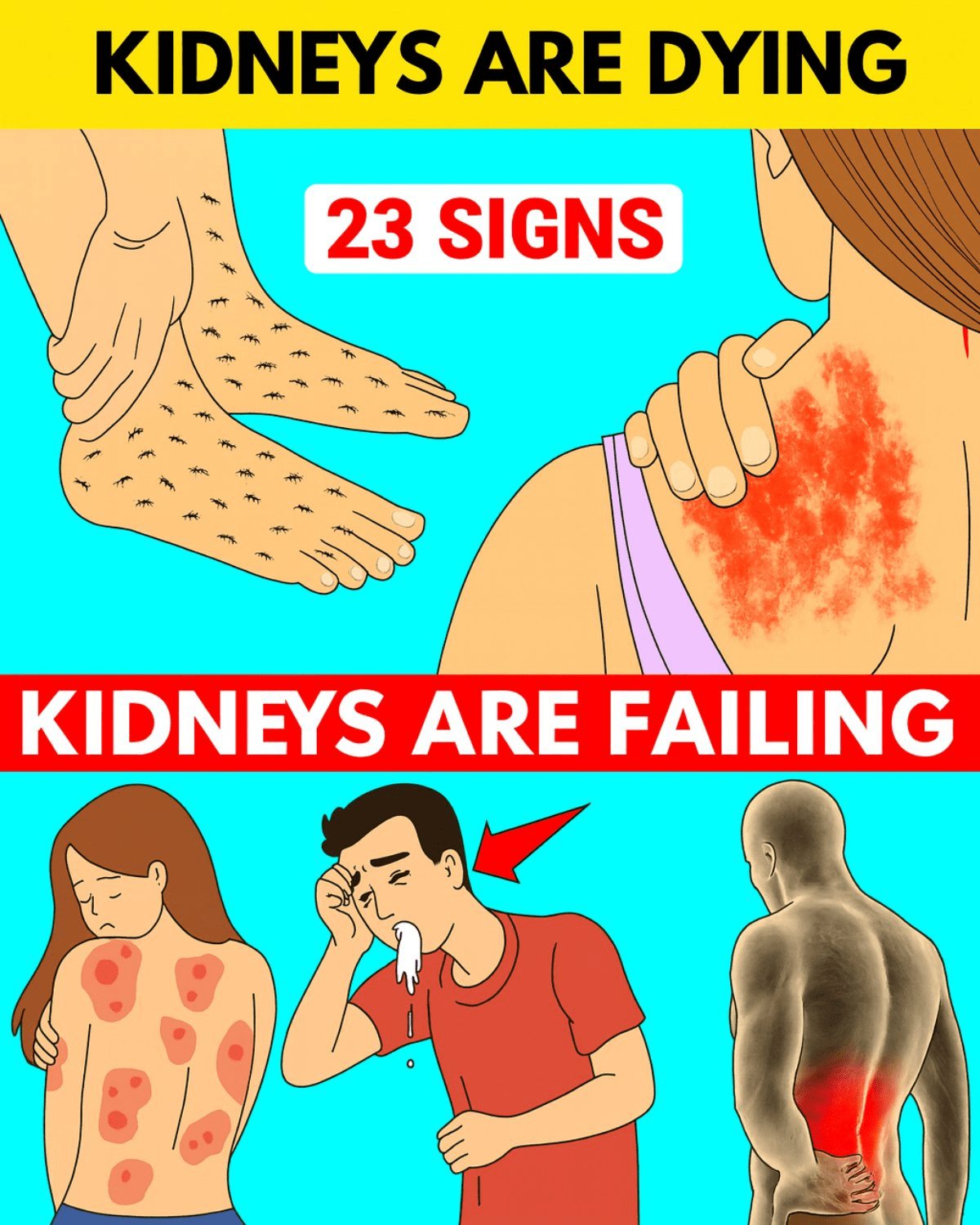
Your kidneys are two bean-shaped organs that quietly work 24/7 to filter waste, balance fluids, regulate blood pressure, and support overall health. Because they function so efficiently, early kidney problems often go unnoticed. By the time clear symptoms appear, damage may already be significant. That’s why recognizing unusual warning signs can make a real difference.
🚀 Make Money Online – Up to $50 Per Day!
Here are 23 strange and often overlooked signs that your kidneys might be in trouble.
1. Persistent Fatigue
When kidneys aren’t filtering toxins properly, waste builds up in the blood. This can make you feel constantly tired, weak, and mentally drained—even after a full night’s sleep.
2. Trouble Concentrating
Toxin buildup and reduced oxygen flow (due to anemia linked with kidney disease) may cause brain fog, poor memory, and difficulty focusing.
3. Changes in Urination
Your urine habits are one of the first indicators of kidney issues:
-
Urinating more often, especially at night
-
Producing less urine than usual
-
Feeling pressure but passing little urine
4. Foamy or Bubbly Urine
Foamy urine can indicate excess protein in the urine, a condition called proteinuria. This is often one of the earliest signs of kidney damage.
5. Blood in Urine
Healthy kidneys filter waste but keep blood cells in the body. If you notice pink, red, or cola-colored urine, it could signal kidney disease or infection.
6. Swollen Feet and Ankles
When kidneys can’t remove excess sodium, fluid retention occurs. This often causes swelling in the lower legs, feet, hands, or face.
7. Puffy Eyes
Persistent puffiness around the eyes may indicate protein leaking into the urine, a sign that kidney filters are damaged.
8. Dry and Itchy Skin
Kidneys help balance minerals and nutrients in the blood. Advanced kidney problems can cause mineral imbalances that lead to dry, irritated, itchy skin.
9. Muscle Cramps
Electrolyte imbalances, especially low calcium or potassium levels, may trigger frequent muscle cramps.
10. Poor Appetite
A buildup of waste products can affect taste and smell, leading to reduced appetite and unintended weight loss.
11. Metallic Taste in the Mouth
Some people with kidney problems report a metallic taste or ammonia-like breath due to toxin accumulation.
12. Nausea and Vomiting
As waste builds up in the bloodstream (uremia), it may cause digestive upset, including nausea and vomiting.
13. Shortness of Breath
Fluid buildup in the lungs or anemia related to kidney disease may cause unexplained breathlessness.
14. Feeling Cold All the Time
Kidney disease often leads to anemia, which can make you feel cold even in warm environments.
15. Frequent Headaches
Poor kidney function may raise blood pressure. High blood pressure can lead to recurring headaches.
16. High Blood Pressure
The kidneys regulate blood pressure. When damaged, they can contribute to hypertension—and high blood pressure can also damage kidneys further.
17. Lower Back Pain
Pain below the rib cage, near one side of your spine, could indicate kidney infection, stones, or cysts.
18. Difficulty Sleeping
Toxin buildup may interfere with sleep patterns, leading to insomnia or restless nights.
19. Frequent Urinary Infections
Repeated urinary tract infections (UTIs) can spread to the kidneys and cause more serious complications if untreated.
20. Dark or Pale Urine
Changes in urine color may reflect dehydration, blood presence, or filtration problems.
21. Ammonia Breath
A strong urine-like odor in the breath can occur when kidneys fail to properly eliminate waste.
22. Tingling or Numbness
Advanced kidney disease may cause nerve damage, resulting in tingling sensations in hands and feet.
23. Sudden Weight Gain
Fluid retention due to reduced kidney function can lead to rapid, unexplained weight gain.
Who Is Most at Risk?
Certain groups are more vulnerable to kidney problems:
-
People with diabetes
-
Those with high blood pressure
-
Individuals with heart disease
-
Family history of kidney disease
-
Adults over 60
If you fall into any of these categories, regular check-ups are especially important.
When to See a Doctor
If you notice multiple symptoms—especially changes in urination, swelling, fatigue, or blood in urine—consult a healthcare provider. Simple blood and urine tests can evaluate kidney function early.
Early detection is critical. Many kidney conditions are manageable when caught in time.
How to Protect Your Kidneys
While some kidney conditions are genetic, lifestyle choices play a major role in kidney health:
-
Drink enough water daily
-
Control blood sugar and blood pressure
-
Limit processed foods and excess salt
-
Avoid overuse of painkillers
-
Maintain a healthy weight
-
Exercise regularly
-
Avoid smoking
Final Thoughts
Kidney problems don’t always announce themselves loudly. Sometimes the warning signs are subtle—fatigue, puffy eyes, or even itchy skin. Paying attention to your body and seeking medical advice when something feels off can help prevent long-term damage.
