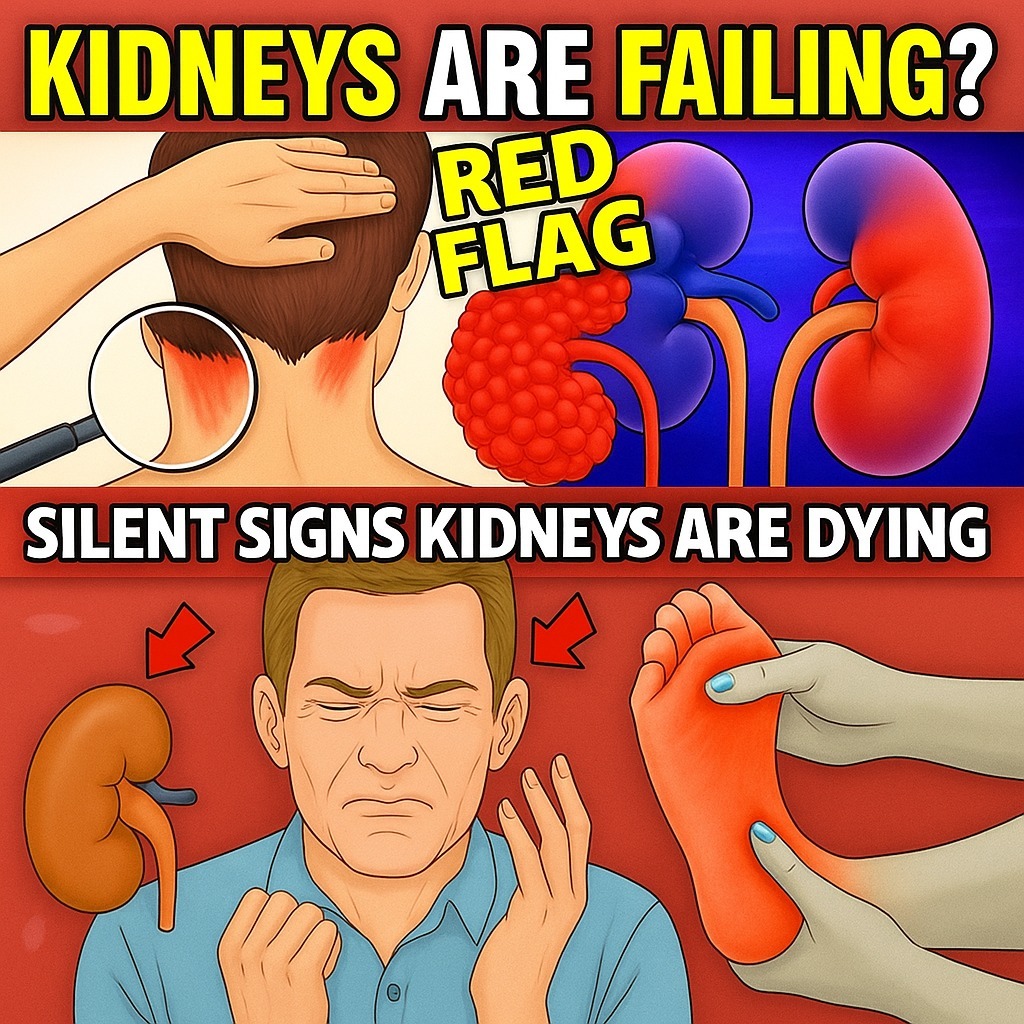
Your kidneys are two bean-shaped organs located just below your rib cage. They work 24/7 to filter waste and excess fluids from your blood, regulate blood pressure, balance electrolytes, and support red blood cell production. When they begin to fail, the signs are often subtle and easy to ignore. Unfortunately, by the time symptoms become obvious, significant damage may already have occurred.
🚀 Make Money Online – Up to $50 Per Day!
Chronic kidney disease (CKD) affects millions of people worldwide, and many don’t realize they have it until it reaches advanced stages. Recognizing the early, silent signs can make a life-saving difference.
Here are 10 warning signs your kidneys may be struggling.
1. Persistent Fatigue and Low Energy
One of the earliest and most overlooked symptoms of kidney dysfunction is constant tiredness. Healthy kidneys produce a hormone called erythropoietin, which helps your body create red blood cells. When kidney function declines, red blood cell production drops, leading to anemia.
This can leave you feeling weak, drained, and unable to focus—even after a full night’s sleep.
2. Changes in Urination
Since your kidneys produce urine, any changes in bathroom habits can signal trouble. Watch for:
-
Urinating more frequently, especially at night
-
Producing less urine than usual
-
Foamy or bubbly urine
-
Dark, cloudy, or bloody urine
Foamy urine may indicate excess protein in the urine, an early sign of kidney damage.
3. Swelling in Feet, Ankles, or Face
When kidneys fail to remove excess fluid, it builds up in the body. This often appears as swelling (edema) in the lower legs, ankles, feet, hands, or even around the eyes.
If you notice persistent puffiness that doesn’t improve with rest, it could be related to kidney function.
4. Shortness of Breath
Kidney problems can cause fluid to accumulate in the lungs, making it difficult to breathe. Additionally, anemia caused by kidney disease reduces oxygen delivery throughout the body.
If you find yourself breathless during simple activities, it may be time for a medical evaluation.
5. High Blood Pressure
Your kidneys play a major role in regulating blood pressure. When they are damaged, blood pressure often rises. At the same time, uncontrolled high blood pressure can further damage the kidneys—creating a dangerous cycle.
If your blood pressure readings are consistently elevated, it’s important to check kidney health as well.
6. Loss of Appetite and Nausea
As waste products accumulate in the bloodstream, a condition known as uremia can develop. This toxic buildup may cause:
-
Poor appetite
-
Nausea
-
Vomiting
-
Metallic taste in the mouth
Many people dismiss these symptoms as digestive issues when they may actually stem from kidney dysfunction.
7. Itchy and Dry Skin
Healthy kidneys maintain the right balance of minerals and nutrients in your blood. When this balance is disrupted, it can lead to dry, irritated, and itchy skin.
Persistent itching without an obvious skin condition may be linked to underlying kidney issues.
8. Muscle Cramps
Electrolyte imbalances—especially low calcium or abnormal phosphorus levels—can cause frequent muscle cramps. These may occur in the legs, especially at night.
If cramps are happening regularly and you are well-hydrated, kidney function should be evaluated.
9. Trouble Concentrating
A buildup of toxins in the blood can affect brain function. Combined with anemia, this may cause:
-
Difficulty focusing
-
Memory problems
-
Dizziness
-
Mental fog
These symptoms are often mistaken for stress or aging, but they may signal something more serious.
10. Chest Pain or Pressure
In advanced cases, fluid can build up around the lining of the heart, causing chest discomfort. This symptom requires immediate medical attention, as it may indicate severe kidney impairment.
Who Is at Higher Risk?
Certain groups are more vulnerable to kidney disease, including people with:
-
Diabetes
-
High blood pressure
-
Heart disease
-
A family history of kidney problems
-
Obesity
-
Long-term use of certain pain medications
If you fall into any of these categories, routine blood and urine tests are especially important.
How to Protect Your Kidneys
The good news is that early detection can slow or even prevent progression. Here are key steps to protect kidney health:
-
Control blood sugar and blood pressure
-
Stay hydrated
-
Reduce salt intake
-
Avoid excessive use of over-the-counter painkillers
-
Maintain a healthy weight
-
Get regular medical checkups
Simple blood tests (like creatinine levels and estimated glomerular filtration rate) and urine tests can detect kidney issues long before symptoms become severe.
When to See a Doctor
If you experience several of these symptoms together—or if they persist for more than a few weeks—it’s important to seek medical advice. Kidney disease is often called a “silent” condition because early warning signs are easy to miss.
The earlier it’s detected, the more treatment options are available to protect your health and quality of life.
Final Thoughts
Your kidneys quietly perform essential functions every single day. Because the symptoms of kidney failure can be subtle and gradual, many people overlook the warning signs until the condition becomes serious.
Listening to your body, monitoring changes, and getting regular health screenings can make all the difference. Early action doesn’t just protect your kidneys—it protects your heart, brain, and overall well-being.
