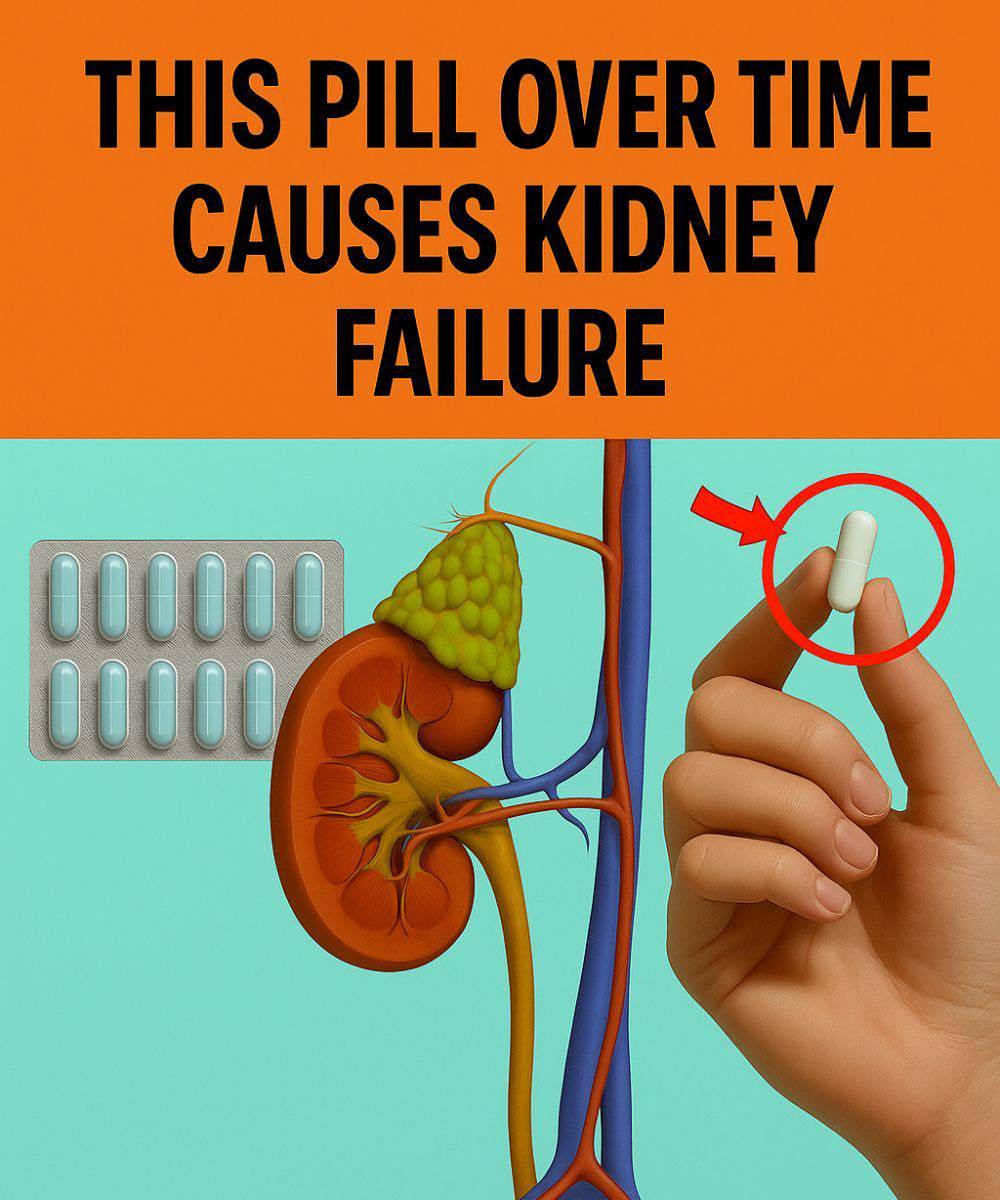
Your kidneys are two small, bean-shaped organs that quietly perform some of the most important jobs in your body. Every day, they filter waste and excess fluids from your blood, balance electrolytes, regulate blood pressure, support red blood cell production, and help maintain bone health. Because they work silently in the background, kidney problems often go unnoticed until significant damage has already occurred.
🚀 Make Money Online – Up to $50 Per Day!
One major but often overlooked risk to kidney health is medication use. Certain drugs—especially when taken frequently, in high doses, or without medical supervision—can negatively affect kidney function. If you regularly take over-the-counter or prescription medications, it may be time to have a conversation with your doctor.
Common Medications That May Affect the Kidneys
1. Nonsteroidal Anti-Inflammatory Drugs (NSAIDs)
4
Drugs such as ibuprofen, naproxen, and diclofenac are widely used for pain relief, inflammation, and fever. While effective, long-term or excessive use can reduce blood flow to the kidneys. This may lead to acute kidney injury or gradually worsen existing kidney disease.
People at higher risk include:
Adults over 60
Individuals with high blood pressure
Those with diabetes
Anyone with existing kidney disease
Taking NSAIDs occasionally and as directed is generally safe for healthy individuals. However, daily or chronic use should always be discussed with a healthcare provider.
2. Certain Antibiotics
4
Some antibiotics are processed through the kidneys and may strain them, particularly if doses are not adjusted properly. In rare cases, they can cause inflammation of kidney tissue (interstitial nephritis).
This risk increases when:
You are dehydrated
You already have kidney problems
You combine antibiotics with other kidney-stressing medications
Never stop prescribed antibiotics abruptly, but always inform your doctor if you experience symptoms like reduced urination, swelling, or unusual fatigue during treatment.
3. Proton Pump Inhibitors (PPIs)
4
Medications used to treat acid reflux and heartburn—such as omeprazole and other proton pump inhibitors—have been linked in some studies to an increased risk of chronic kidney disease when used long term. While these medications are helpful and often necessary, extended use without medical monitoring may carry risks.
If you have been taking reflux medication daily for months or years, it may be worth discussing whether lifestyle adjustments or alternative treatments are possible.
4. Herbal Supplements and “Natural” Remedies
4
Many people assume that natural means safe—but this is
Warning Signs Your Kidneys May Be Struggling
Kidney damage often develops silently. However, some warning signs include:
Swelling in the legs, ankles, or face
Foamy or decreased urine
Persistent fatigue
Shortness of breath
Nausea
High blood pressure that is difficult to control
If you notice any of these symptoms—especially while taking medication—seek medical advice promptly.
Why Kidney Health Matters More Than You Think
When kidneys do not function properly, waste builds up in the body. Over time, untreated kidney disease can lead to serious complications, including:
Heart disease
Stroke
Anemia
Bone weakness
Fluid buildup in the lungs
Advanced kidney failure may require dialysis or transplantation. Prevention and early detection are key.
Who Should Be Especially Careful?
Certain groups should be particularly cautious with medications:
Adults over 60
People with diabetes
Those with high blood pressure
Individuals with heart disease
Anyone with a family history of kidney disease
If you fall into one of these categories, regular kidney function testing through simple blood and urine tests is strongly recommended.
How to Protect Your Kidneys
Here are practical steps to reduce medication-related kidney risk:
Never exceed recommended doses.
Avoid mixing medications without guidance.
Stay well hydrated, especially during illness.
Have regular kidney function tests if you use long-term medications.
Discuss alternatives for chronic pain or acid reflux management.
Inform every healthcare provider about all medications and supplements you take.
Small changes can significantly reduce long-term risks.
The Bottom Line
Medications can be life-saving and essential—but they are not without potential side effects. If you regularly take pain relievers, antibiotics, reflux medications, or herbal supplements, they could be affecting your kidneys without obvious symptoms.
The solution is not panic—it is awareness.
Do not stop prescribed medications suddenly. Instead, schedule a conversation with your healthcare provider. A simple blood test can assess kidney function and provide peace of mind.
Your kidneys work tirelessly for you every single day. Protecting them means being informed, cautious, and proactive about what you put into your body.
