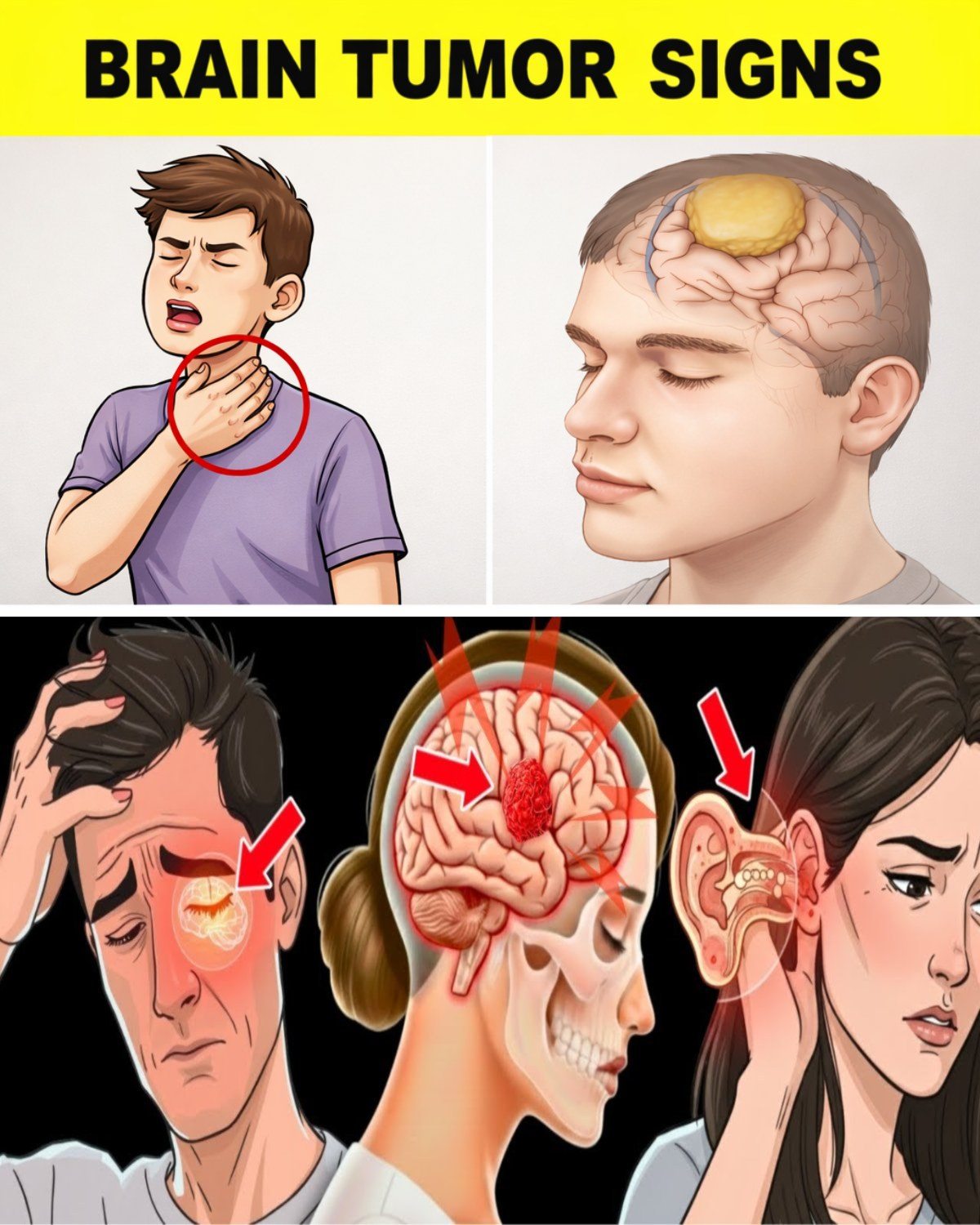
Hearing the words “brain tumor” can be frightening. But knowledge is powerful. Recognizing early warning signs and seeking medical advice promptly can make a significant difference in treatment outcomes. A brain tumor is an abnormal growth of cells in or around the brain. Tumors can be benign (non-cancerous) or malignant (cancerous), and symptoms often depend on the tumor’s size, type, and location.
🚀 Make Money Online – Up to $50 Per Day!
According to organizations like the American Brain Tumor Association and the National Cancer Institute, early detection and medical evaluation are critical. While many of the symptoms listed below can be caused by less serious conditions, persistent or worsening signs should never be ignored.
Here are 10 early signs you should pay attention to:
-
Persistent Headaches
Frequent headaches that feel different from your usual pattern can be a warning sign. Brain tumor headaches are often worse in the morning, may wake you from sleep, or intensify with coughing, bending, or physical activity. They may gradually increase in severity over time.
-
Seizures
Experiencing a seizure for the first time, especially as an adult, is a serious symptom that requires immediate medical attention. Seizures can involve full-body convulsions or subtle episodes such as staring spells, unusual sensations, or sudden confusion.
-
Vision Problems
Blurred vision, double vision, or a loss of peripheral vision can occur if a tumor presses on areas of the brain that control sight. Some people describe “tunnel vision” or difficulty reading and focusing.
-
Unexplained Nausea and Vomiting
Ongoing nausea or vomiting, particularly in the morning without another clear cause like a stomach illness, can be linked to increased pressure inside the skull.
-
Balance and Coordination Issues
Difficulty walking, clumsiness, or trouble with fine motor skills such as buttoning a shirt may indicate a tumor affecting the cerebellum, the part of the brain responsible for coordination and balance.
-
Changes in Speech
Slurred speech, trouble finding words, or difficulty understanding conversations can occur when tumors affect language-processing areas of the brain.
-
Personality or Mood Changes
Subtle personality shifts can be one of the earliest signs. A normally calm person may become irritable, withdrawn, or unusually emotional. Family members often notice these changes before the individual does.
-
Memory Problems
Increasing forgetfulness, confusion, or trouble concentrating may be linked to tumors affecting cognitive areas of the brain. These symptoms are sometimes mistaken for stress or aging.
-
Weakness or Numbness
Sudden weakness in one arm, leg, or one side of the body may signal a neurological issue. Numbness or tingling that doesn’t go away should also be evaluated promptly.
-
Hearing Changes
Hearing loss, ringing in the ears (tinnitus), or balance-related dizziness could indicate a tumor affecting nerves connected to hearing and balance.
Why Early Detection Matters
Not all brain tumors are cancerous, and many are treatable, especially when caught early. Treatments may include surgery, radiation therapy, chemotherapy, or targeted therapies. Advances in medical imaging and neurosurgery have significantly improved survival rates and quality of life for many patients.
It’s important to understand that these symptoms are common to many other conditions, including migraines, infections, anxiety, and hormonal changes. Having one or even several of these signs does not automatically mean you have a brain tumor. However, if symptoms are persistent, worsening, or unusual for you, consult a healthcare professional.
When to Seek Immediate Help
Seek urgent medical care if you experience:
-
A first-time seizure
-
Sudden severe headache unlike any you’ve had before
-
Rapid vision loss
-
Sudden weakness or difficulty speaking
Trust your instincts. If something feels wrong, it’s better to get checked.
A Final Word
Awareness can truly save lives. Paying attention to your body and acting early can make a crucial difference. Regular checkups, discussing unusual symptoms with your doctor, and advocating for your health are powerful steps toward early diagnosis and effective treatment.
