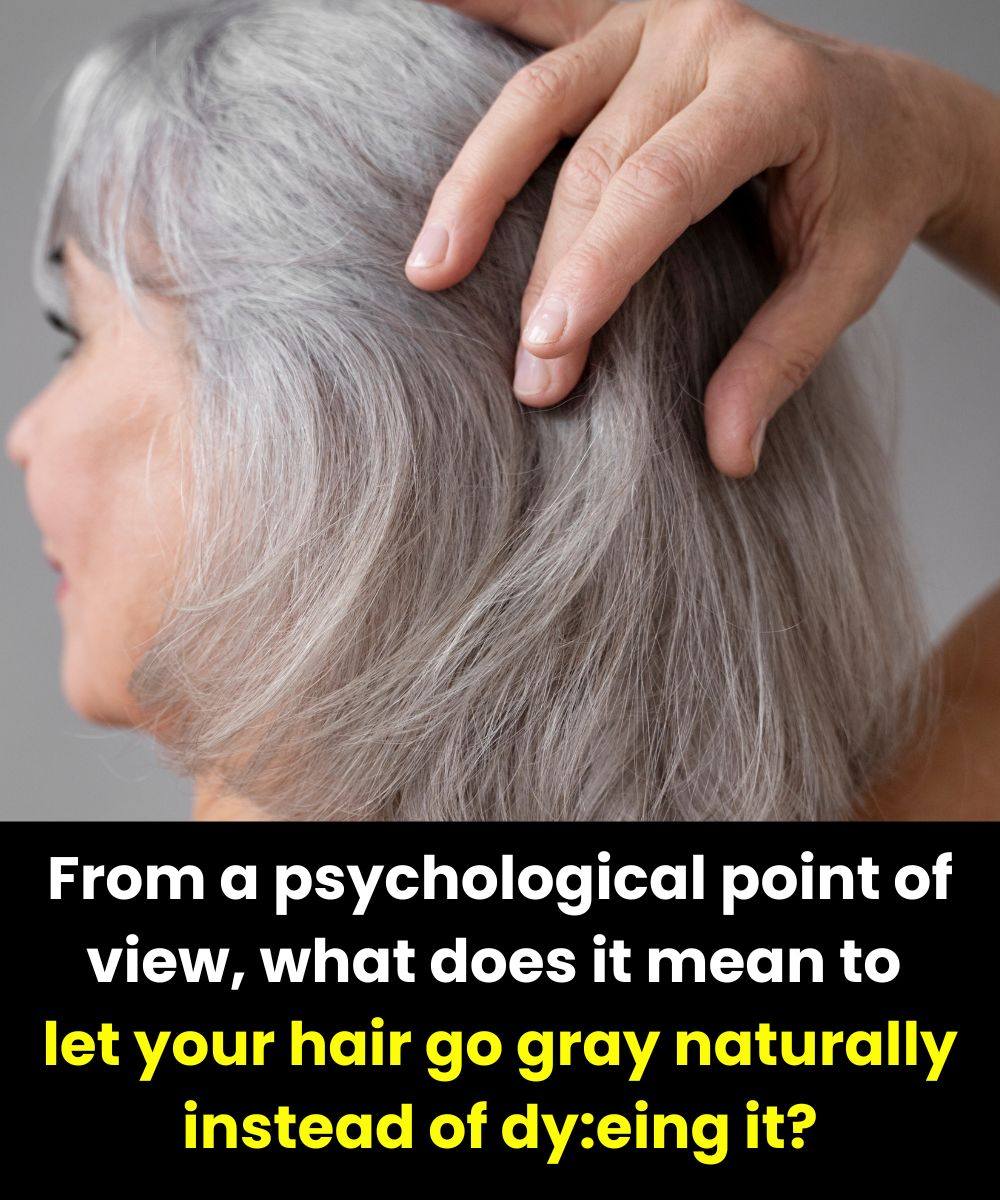
Letting your hair go gray is more than a beauty decision—it is a personal statement, a lifestyle shift, and often a powerful act of self-acceptance. For decades, gray hair was seen as something to hide, cover, or “fix.” Today, more people are choosing to embrace their natural silver strands, redefining what aging and beauty look like in modern society. But what does it truly mean to let your hair go gray?
🚀 Make Money Online – Up to $50 Per Day!
The Science Behind Gray Hair
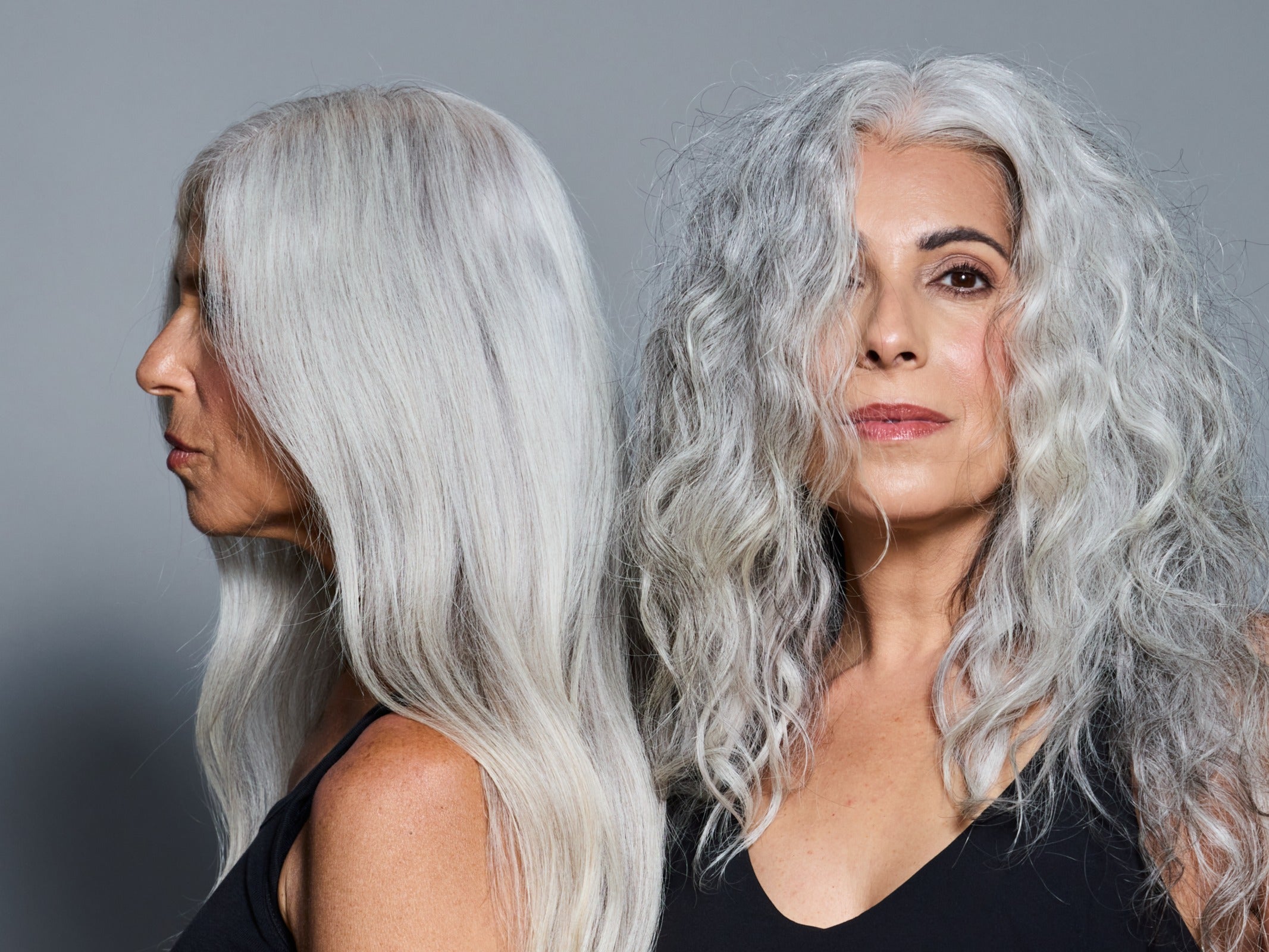
Gray hair occurs when hair follicles gradually produce less melanin, the pigment responsible for hair color. As we age, the cells that create melanin (melanocytes) slow down and eventually stop functioning. Without pigment, hair grows in transparent or white, which appears gray when mixed with darker strands.
Genetics plays the biggest role in determining when this process begins. Some people notice gray hairs in their twenties, while others may not see any until their forties or fifties. Stress, nutritional deficiencies, and certain medical conditions can influence timing, but heredity is the strongest factor.
Letting your hair go gray means allowing this natural biological process to happen without artificial coloring. Instead of masking the change, you welcome it.
A Cultural Shift in Beauty Standards
For much of the 20th century, youthfulness was closely linked to beauty, especially for women. Gray hair was often associated with aging, decline, or being “past your prime.” Hair dye became a multi-billion-dollar industry, built on the promise of maintaining a youthful appearance.
However, cultural attitudes have evolved. Public figures like Jamie Lee Curtis, Helen Mirren, and Anderson Cooper have confidently embraced their gray hair, helping normalize and even glamorize silver strands. Social media movements such as #SilverHair and #GrayIsBeautiful have encouraged people worldwide to share their transition journeys.
Letting your hair go gray today often symbolizes confidence, authenticity, and resistance to outdated beauty norms. It reflects a growing belief that aging is not something to hide but something to honor.
The Emotional Journey
Deciding to stop coloring your hair can feel emotional. For many, hair color has been part of their identity for years—sometimes decades. Transitioning to gray may bring feelings of vulnerability at first.
There is often a “growing-out” phase where natural gray roots contrast with dyed lengths. This stage can test patience and confidence. Some people choose to cut their hair short to speed up the transition, while others blend colors gradually with highlights or lowlights.
Emotionally, letting your hair go gray can represent:
-
Acceptance of aging
-
Letting go of societal pressure
-
A desire for simplicity
-
Reclaiming natural beauty
-
Personal empowerment
Many individuals report feeling liberated once they fully transition. They no longer worry about root touch-ups every few weeks or scheduling salon appointments to maintain color. There is freedom in authenticity.
Practical Benefits
Beyond symbolism, there are practical reasons people choose to go gray.
1. Healthier Hair
Frequent coloring can weaken hair, causing dryness and breakage. By stopping chemical treatments, hair often becomes stronger and shinier over time.
2. Cost Savings
Salon visits, professional color treatments, and at-home dye kits can be expensive. Embracing gray significantly reduces these ongoing costs.
3. Time Freedom
No more rushing to cover visible roots. Letting your hair grow naturally simplifies your beauty routine.
However, gray hair does require care. Silver strands can become coarse or yellowed. Using purple shampoo helps maintain brightness, and deep conditioning treatments keep hair soft and manageable.
Challenging Ageism
Letting your hair go gray can also challenge age-related stereotypes. In professional environments, gray hair has historically been perceived differently depending on gender. Men with gray hair are often described as “distinguished,” while women may face unfair bias.
By embracing gray, many women are pushing back against this double standard. They are redefining what leadership, competence, and attractiveness look like at every age.
Gray hair can signal wisdom, experience, and maturity. Instead of hiding these qualities, embracing silver strands highlights them.
A Statement of Authenticity
In a world filled with filters, enhancements, and cosmetic procedures, choosing to let your hair go gray can feel refreshingly real. It says:
“I accept myself as I am.”
Authenticity has become a valued trait in modern society. Whether in personal relationships or professional spaces, people are drawn to those who appear genuine. Natural gray hair can reflect that inner confidence outwardly.
The Transition Process
If someone decides to let their hair go gray, there are different approaches:
-
Cold Turkey: Stop coloring and let natural roots grow out.
-
Gradual Blending: Use highlights or toner to soften the line between dyed and gray hair.
-
The Big Chop: Cut off dyed ends and start fresh.
The transition can take several months to over a year, depending on hair length. Patience is essential. Many find documenting the journey with photos helps them see progress and stay motivated.
Redefining Beauty at Every Age
Ultimately, letting your hair go gray is about redefining beauty on your own terms. It does not mean giving up on style or self-care. In fact, many people discover new fashion choices, makeup styles, and clothing colors that complement their silver hair beautifully.
Gray hair can look striking, elegant, modern, edgy, or sophisticated. It is not a sign of fading—it can be a sign of evolving.
Final Thoughts
Letting your hair go gray is a deeply personal choice. For some, it represents freedom from constant maintenance. For others, it symbolizes self-love and acceptance. It can challenge cultural norms, celebrate aging, and encourage authenticity.
In the end, gray hair is not about losing youth—it is about gaining confidence. It is about recognizing that beauty does not disappear with time; it transforms. And sometimes, the most powerful statement you can make is simply allowing yourself to be natural, exactly as you are.
