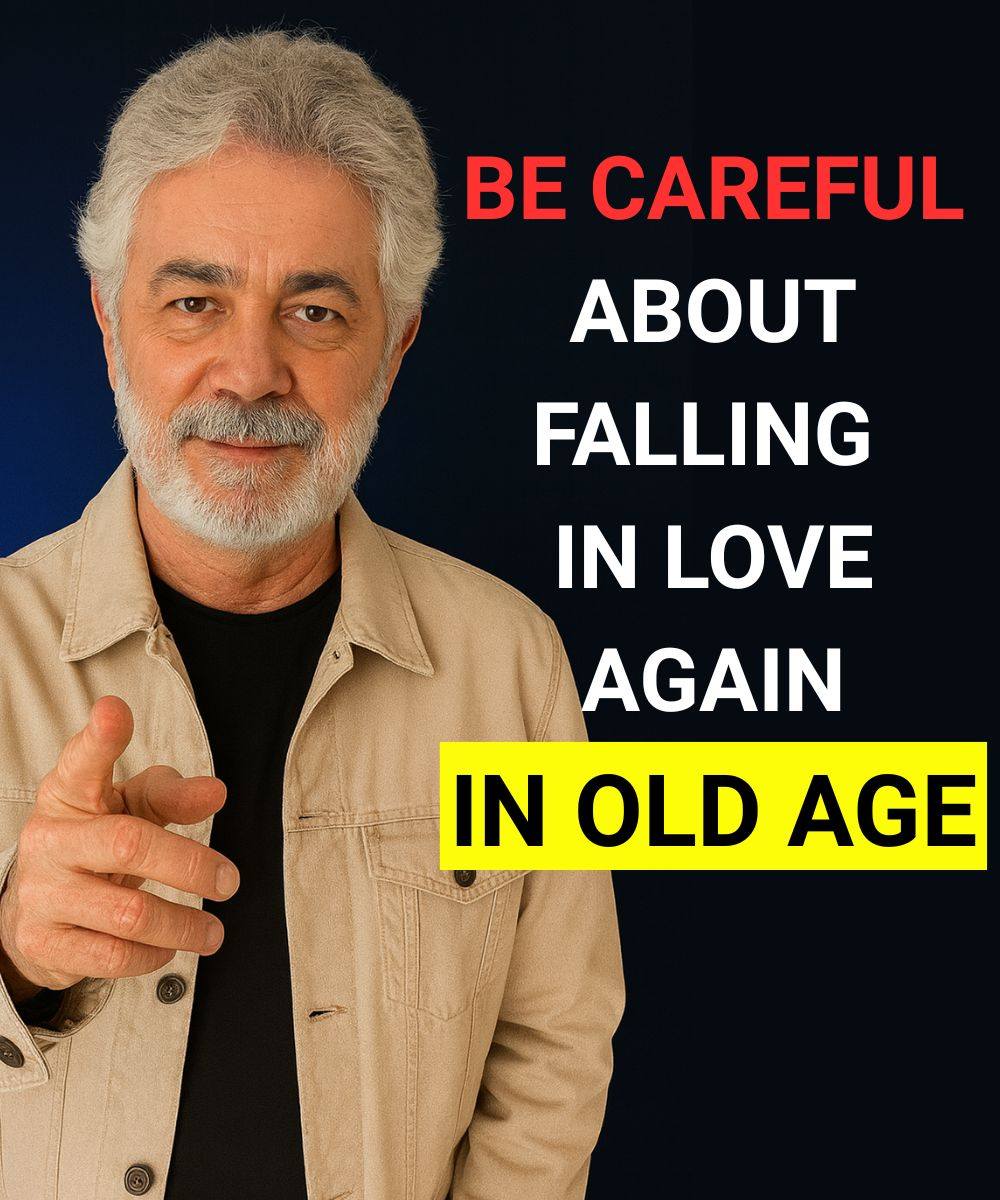
Falling in love is one of life’s most beautiful experiences. It brings excitement, hope, companionship, and renewed energy. But when love comes later in life, it carries unique emotional, financial, and social considerations. While romance in old age can be deeply fulfilling, it also requires wisdom, clarity, and caution.
🚀 Make Money Online – Up to $50 Per Day!
If you are considering opening your heart again after 50, 60, or even 70, here is a detailed guide to help you move forward safely and confidently.
1. Emotional Vulnerability Is Stronger Than You Think
As we grow older, many of us have experienced loss—whether through divorce, separation, or the passing of a spouse. Loneliness can become a powerful emotional force. When someone new offers attention, affection, and companionship, it can feel like a miracle.
However, emotional vulnerability increases with age. After years without intimacy, even small gestures can feel overwhelming. This may cause you to:
-
Ignore red flags
-
Move too quickly
-
Overlook incompatibilities
-
Trust too easily
Take time to understand whether your feelings are based on genuine compatibility or simply relief from loneliness.
Love at any age deserves patience.
2. Financial Protection Is Essential
Unfortunately, financial scams targeting older adults are increasing worldwide. Some individuals intentionally seek relationships with seniors for money, gifts, or inheritance benefits.
Before merging finances or making financial commitments:
-
Avoid giving large loans or gifts early in the relationship
-
Never share banking details or passwords
-
Be cautious about co-signing loans
-
Consult a financial advisor before changing wills or beneficiaries
Even if the relationship feels sincere, financial independence protects both partners and prevents future misunderstandings.
True love will respect boundaries.
3. Family Dynamics Can Become Complicated
When love enters later in life, family reactions can vary. Adult children may feel protective, suspicious, or even threatened—especially if inheritance or property is involved.
Common concerns include:
-
Fear of manipulation
-
Worries about financial exploitation
-
Emotional attachment to the memory of a deceased parent
Open communication is critical. Introduce your partner gradually. Allow family members time to adjust. Transparency reduces tension and builds trust.
Remember, your happiness matters—but so do healthy family relationships.
4. Health Compatibility Matters
At an older age, health becomes an important factor in any serious relationship. Chronic illnesses, mobility limitations, or caregiving needs can influence the dynamic significantly.
Ask yourself:
-
Are we physically and emotionally prepared to support each other?
-
Are expectations realistic?
-
Are we clear about future care responsibilities?
Discuss health history honestly. It may feel uncomfortable, but openness now prevents conflict later.
Love is not just romance—it is also responsibility.
5. Avoid Rushing Commitment
Older adults sometimes feel time pressure. There may be a sense of “not wanting to waste time” or fear that opportunities won’t come again.
But rushing into:
-
Marriage
-
Selling property
-
Moving in immediately
-
Changing legal documents
can create regret.
Healthy relationships grow through shared experiences. Travel together. Meet each other’s friends. Handle small conflicts. See how your partner responds to stress.
Time reveals character.
6. Recognize the Difference Between Companionship and Compatibility
Loneliness can make companionship feel like love. But companionship alone is not enough for a lasting partnership.
Ask important questions:
-
Do we share similar values?
-
Do we respect each other’s independence?
-
Can we communicate calmly during disagreements?
-
Are life goals aligned?
Compatibility includes emotional maturity, mutual respect, and shared expectations—not just chemistry.
7. Maintain Your Independence
One common mistake in later-life relationships is losing independence too quickly. After years of living alone, it’s easy to become emotionally dependent on someone who brings joy back into your life.
Keep:
-
Your friendships
-
Your hobbies
-
Your routines
-
Your financial autonomy
A healthy relationship enhances your life—it does not replace it.
8. Watch for Red Flags
Regardless of age, some warning signs should never be ignored:
-
Pressuring you for money
-
Isolating you from family or friends
-
Moving the relationship forward too fast
-
Avoiding transparency about their past
-
Inconsistent stories
Trust your instincts. If something feels off, pause. Consult a trusted friend or advisor.
Love should bring peace, not anxiety.
9. Understand That Love in Old Age Can Be Beautiful
While caution is important, do not let fear prevent you from experiencing happiness. Research consistently shows that companionship improves mental health, reduces depression, and even supports physical well-being in older adults.
Benefits of healthy later-life relationships include:
-
Emotional stability
-
Increased life satisfaction
-
Reduced stress
-
Stronger immune function
-
Renewed sense of purpose
Love does not have an expiration date.
10. Move Forward With Wisdom, Not Fear
The goal is not to avoid love—it is to approach it with awareness.
Before fully committing, take time to reflect:
-
Are you emotionally healed from the past?
-
Are you choosing from strength, not loneliness?
-
Is this relationship balanced and respectful?
Seek legal and financial advice if marriage is involved. Keep communication honest. Move at a comfortable pace.
Love in old age should feel safe, steady, and mutual.
Final Thoughts
Falling in love again later in life can be one of the most rewarding chapters you will ever write. It brings warmth, companionship, and renewed hope. But wisdom must guide the heart.
Be open—but be observant.
Be hopeful—but be practical.
Be loving—but protect your peace.
When approached thoughtfully, love in old age is not something to fear. It is something to cherish—with maturity, clarity, and courage.
