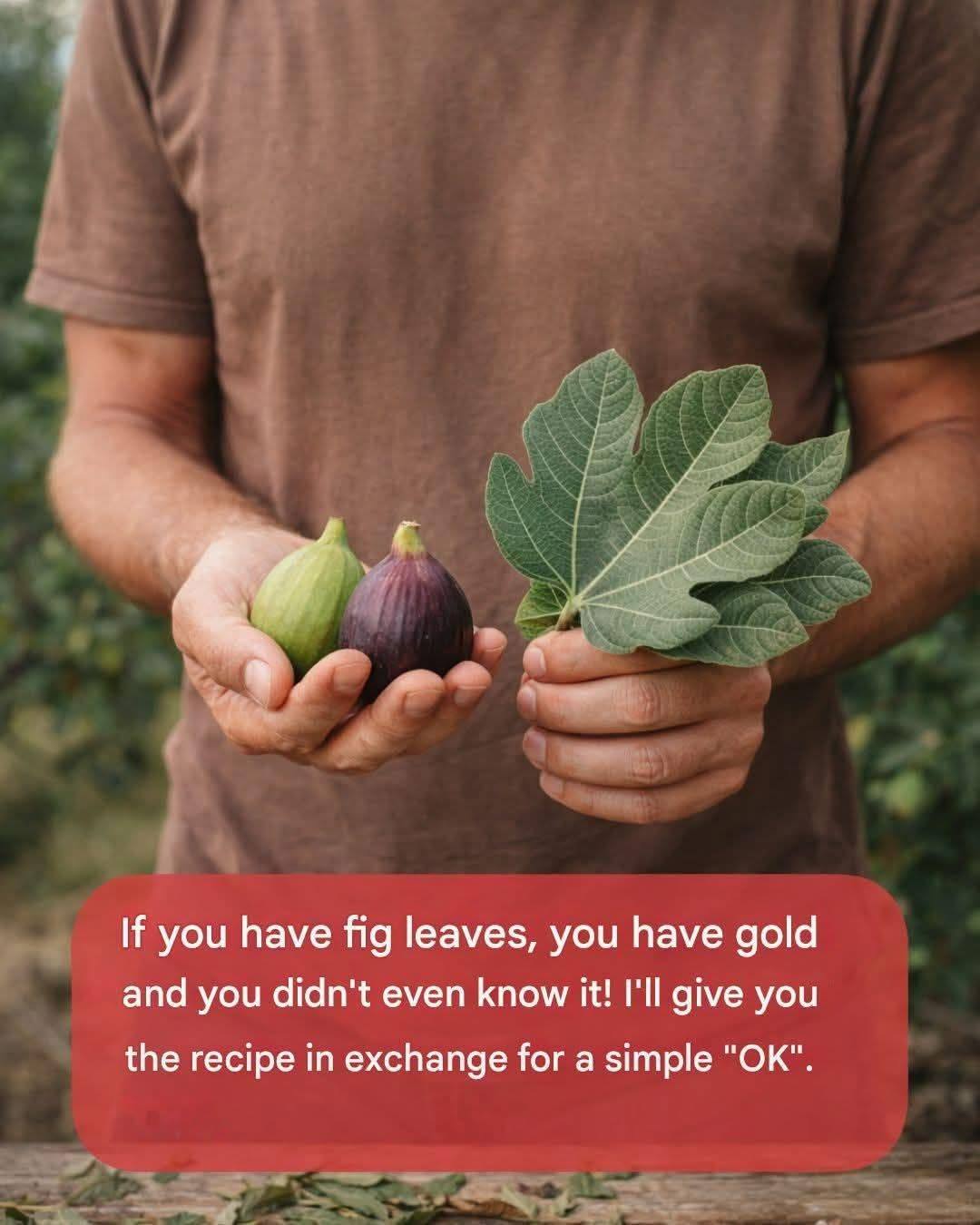
When most people think of figs, they picture the sweet, honey-like fruit enjoyed fresh or dried. But long before the fruit became famous, the leaves of the fig tree (Ficus carica) were quietly valued in traditional kitchens and herbal practices around the world. From the Mediterranean to parts of Asia, fig leaves have been used in teas, wraps, and home remedies for centuries.
🚀 Make Money Online – Up to $50 Per Day!
Today, these large, fragrant leaves are making a comeback as people rediscover their impressive nutritional profile and culinary potential. Let’s explore the hidden benefits of fig leaves and how you can prepare a simple fig leaf tea at home.
Why Fig Leaves Are So Special
Fig leaves are packed with plant compounds that may support overall wellness. While they shouldn’t replace medical treatment, they can be a nourishing addition to a balanced lifestyle.
1. May Support Healthy Blood Sugar
One of the most talked-about benefits of fig leaves is their potential role in supporting stable blood sugar levels. Traditionally, fig leaf tea has been consumed after meals. Some early research suggests that compounds in fig leaves may help improve insulin sensitivity.
If you’re mindful about managing sugar intake, adding fig leaf tea alongside a balanced diet may be helpful — always consult your healthcare provider if you have medical conditions.
2. Rich in Antioxidants
Fig leaves contain natural antioxidants, including flavonoids and phenolic compounds. Antioxidants help protect your cells from oxidative stress, which plays a role in aging and many chronic conditions. Drinking herbal infusions made from fig leaves may provide a gentle antioxidant boost.
3. May Support Heart Health
Traditional herbal practices have linked fig leaves with improved circulation and heart wellness. The leaves may help support healthy cholesterol levels when combined with a nutritious diet rich in fiber and healthy fats.
4. Digestive Support
Fig leaves have been used traditionally to calm digestive discomfort. Their mild, soothing properties may support healthy digestion and reduce occasional bloating. Many people enjoy fig leaf tea after heavier meals for this reason.
5. Skin and Topical Uses
In some cultures, fig leaf extracts have been applied to the skin. The leaves contain natural compounds that may support skin clarity. However, fresh fig leaves can sometimes irritate sensitive skin, so caution and patch testing are important.
Culinary Uses of Fig Leaves
Beyond wellness, fig leaves are surprisingly versatile in the kitchen. They have a subtle coconut-vanilla aroma when heated, making them popular for wrapping foods before grilling or baking.
You can:
-
Wrap fish or chicken in fig leaves before grilling
-
Infuse milk or cream with fig leaves for desserts
-
Use them to flavor rice or custards
-
Dry them for herbal tea
The aroma is delicate but distinct — slightly nutty, slightly sweet.
Fig Leaf Tea Recipe (Simple & Traditional)
Here’s an easy way to enjoy fig leaves at home.
Ingredients:
-
3–4 fresh fig leaves (or 1 tablespoon dried fig leaves)
-
2 cups water
-
Honey or lemon (optional)
Instructions:
-
Rinse the fig leaves thoroughly to remove dust.
-
Chop the leaves into smaller pieces.
-
Bring 2 cups of water to a gentle boil.
-
Add the chopped leaves and reduce to a simmer.
-
Simmer for 10–15 minutes.
-
Remove from heat and strain.
-
Add honey or lemon if desired.
Drink warm once daily.
Important Safety Notes
While fig leaves are natural, that doesn’t mean they are suitable for everyone. Keep these points in mind:
-
Pregnant or breastfeeding individuals should consult a healthcare professional.
-
People taking blood sugar medication should monitor levels carefully.
-
Always use leaves from a pesticide-free tree.
-
Avoid using leaves that appear damaged or diseased.
If irritation occurs, discontinue use.
A Leaf Worth Rediscovering
The fig tree has symbolized abundance and healing across cultures for thousands of years. While the fruit often steals the spotlight, the leaves deserve recognition too. Whether brewed into a calming tea or used to flavor dishes, fig leaves offer a unique blend of tradition, nutrition, and aroma.
