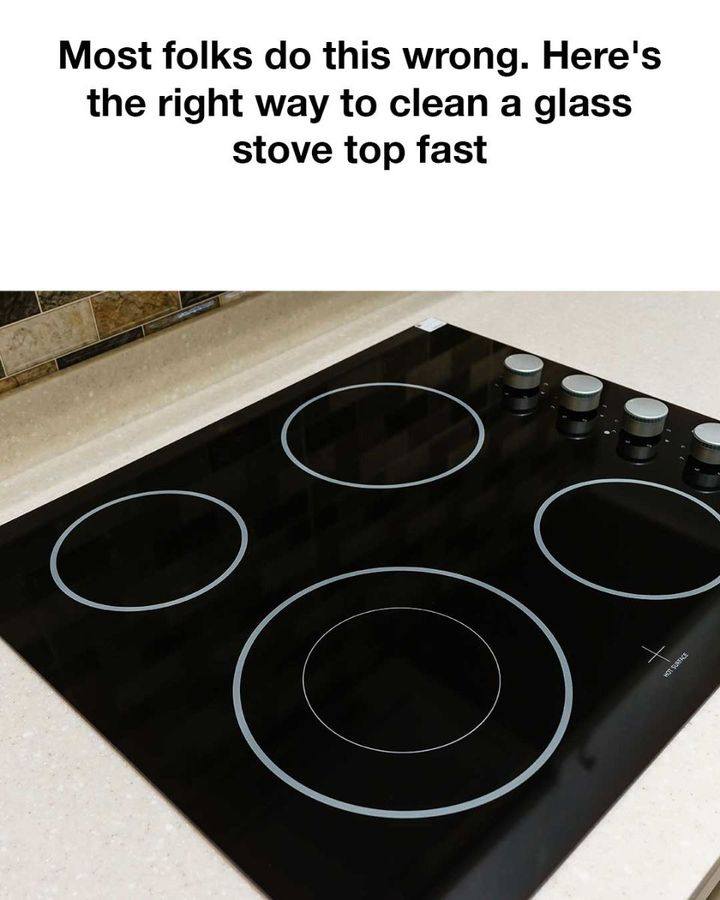
Most people think cleaning a glass stove top requires heavy scrubbing, harsh chemicals, or expensive specialty products. That’s where they go wrong. Glass cooktops are sleek, modern, and beautiful—but they need the right method to stay that way. Scrubbing too hard or using the wrong tools can leave scratches, streaks, and permanent damage.
🚀 Make Money Online – Up to $50 Per Day!
If you’ve ever struggled with burned-on spills, cloudy residue, or stubborn grease, you’re not alone. The good news? There’s a fast, simple, and safe way to clean your glass stove top so it looks brand new again—without hours of effort.
Here’s the right way to do it.
Why Most People Clean It Wrong
The biggest mistakes people make include:
-
Using steel wool or abrasive scrubbers
-
Spraying all-purpose cleaner directly on hot glass
-
Scraping aggressively with sharp metal tools
-
Letting spills sit for days before cleaning
-
Using too much product and leaving streaks
Glass cooktops may look tough, but they scratch easily. Once scratched, there’s no easy fix. That’s why technique matters more than force.
Step 1: Make Sure the Surface Is Completely Cool
This step is critical. Never clean a hot glass stove top. Not only is it unsafe, but cleaning products can bake onto the surface and create streaks or haze.
Wait until the surface is fully cool to the touch before starting.
Step 2: Wipe Away Loose Debris First
Before adding any cleaner, use a dry microfiber cloth or soft paper towel to remove crumbs and loose particles. This prevents you from rubbing grit across the surface, which can cause micro-scratches.
Gentle pressure is enough here.
Step 3: Use the Baking Soda and Vinegar Method
This is the method that surprises most people—and it works beautifully.
What you need:
-
Baking soda
-
White vinegar
-
Warm water
-
Microfiber cloth
-
Soft sponge or non-scratch scrub pad
-
(Optional) Razor scraper made for glass cooktops
The Process:
-
Lightly sprinkle baking soda over the stained areas.
-
Fill a spray bottle with white vinegar and lightly spray over the baking soda.
-
You’ll see a gentle fizzing reaction—that’s normal.
-
Lay a warm, damp towel over the surface and let it sit for 10–15 minutes.
This step softens burned-on food without scrubbing. The baking soda acts as a mild abrasive, and the vinegar helps break down grease and residue.
After 15 minutes, remove the towel and gently wipe the surface using a soft sponge. Most stains will lift easily.
Step 4: Use a Proper Scraper (If Needed)
For stubborn burned spots, use a razor scraper designed specifically for glass cooktops.
Important tips:
-
Hold it at a 45-degree angle
-
Keep the blade flat against the surface
-
Use gentle pressure
-
Never jab or dig into the glass
When used correctly, this tool removes tough residue safely without scratching.
This step is often skipped—but it’s the professional secret to getting that flawless finish.
Step 5: Final Polish for a Streak-Free Shine
Once the surface is clean, spray a small amount of vinegar or glass cooktop cleaner onto a microfiber cloth and buff the surface in circular motions.
Avoid spraying directly onto the cooktop. Always spray onto the cloth first.
Buff until the surface shines. This final polish removes any haze and leaves a smooth, glossy finish.
What to Avoid at All Costs
To protect your cooktop long-term, never use:
-
Steel wool
-
Magic erasers (too abrasive for frequent use)
-
Powdered scouring cleaners
-
Ammonia-based cleaners
-
Rough sponges
-
Dirty cloths with trapped grit
Even small scratches can make the surface look dull over time.
Daily Maintenance Trick (Takes 60 Seconds)
Here’s something most people don’t do—but should.
After cooking and once the stove cools, quickly wipe it down with a damp microfiber cloth. That’s it.
Spills are much easier to remove when they’re fresh. This simple daily habit prevents heavy buildup and deep stains.
It’s the difference between a 1-minute wipe-down and a 30-minute scrubbing session later.
How to Prevent Burned-On Messes
Prevention is easier than deep cleaning.
-
Wipe spills immediately after cooking
-
Avoid sliding heavy pots across the surface
-
Use flat-bottomed cookware only
-
Don’t use oversized pans that trap heat
-
Check pan bottoms for rough edges
Keeping pan bottoms clean also prevents transfer stains.
Removing White Cloudy Residue
Sometimes glass cooktops develop a cloudy or rainbow haze. This is usually mineral buildup or cleaner residue.
To fix it:
-
Apply white vinegar directly to the surface
-
Let sit for 5 minutes
-
Wipe with a microfiber cloth
-
Buff dry
For tougher haze, use a small amount of baking soda paste (baking soda + a few drops of water), gently rub, then wipe clean.
How Often Should You Deep Clean?
-
Light wipe-down: After every use
-
Deeper clean: Once a week
-
Scraper treatment: Only when needed
Consistency is key. The less buildup you allow, the easier cleaning becomes.
The Fastest Routine (Under 10 Minutes)
If you’re short on time, here’s the quick version:
-
Make sure stove is cool
-
Sprinkle baking soda
-
Spray vinegar
-
Cover with warm towel (10 minutes)
-
Wipe gently
-
Buff dry
That’s it. No harsh chemicals. No exhausting scrubbing.
The Result
When cleaned the right way, a glass stove top should:
-
Feel completely smooth
-
Shine without streaks
-
Show no cloudy patches
-
Have no rough burned spots
It should look almost like a black mirror.
And once you start using this method, you’ll wonder why you ever scrubbed so hard before.
Cleaning a glass stove top doesn’t require strength. It requires the right approach. Gentle products, proper tools, and patience do far more than force ever will.
