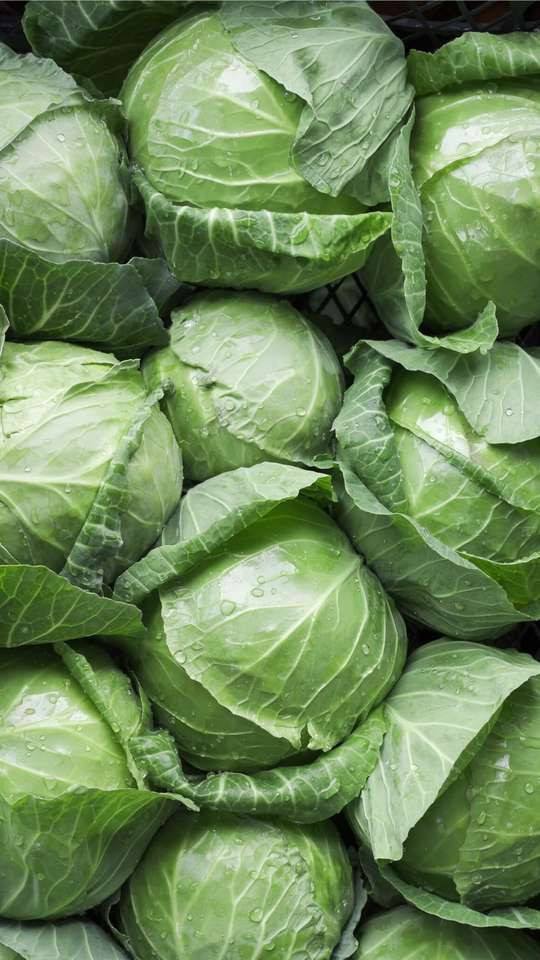
Cabbage may not be the flashiest vegetable in the produce aisle, but doctors and nutrition experts consistently agree that adding cabbage to your diet can have surprisingly powerful effects on your health. From improving digestion to supporting heart health and reducing inflammation, this humble vegetable deserves a permanent place in your kitchen.
🚀 Make Money Online – Up to $50 Per Day!
Let’s explore what happens to your body when you start eating cabbage regularly—and then I’ll share a delicious, easy recipe you can make at home.
What Happens When You Eat Cabbage Regularly?
1. Your Digestion Improves
Cabbage is rich in dietary fiber, which supports healthy digestion. Fiber helps regulate bowel movements, prevent constipation, and support beneficial gut bacteria. Red and green cabbage both contain natural compounds that nourish your digestive system and may help protect the stomach lining.
Some research has even suggested that cabbage juice may help soothe stomach discomfort due to its natural anti-inflammatory compounds.
2. Your Heart Gets Extra Protection
Cabbage contains antioxidants like anthocyanins (especially in red cabbage) and vitamin C. These compounds help reduce inflammation and oxidative stress, two major contributors to heart disease.
Fiber also plays a role in lowering LDL (“bad”) cholesterol levels. By eating cabbage regularly, you may help support healthy blood pressure and improved circulation.
3. Your Immune System Strengthens
Cabbage is packed with vitamin C—an essential nutrient for immune function. Vitamin C helps your body fight infections, supports skin health, and aids in collagen production.
During cold and flu season, adding cabbage soups, salads, or stir-fries to your meals can be a simple way to boost your daily vitamin intake.
4. Your Body Detoxifies Naturally
Cabbage contains sulfur compounds and glucosinolates. These plant compounds help support the liver’s natural detoxification processes. While the word “detox” is often overused, your liver already works hard to remove toxins—and cabbage provides nutrients that support that function.
5. You May Support Healthy Weight Management
Low in calories but high in fiber and water content, cabbage helps you feel full longer without consuming excess calories. That makes it an excellent food for those looking to manage weight in a healthy, balanced way.
A cup of raw cabbage contains very few calories but delivers significant nutrients—making it ideal for large, satisfying meals like salads and soups.
Delicious Garlic Butter Cabbage Skillet Recipe
Now that you know the benefits, here’s a simple and flavorful way to enjoy cabbage.
Ingredients:
-
1 medium green cabbage (chopped)
-
3 tablespoons butter
-
4 cloves garlic (minced)
-
½ teaspoon salt
-
½ teaspoon black pepper
-
½ teaspoon paprika (optional)
-
1 tablespoon lemon juice
-
Fresh parsley (optional garnish)
Instructions:
-
Remove the outer leaves of the cabbage and chop it into bite-sized pieces.
-
Heat a large skillet over medium heat and add the butter.
-
Once melted, add the minced garlic and sauté for about 30 seconds until fragrant (do not burn).
-
Add the chopped cabbage to the skillet. Stir well to coat with butter.
-
Season with salt, pepper, and paprika.
-
Cook for 10–15 minutes, stirring occasionally, until the cabbage softens and slightly caramelizes.
-
Add lemon juice at the end for brightness.
-
Garnish with parsley and serve warm.
Optional Add-Ins:
-
Cooked bacon pieces
-
Sautéed onions
-
Red pepper flakes for heat
-
Grated Parmesan cheese
-
Shredded chicken for extra protein
Tips for Maximum Benefits
-
Eat cabbage both raw and cooked for varied nutrient absorption.
-
Red cabbage contains more antioxidants than green.
-
Fermented cabbage (like sauerkraut) provides probiotics for gut health.
-
Avoid overcooking, as excessive heat can reduce vitamin C content.
Who Should Be Careful?
While cabbage is healthy for most people, those with thyroid conditions should avoid extremely high amounts of raw cabbage due to compounds that may interfere with iodine absorption. Light cooking usually reduces this effect.
If you experience bloating when eating cabbage, start with small portions and increase gradually as your body adjusts to the fiber.
Final Thoughts
Doctors emphasize that no single food is a miracle cure—but cabbage comes impressively close to being a nutritional powerhouse. Affordable, versatile, and easy to cook, it supports digestion, heart health, immunity, and overall wellness.
