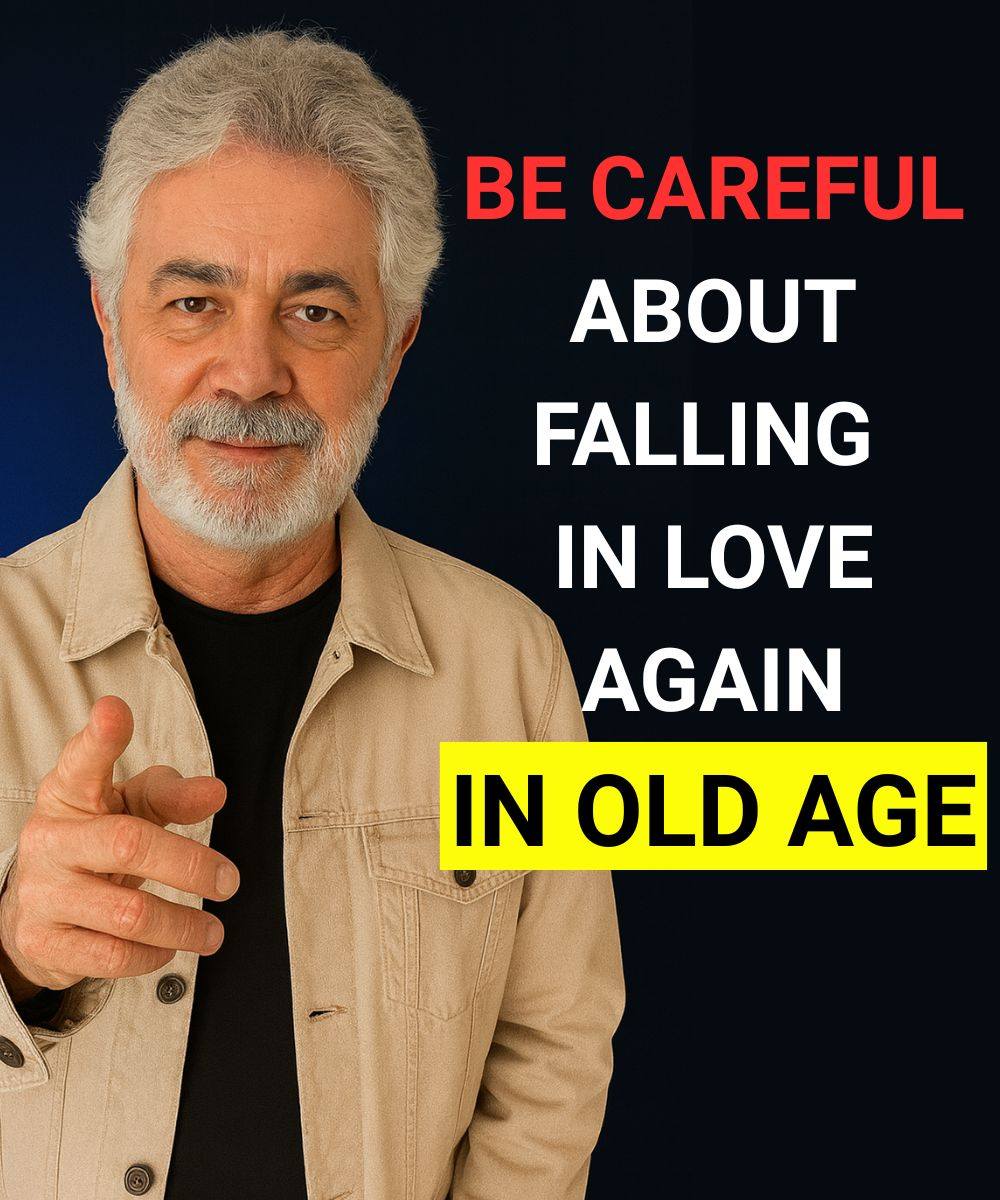
Falling in love after 60 can feel like a miracle. After decades of marriage, loss, divorce, raising children, building careers, and surviving life’s unexpected turns, love may return when you least expect it. It can feel intense, healing, and deeply meaningful. But while love at any age brings joy, falling in love later in life carries unique risks that few people openly discuss.
🚀 Make Money Online – Up to $50 Per Day!
This is not about discouraging love. It’s about understanding the emotional, financial, and practical realities that come with it — especially when you’ve already lived a full life.
1. Emotional Vulnerability Is Deeper Than You Think
By 60, most people have experienced significant loss — the death of a spouse, the end of a long marriage, or estranged relationships with children. When someone new enters your life, they may fill a space that has felt empty for years.
That emotional intensity can cloud judgment. The fear of loneliness often makes people overlook red flags they would have seen clearly in their 30s or 40s. After years of independence, companionship can feel so comforting that you may rush into commitments too quickly.
Unlike young love, later-life love often carries unresolved grief. If you haven’t fully processed past loss, you might attach not just to the new person — but to the idea of rebuilding what you once had.
2. Financial Complications Can Be Serious
Love after 60 often intersects with retirement savings, pensions, property, and inheritance. Unlike younger couples who are building wealth together, older couples are combining what they already own.
This can create tension with adult children. They may worry about inheritance, property ownership, or financial exploitation. Even if their concerns are misplaced, suspicion can damage family relationships.
There’s also the real risk of financial abuse. Unfortunately, romance scams and predatory relationships disproportionately target older adults. When emotions are strong, it’s easy to make financial decisions — joint accounts, shared property, large gifts — that are difficult to reverse later.
Protecting yourself doesn’t mean distrusting love. It means setting clear boundaries, keeping some assets separate, and consulting a legal or financial advisor before making major commitments.
3. Blending Families Isn’t Simple
At 60, you don’t just fall in love with a person — you inherit their history. Adult children, ex-spouses, grandchildren, and long-standing family dynamics come with the relationship.
Adult children may struggle to accept a new partner, especially if they’re still grieving the other parent. They might see the relationship as a betrayal or fear that they’re being replaced.
Tension can escalate quickly if the new partner moves into the family home or if assets begin shifting. Even subtle comments — “It’s too soon” or “You’ve changed” — can create emotional strain.
Falling in love after 60 isn’t just about two hearts; it’s about navigating entire family systems.
4. Health Realities Change the Stakes
In your 20s or 30s, love feels open-ended. After 60, health becomes part of the equation.
One partner may be significantly healthier than the other. Chronic illness, mobility limitations, or cognitive decline can shift the relationship dynamic from romantic partnership to caregiver-patient.
This doesn’t mean love isn’t worth it. But it does mean that discussions about medical directives, long-term care, and expectations should happen earlier rather than later.
The danger lies not in illness — but in avoiding the conversation.
5. Independence Can Quietly Disappear
After decades of managing your own life, routines, and decisions, falling in love can slowly reshape your independence.
You may compromise more than you expect. You may relocate, change daily habits, or adjust friendships to accommodate the relationship. Sometimes these changes are healthy. Sometimes they chip away at the autonomy you worked hard to build.
At this stage of life, independence isn’t just freedom — it’s identity. Losing too much of it can create resentment, even in a loving relationship.
6. The Fear of Starting Over Is Stronger
When relationships fail at 25, you feel like you have time. After 60, the fear of “wasting your remaining years” can push you to stay in a relationship that isn’t right.
You might tolerate incompatibility, emotional distance, or even disrespect because the idea of being alone again feels unbearable.
But staying in the wrong relationship at 60 costs more than time. It costs peace.
7. Society Doesn’t Prepare You for Late-Life Romance
Movies celebrate young love. Advice columns focus on dating in your 20s and 30s. Very little honest conversation exists about romance after 60.
Older adults are often expected to either remain loyal to a deceased spouse forever or quietly accept loneliness. When love appears, it can feel both exhilarating and guilt-inducing.
There is also social judgment. Friends may question your choices. Family may doubt your motives. Even you might question yourself: “Am I being foolish?”
These doubts can create inner conflict that complicates what should be joyful.
So Is Falling in Love After 60 a Mistake?
Not at all.
In fact, love later in life can be more mature, intentional, and deeply fulfilling than youthful romance. You know who you are. You understand compromise. You appreciate companionship in a way younger people often cannot.
But the danger lies in pretending it’s simple.
Love after 60 requires:
-
Slower decisions
-
Honest financial conversations
-
Clear legal planning
-
Respect for family dynamics
-
Protection of independence
-
Emotional self-awareness
When approached thoughtfully, it can be one of life’s greatest gifts.
The real truth no one tells you is this: love after 60 isn’t dangerous because of age — it’s dangerous when you ignore the realities that come with it.
And perhaps the greatest lesson of all is this — at 60, you don’t need love to complete you. You choose it to enrich you. When that distinction is clear, love becomes less risky and far more powerful.
