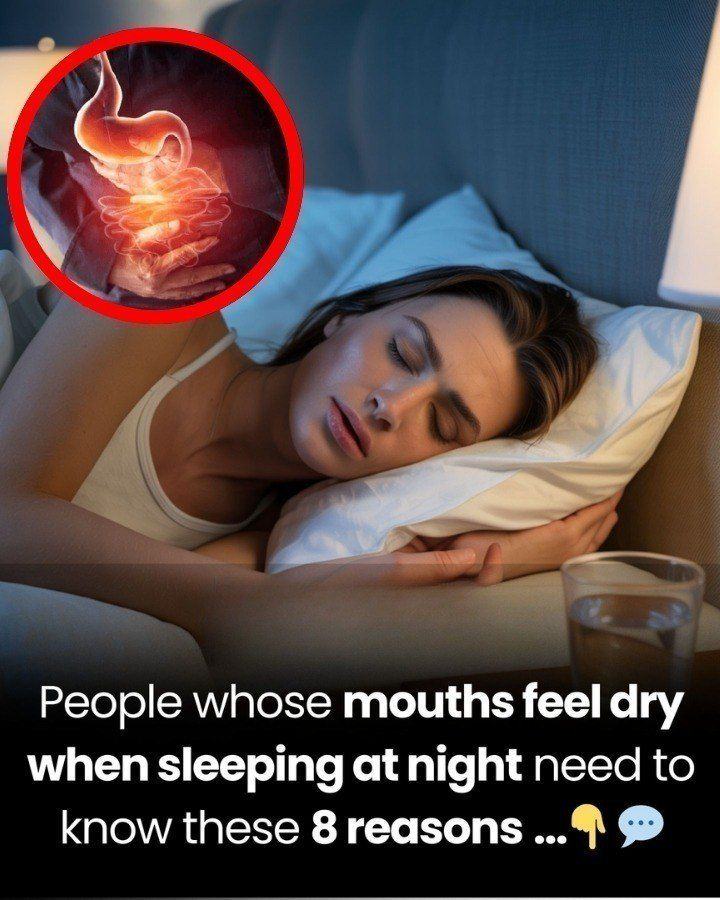
Waking up in the middle of the night or early morning with a dry, sticky mouth can be uncomfortable and even concerning. This condition, often called nighttime dry mouth or xerostomia, affects many people without them realizing the underlying causes. While occasional dryness may be harmless, frequent symptoms can indicate lifestyle habits, environmental factors, or health conditions that deserve attention. According to experts at the American Dental Association and the Mayo Clinic, saliva plays a vital role in protecting teeth, supporting digestion, and keeping oral tissues healthy. Understanding why your mouth becomes dry at night is the first step toward preventing discomfort and maintaining overall health.
🚀 Make Money Online – Up to $50 Per Day!
Here are eight important reasons why your mouth may feel dry while sleeping.
1. Mouth Breathing During Sleep
One of the most common reasons for nighttime dry mouth is breathing through your mouth instead of your nose. When you breathe through your mouth, airflow constantly dries out saliva, leaving your mouth feeling parched. This often happens due to nasal congestion, allergies, sinus infections, or even habit. People who snore or sleep with their mouths open are especially likely to experience this issue. Mouth breathing reduces saliva’s protective effect, which can increase the risk of tooth decay and gum irritation over time.
2. Dehydration Before Bed
Your body depends on adequate hydration to produce saliva. If you don’t drink enough water during the day or consume dehydrating substances like caffeine, your saliva production decreases. Dehydration becomes more noticeable at night because your body naturally produces less saliva during sleep. Even mild dehydration can make your mouth feel dry, sticky, and uncomfortable by morning. Drinking enough water throughout the day helps maintain healthy saliva levels.
3. Side Effects of Medications
Many medications can cause dry mouth as a side effect. These include antihistamines, antidepressants, blood pressure medications, and sleep aids. According to the National Institutes of Health, hundreds of commonly used medications affect saliva production. These drugs may reduce the activity of salivary glands, leading to dryness that becomes more noticeable at night when saliva naturally slows down. If you recently started a new medication and noticed dry mouth, this may be the cause.
4. Sleeping Environment and Air Quality
The air in your bedroom can significantly impact moisture levels in your mouth. Sleeping in a room with dry air, air conditioning, or heating systems can remove humidity from the environment. Dry air pulls moisture from your mouth and throat, making dryness worse overnight. This is especially common during winter months or in air-conditioned rooms. Low humidity levels contribute directly to reduced oral comfort.
5. Snoring and Sleep Apnea
Snoring and sleep apnea are strongly linked to nighttime dry mouth. Sleep apnea causes interrupted breathing, which often forces people to breathe through their mouths. This constant airflow dries saliva quickly. People with sleep apnea frequently wake up with dry mouth, sore throat, or bad breath. In addition to dryness, sleep apnea can affect sleep quality and overall health, making it important to address.
6. Natural Aging Process
As people age, saliva production naturally decreases. Older adults are more likely to experience dry mouth, especially at night. Aging also increases the likelihood of medication use, which can further reduce saliva. Reduced saliva can affect taste, swallowing, and oral comfort. Although aging is natural, managing hydration and oral health can reduce the impact of dry mouth.
7. Lifestyle Habits Like Smoking or Alcohol
Smoking and alcohol consumption can reduce saliva production and dry out oral tissues. Alcohol acts as a dehydrating agent, while smoking affects the function of salivary glands. Both habits contribute to nighttime dryness and irritation. Even occasional alcohol consumption before bed can worsen dry mouth symptoms during sleep.
8. Underlying Health Conditions
Certain medical conditions can reduce saliva production or affect oral moisture balance. Conditions such as diabetes, autoimmune disorders, and chronic sinus problems can lead to dry mouth. These conditions may affect gland function, fluid balance, or breathing patterns. Persistent dry mouth should not be ignored, as it may be an early sign of an underlying issue.
Why Saliva Is So Important
Saliva does much more than keep your mouth comfortable. It helps wash away bacteria, protects teeth from decay, supports digestion, and prevents infections. Without enough saliva, harmful bacteria can grow more easily, increasing the risk of cavities, gum disease, and bad breath. Nighttime dryness can affect oral health if it continues long term.
Simple Ways to Reduce Nighttime Dry Mouth Naturally
1. Stay hydrated: Drink enough water throughout the day, especially in the evening.
2. Use a humidifier: Adding moisture to the air can reduce dryness.
3. Avoid alcohol and caffeine before bed: These substances reduce saliva production.
4. Practice nasal breathing: Treat nasal congestion or allergies to encourage proper breathing.
5. Maintain oral hygiene: Brush and floss regularly to protect oral tissues.
6. Avoid smoking: Smoking worsens dryness and oral irritation.
7. Sleep on your side: This may reduce mouth breathing and snoring.
When to See a Healthcare Professional
Occasional dry mouth is normal, but persistent dryness every night should be evaluated. If dry mouth is accompanied by difficulty swallowing, bad breath, or frequent thirst, it may indicate a deeper issue. A healthcare provider or dentist can identify the cause and recommend proper treatment.
Conclusion
Nighttime dry mouth is more than just an inconvenience—it can affect your comfort, sleep quality, and oral health. Common causes include mouth breathing, dehydration, medications, air quality, snoring, aging, lifestyle habits, and health conditions. Fortunately, simple lifestyle changes like staying hydrated, improving air humidity, and maintaining healthy habits can greatly reduce symptoms. Paying attention to this small but important sign can help protect your mouth, improve sleep comfort, and support overall health.
