Your feet can reveal surprising clues about your overall health — including how well your liver is functioning. The liver plays a crucial role in detoxifying the body, producing bile, regulating hormones, and processing nutrients. When it becomes stressed or damaged, subtle signs can appear in different parts of the body — and your feet are no exception.
🚀 Make Money Online – Up to $50 Per Day!
Here are 9 signs on your feet that may indicate liver problems, explained in detail.
1. Swollen Feet and Ankles (Edema)
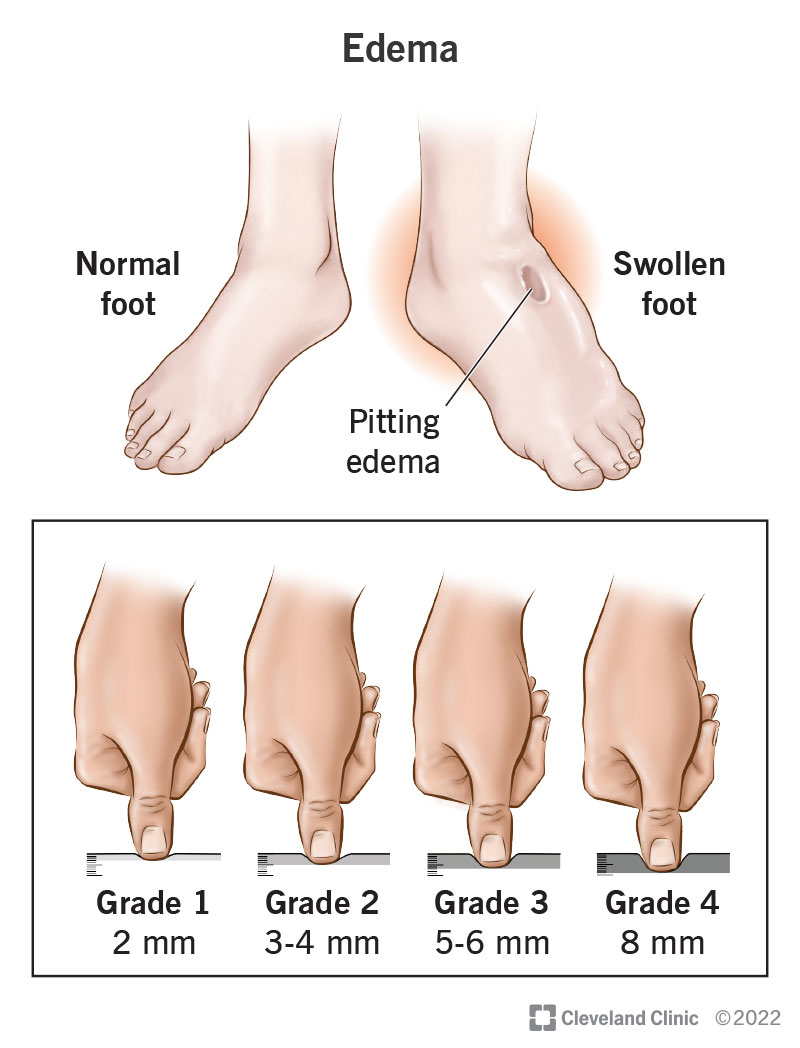
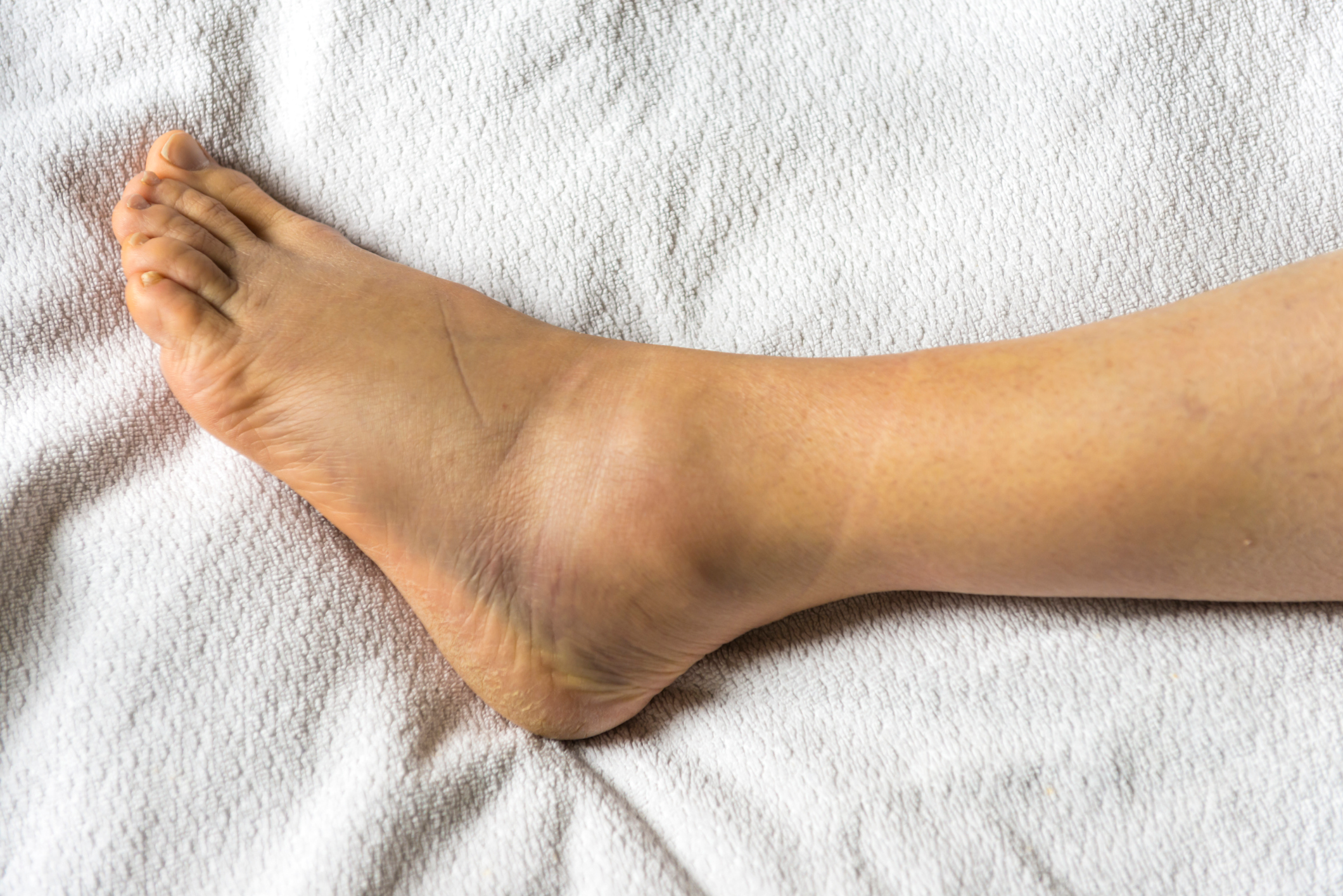

One of the most common signs of liver disease is swelling in the feet and ankles. When the liver is damaged — especially in conditions like cirrhosis — it may not produce enough albumin, a protein that helps keep fluid in the bloodstream.
Low albumin levels allow fluid to leak into surrounding tissues, causing pitting edema (when pressing the skin leaves an indentation). Persistent swelling that doesn’t improve with rest should be evaluated by a doctor.
2. Itchy Feet (Persistent Pruritus)
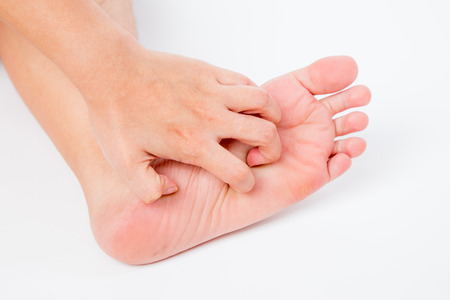
Chronic itching — especially on the soles of the feet — may be linked to liver dysfunction. When bile flow is impaired (a condition known as cholestasis), bile salts can accumulate in the bloodstream.
This buildup can irritate nerve endings in the skin, leading to intense itching, often worse at night. Unlike allergic itching, it may occur without a visible rash.
3. Yellowing of the Skin (Jaundice)

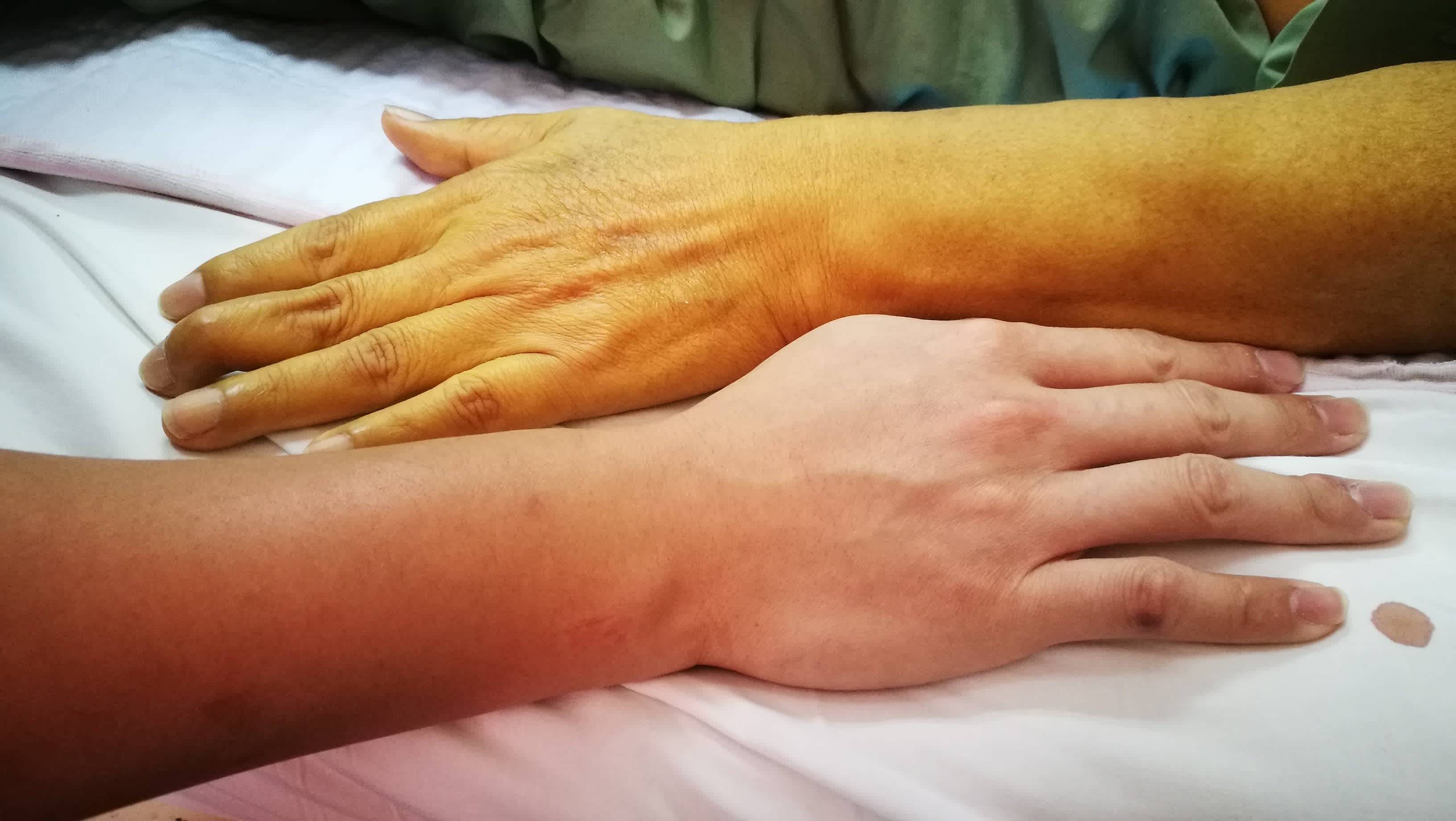
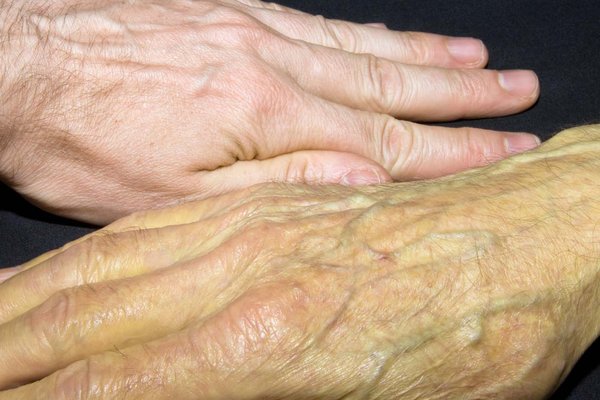
A yellow tint on the soles or toes can be a sign of jaundice. Jaundice occurs when the liver cannot properly process bilirubin, a yellow pigment formed during the breakdown of red blood cells.
While jaundice is often noticeable in the eyes first, it can also affect the skin of the feet. This symptom requires immediate medical attention.
4. Red or Blotchy Feet (Palmar/Plantar Erythema)
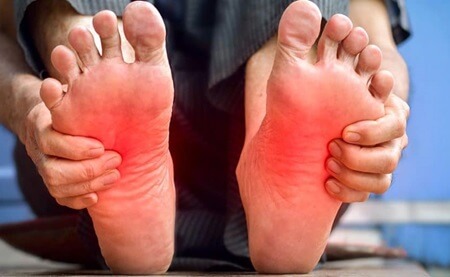
Persistent redness on the soles — known as plantar erythema — may indicate liver stress. Hormonal imbalances caused by liver disease can lead to dilation of blood vessels, creating a flushed appearance.
This redness is usually painless but noticeable and symmetrical on both feet.
5. Easy Bruising on the Feet

If you notice unexplained bruises on your feet, it could be related to liver function. The liver produces clotting factors that help your blood clot properly. When it’s not functioning well, bruising can occur more easily — even from minor bumps you barely remember.
Frequent or large bruises without injury should not be ignored.
6. Spider Veins Around the Ankles
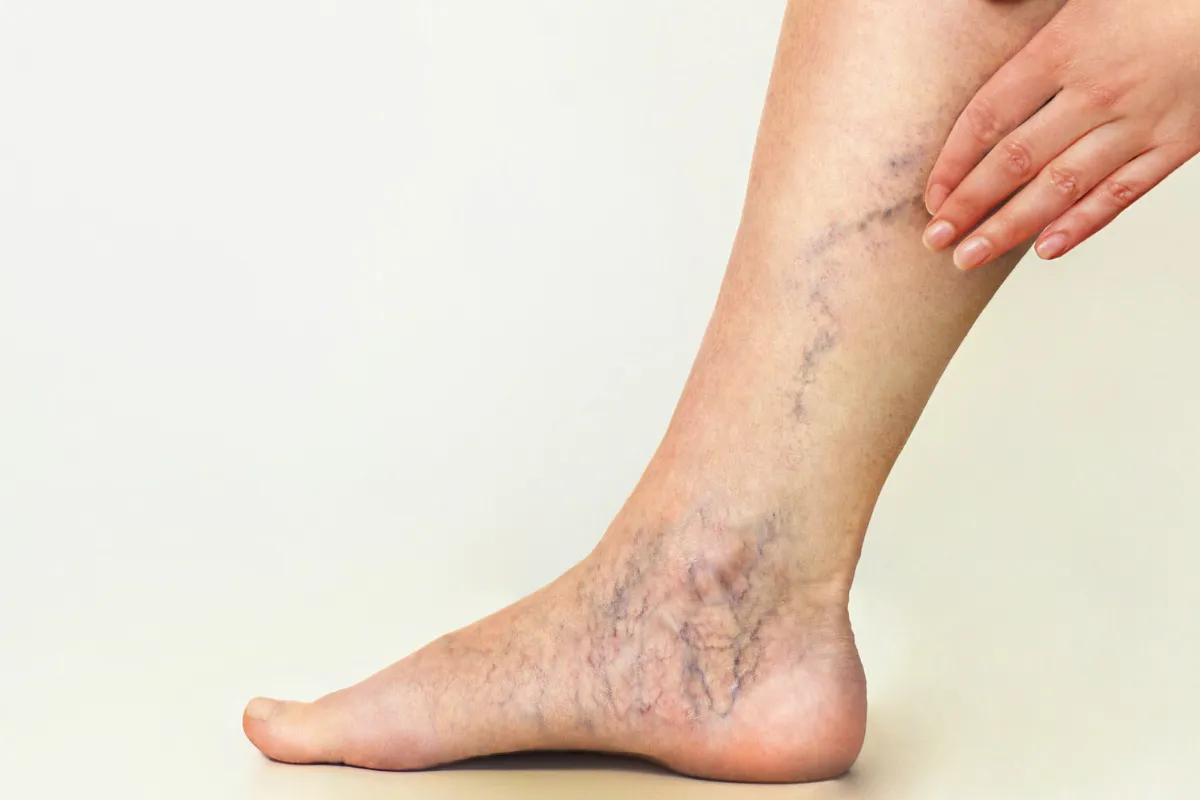
Small, visible blood vessels around the ankles and feet may sometimes be associated with liver disease. Hormonal changes and increased pressure in blood vessels (portal hypertension) can contribute to the development of spider-like veins.
Although spider veins can occur for many reasons, when combined with other symptoms, they may warrant liver screening.
7. Dark or Brownish Discoloration


Changes in pigmentation — especially dark or brown patches on the feet — may signal metabolic or hormonal imbalances linked to liver problems. The liver plays a key role in hormone breakdown, and dysfunction may lead to changes in skin tone.
While discoloration can have many causes, sudden changes should be checked.
8. Cold Feet and Poor Circulation
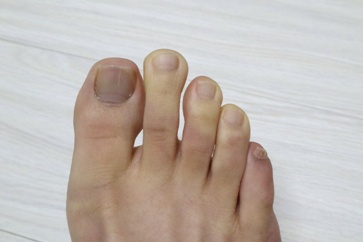

Advanced liver disease can affect circulation due to changes in blood flow and fluid balance. Some people may notice their feet feeling unusually cold or appearing pale or slightly bluish.
Poor circulation can also lead to numbness or tingling sensations.
9. Cracked Heels with Severe Dryness
While dry feet are common, persistent and severe dryness — especially when accompanied by itching or discoloration — may be linked to impaired bile flow. The liver helps digest fats and absorb fat-soluble vitamins like A and E, which are essential for healthy skin.
A deficiency in these nutrients may lead to rough, cracked heels.
When to See a Doctor
Not every foot change means liver disease. Many of these symptoms can result from other common conditions such as diabetes, poor circulation, skin disorders, or simple dehydration.
However, you should consult a healthcare professional if foot symptoms occur alongside:
-
Fatigue
-
Abdominal swelling
-
Dark urine
-
Pale stools
-
Nausea
-
Loss of appetite
Early detection of liver problems — including fatty liver disease, hepatitis, or cirrhosis — significantly improves outcomes.
Final Thoughts
Your feet can provide valuable clues about what’s happening inside your body. Swelling, itching, discoloration, unexplained bruising, or redness may sometimes reflect liver stress or dysfunction.
That said, these signs alone do not confirm liver disease. They are warning signals — not diagnoses. If you notice persistent or unusual changes
