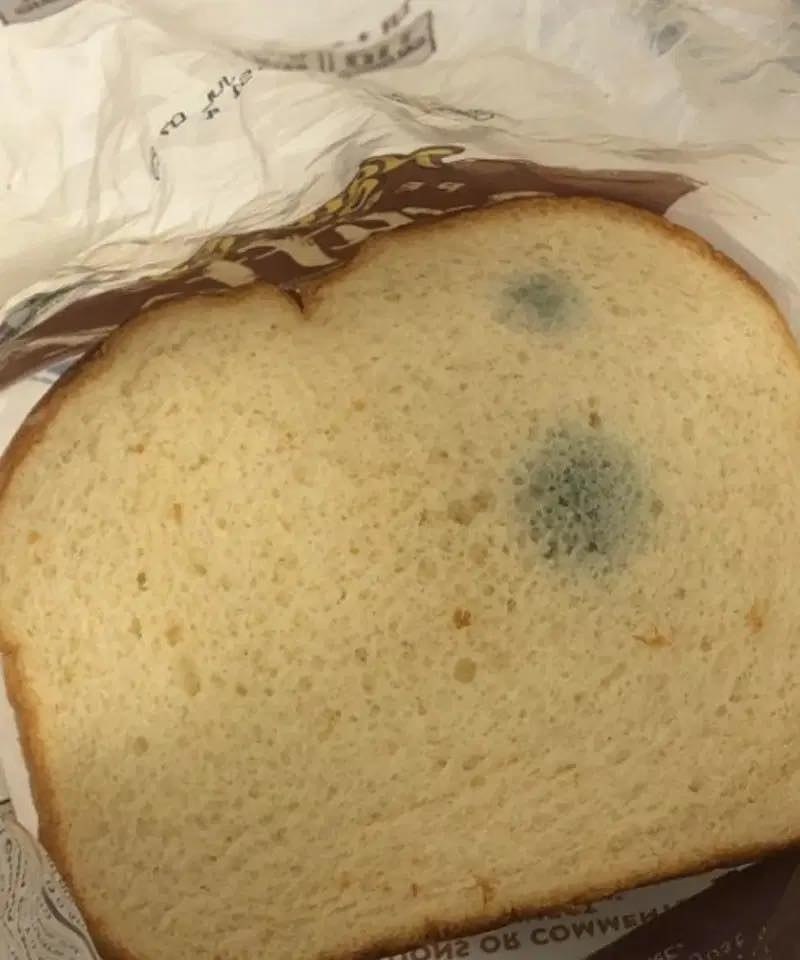
Bread is one of the most common staples found in kitchens around the world. Whether it’s a fresh loaf from the bakery, homemade sourdough, or packaged sandwich bread, it’s normal for bread to lose its freshness over time. But when bread becomes stale, many people wonder: is it still safe to eat, or should it be thrown away? Understanding the difference between stale bread and spoiled bread can help you avoid food waste while also protecting your health.
🚀 Make Money Online – Up to $50 Per Day!
What Does “Stale” Really Mean?
Stale bread is bread that has lost its moisture and softness. This happens due to a natural process called starch retrogradation. When bread is baked, starch molecules absorb water and swell. As the bread cools and sits over time, those molecules begin to crystallize and release moisture, making the bread dry and firm.
Staleness does not mean the bread is unsafe. In fact, stale bread is still edible as long as it hasn’t developed mold or signs of spoilage. It may not taste as good as fresh bread, but it can still be used in many recipes or revived with simple techniques.
When Stale Bread Is Safe to Eat
Stale bread is generally safe to eat if it meets these conditions:
1. No visible mold:
Check the surface carefully. Mold appears as fuzzy spots that may be green, white, black, or blue. If there is no mold, the bread is likely safe.
2. No unusual smell:
Fresh or stale bread has a neutral, slightly yeasty smell. If it smells sour, musty, or unpleasant, it may be spoiled.
3. Dry but not sticky:
Stale bread becomes dry and hard. However, if the bread feels sticky, damp, or slimy, bacteria or mold may be growing.
4. Proper storage history:
Bread that has been stored in a clean, dry place or properly refrigerated or frozen is safer than bread left in warm, humid conditions.
According to the United States Department of Agriculture, dry foods like bread are less likely to support harmful bacteria growth when moisture is low. However, mold can still develop if bread is stored improperly.
When You Should Throw Bread Away
There are certain signs that bread is no longer safe to eat and should be discarded immediately:
1. Visible mold:
Even if mold appears only on one part, the entire loaf should be thrown away. Mold roots can spread invisibly through the bread.
2. Strong sour or rotten smell:
This indicates microbial growth and spoilage.
3. Slimy or wet texture:
This is a sign of bacterial contamination.
4. Unusual discoloration:
Any unexpected color changes beyond normal browning should be treated as a warning sign.
The Centers for Disease Control and Prevention warns that consuming moldy foods can cause allergic reactions, respiratory problems, or digestive discomfort in some individuals.
How Long Does Bread Stay Safe?
The shelf life of bread depends on how it is stored:
-
Room temperature: 3–5 days
-
Refrigerator: Up to 7–10 days (though it may stale faster)
-
Freezer: Up to 3 months or longer
Humidity and heat accelerate mold growth, so keeping bread in a cool, dry place is important.
Can You Eat Bread That’s Hard?
Yes, hard bread is usually safe as long as it’s not moldy. Hardness is simply a result of moisture loss. Many traditional recipes actually rely on stale bread because its dryness helps absorb liquids and flavors better.
How to Revive Stale Bread
If your bread is stale but mold-free, you can restore some of its softness with heat and moisture.
Oven method:
-
Lightly sprinkle the bread with water.
-
Wrap it in foil.
-
Heat in a preheated oven at 180°C (350°F) for 5–10 minutes.
-
Remove and enjoy while warm.
This method allows the starch molecules to reabsorb moisture, temporarily restoring softness.
Toaster method:
Slices of stale bread toast beautifully and often taste even better than fresh bread when crisped.
Creative Ways to Use Stale Bread
Instead of throwing stale bread away, consider these practical uses:
1. Make breadcrumbs:
Grind dry bread in a food processor for homemade breadcrumbs.
2. Prepare croutons:
Cube stale bread, season with oil and herbs, and bake until crispy.
3. French toast:
Stale bread absorbs the egg mixture better than fresh bread.
4. Bread pudding:
A classic dessert that transforms stale bread into something delicious.
5. Stuffing:
Stale bread is ideal for absorbing broth and seasonings.
These uses reduce waste and allow you to enjoy bread in new ways.
How to Prevent Bread from Going Bad
Proper storage can extend the life of bread:
-
Store bread in a sealed bag or container.
-
Keep it in a cool, dry place.
-
Freeze extra bread if you won’t use it quickly.
-
Avoid storing bread in humid areas.
Freezing is one of the best methods to preserve bread safely without affecting its quality too much.
Understanding Mold Risks
Mold grows in warm, moist environments. Bread provides nutrients that mold needs, especially when exposed to air and humidity. Some molds produce toxins that can cause illness, so it’s always safer to discard moldy bread rather than trying to salvage it.
Never scrape mold off bread and eat the rest. Mold roots may already be present throughout the loaf.
Final Thoughts
Stale bread and spoiled bread are not the same. Stale bread is simply dry and firm due to moisture loss and is usually safe to eat if it shows no signs of mold, unusual smell, or slimy texture. With proper storage and careful inspection, stale bread can still be enjoyed or repurposed into delicious dishes.
However, bread with mold, strange odors, or visible spoilage should always be thrown away to protect your health. By learning to recognize the difference, you can reduce food waste, save money, and enjoy bread safely.
