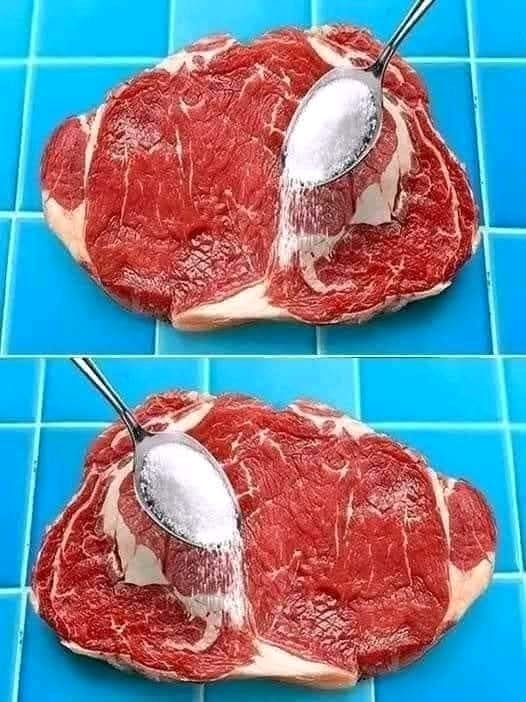
Chefs’ Tip to Make Meat More Tender Than Ever: Add This Secret Ingredient Before Cooking
🚀 Make Money Online – Up to $50 Per Day!
If you’ve ever wondered how restaurant chefs manage to serve meat that is incredibly tender, juicy, and full of flavor, the answer often lies in a simple but powerful secret ingredient added before cooking: baking soda. Yes, the same humble ingredient sitting in your kitchen cabinet can transform even tougher cuts of meat into melt-in-your-mouth perfection.
This technique, often called “velveting,” is widely used in professional kitchens, especially in Asian cuisine. It works quickly, requires very little effort, and delivers impressive results. When used correctly, baking soda helps break down proteins on the surface of the meat, preventing them from tightening too much during cooking. The result? Meat that stays soft, moist, and tender instead of becoming chewy or dry.
Let’s explore how this simple method works and how you can use it at home.
Why Baking Soda Works
Meat becomes tough when its proteins bond tightly during cooking. High heat can cause these proteins to contract and squeeze out moisture. Baking soda raises the pH level on the meat’s surface, making it more alkaline. This prevents the proteins from bonding too tightly, which helps the meat stay tender even when cooked at higher temperatures.
Unlike acidic marinades (like lemon juice or vinegar), which can sometimes make the exterior mushy if left too long, baking soda works gently and effectively when used in the right amount and for the right time.
The Secret Tenderizing Recipe
Here’s a simple and reliable method you can use for beef, chicken, or even pork.
Ingredients:
-
500 grams (1 pound) meat (thinly sliced beef, chicken breast, or pork)
-
1 teaspoon baking soda
-
2 tablespoons water
-
Optional: salt, pepper, garlic powder, or your favorite seasonings
Instructions:
-
Prepare the Meat
Slice the meat thinly against the grain. Cutting against the grain shortens the muscle fibers, making the meat naturally more tender. -
Mix the Baking Soda Solution
In a small bowl, mix 1 teaspoon of baking soda with 2 tablespoons of water until dissolved. -
Coat the Meat
Pour the baking soda mixture over the meat and massage it gently to ensure all pieces are evenly coated. -
Let It Rest
Allow the meat to sit for 15–20 minutes. For thicker cuts, you can extend this to 30 minutes, but do not leave it for too long, as it may affect texture. -
Rinse Thoroughly
After resting, rinse the meat well under cold running water to remove excess baking soda. This step is important to prevent any unwanted taste. -
Pat Dry
Use paper towels to pat the meat completely dry before cooking. -
Season and Cook
Now season as desired and cook using your preferred method—stir-fry, grill, sauté, or pan-sear.
Perfect for Stir-Fry Dishes
This method works especially well for stir-fried beef or chicken. In fact, that silky texture you often notice in restaurant stir-fries is usually achieved using this technique. Because the meat retains moisture, it cooks quickly without becoming tough, even over high heat.
Alternative “Secret” Ingredient: Yogurt
If you prefer a more traditional marinade approach, plain yogurt is another chef-approved tenderizer. Yogurt contains natural enzymes and mild acidity that gently break down muscle fibers. It also adds flavor and moisture.
Quick Yogurt Marinade:
-
1 cup plain yogurt
-
1 teaspoon salt
-
1 teaspoon black pepper
-
1 teaspoon garlic paste
-
500 grams meat
Marinate for 1–4 hours in the refrigerator, then cook as desired. This works beautifully for grilled or baked dishes.
Extra Tips for Ultra-Tender Meat
-
Don’t Overcook: Even tenderized meat can become dry if overcooked. Use medium-high heat and cook just until done.
-
Let It Rest After Cooking: Allow meat to rest for 5–10 minutes before slicing. This helps redistribute juices.
-
Choose the Right Cut: While baking soda improves tenderness, selecting good cuts like sirloin, flank steak (properly sliced), or chicken thighs will enhance results.
-
Use the Right Amount: More baking soda does not mean more tenderness. Stick to about 1 teaspoon per pound of meat.
Common Mistakes to Avoid
-
Skipping the rinse step (this may leave a slightly bitter taste).
-
Using too much baking soda.
-
Letting the meat sit too long in the solution.
-
Forgetting to pat dry before cooking (this prevents proper browning).
Final Thoughts
Sometimes the best cooking secrets are the simplest ones. Baking soda may not seem glamorous, but it’s a powerful tool used by professional chefs to guarantee tender, juicy meat every time. With just a teaspoon and a few minutes of preparation, you can elevate your home cooking to restaurant-quality results.
