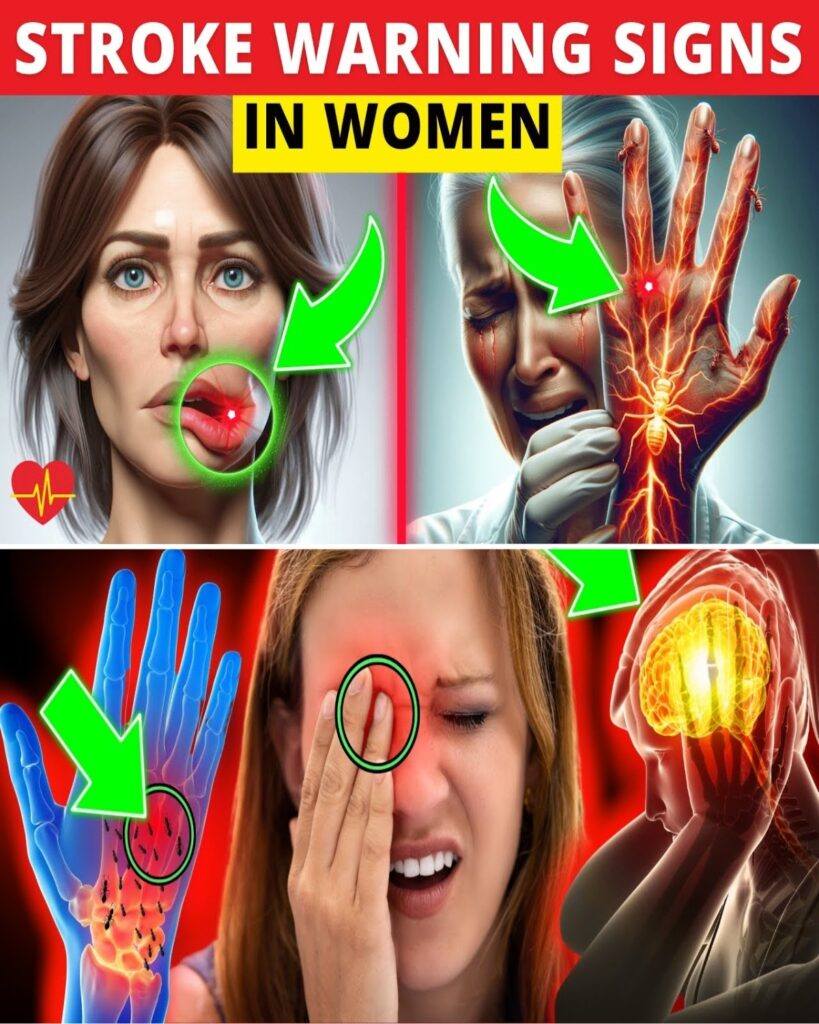
When most people think of a stroke, they imagine sudden collapse, slurred speech, or one side of the face drooping. While those classic signs absolutely happen, women often experience strokes very differently. In fact, women are more likely than men to have subtle, easily dismissed symptoms—ones that may look harmless at first but can delay urgent treatment.
🚀 Make Money Online – Up to $50 Per Day!
Recognizing these quieter warning signs can mean the difference between full recovery and lifelong disability. Here are 10 subtle stroke symptoms in women that everyone should know.
1. Sudden, Unexplained Fatigue
Extreme fatigue that appears out of nowhere—especially when it’s disproportionate to your activity level—can be an early sign of stroke in women. This isn’t normal tiredness. It can feel like your body has completely shut down, even after a good night’s sleep.
Many women brush this off as stress, overwork, or hormonal changes, but when fatigue hits abruptly and intensely, it deserves attention.
2. Confusion or Mental Fog
Women may experience sudden confusion, difficulty concentrating, or feeling “mentally detached.” You might struggle to follow conversations, lose your train of thought, or feel disoriented in familiar places.
This brain fog can be subtle, but it reflects disrupted blood flow to the brain and should never be ignored.
3. Nausea or Vomiting Without Cause
Unlike men, women are more likely to experience gastrointestinal symptoms during a stroke. Sudden nausea, vomiting, or stomach pain—especially when combined with dizziness—can be a neurological warning rather than a digestive issue.
Because these symptoms mimic flu or food poisoning, many women delay seeking help.
4. Shortness of Breath
Unexpected difficulty breathing or feeling like you can’t get enough air may signal a stroke. This symptom often appears without chest pain, making it easy to misinterpret as anxiety or panic.
If breathlessness comes on suddenly and feels unusual, it’s a red flag.
5. Vision Changes in One or Both Eyes
Blurred vision, double vision, or temporary vision loss can occur during a stroke. Some women describe it as a curtain falling over one eye or seeing flashing lights.
Even if vision returns quickly, it may indicate a transient ischemic attack (TIA), sometimes called a “mini-stroke,” which is a serious warning sign.
6. Sudden Headache Unlike Any Other
A stroke-related headache often comes on abruptly and intensely, with no obvious trigger. Women may mistake it for a migraine, especially if they’re prone to headaches.
What makes it different is the speed and severity—it can feel like the worst headache of your life and may be accompanied by neck stiffness or light sensitivity.
7. Facial Discomfort or Numbness
Instead of obvious facial drooping, women may feel tingling, numbness, or pain on one side of the face. It can feel similar to a dental problem or sinus issue.
Any sudden facial sensation that doesn’t make sense should be treated seriously.
8. Weakness That Comes and Goes
Rather than dramatic paralysis, women may notice brief episodes of weakness in the arm, leg, or hand. You might drop objects, feel clumsy, or struggle to grip things.
Even if strength returns quickly, this can indicate a temporary blockage in the brain’s blood supply.
9. Sudden Emotional Changes
Unexplained anxiety, agitation, fear, or even sudden crying can be stroke symptoms in women. These emotional shifts may appear without any obvious reason and feel completely out of character.
Because emotional symptoms are often minimized, this warning sign is frequently overlooked.
10. Trouble Sleeping or Sudden Drowsiness
A stroke can disrupt brain regions responsible for alertness. Some women experience overwhelming drowsiness, difficulty staying awake, or sudden sleep disturbances shortly before or during a stroke.
If sleepiness is extreme and paired with other unusual symptoms, it’s time to act.
Why Women’s Stroke Symptoms Are Often Missed
Women are more likely to live alone, experience caregiving stress, and dismiss symptoms as anxiety or exhaustion. Hormonal factors, pregnancy, menopause, and certain medications can also influence how strokes present.
Because symptoms may be vague or intermittent, women often arrive at the hospital later than men—missing the critical treatment window.
What To Do Immediately
If you or someone near you experiences any combination of these symptoms—even if they seem mild—call emergency services immediately. Do not wait for symptoms to pass.
Early treatment can:
-
Minimize brain damage
-
Prevent long-term disability
-
Save your life
Final Thought
A stroke doesn’t always announce itself loudly—especially in women. Sometimes it whispers through fatigue, confusion, or nausea. Listening to those whispers and acting fast can be lifesaving.
