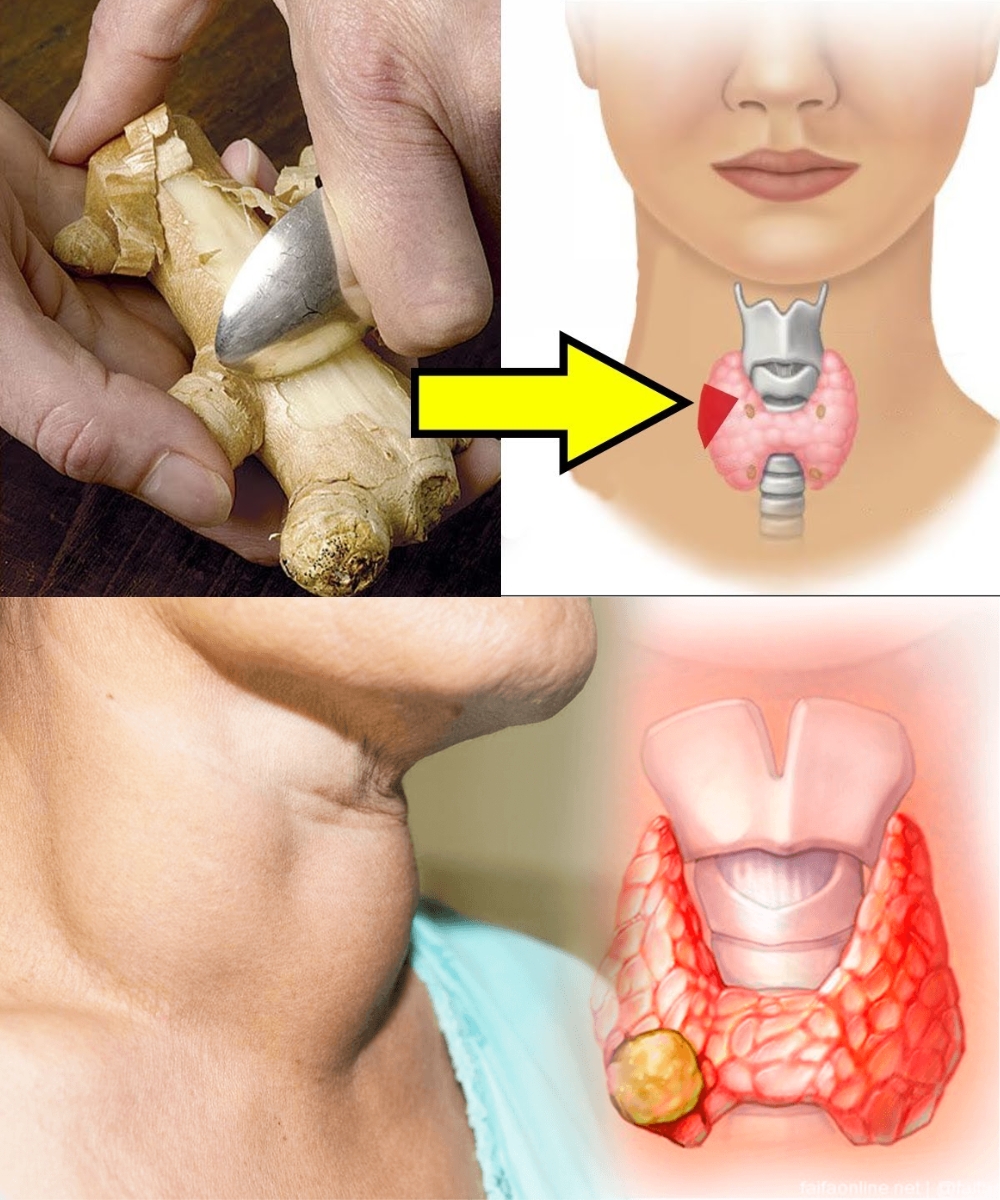
If you’ve been diagnosed with hypothyroidism or another thyroid disorder, you already know how deeply this small gland can affect your energy, weight, mood, and overall health. While medication plays a vital role, diet can either support or sabotage thyroid function. Certain foods may interfere with hormone production, iodine absorption, or medication effectiveness. Knowing what to limit—or avoid—can make a noticeable difference in how you feel day to day.
🚀 Make Money Online – Up to $50 Per Day!
Below are 19 foods commonly associated with thyroid disruption, especially when eaten frequently or in large amounts.
1. Soy and Soy-Based Products
Soy contains compounds called isoflavones, which may interfere with thyroid hormone production and absorption. Foods like tofu, soy milk, edamame, and soy protein isolates can be problematic, especially for those with iodine deficiency.
2. Raw Cruciferous Vegetables
Vegetables such as broccoli, cauliflower, cabbage, kale, and Brussels sprouts contain goitrogens, which may inhibit iodine uptake. Cooking significantly reduces this effect, so these are safer when steamed or sautéed.
3. Gluten
Many people with hypothyroidism—especially those with Hashimoto’s disease—are sensitive to gluten. Gluten can trigger inflammation and autoimmune responses that worsen thyroid function.
4. Sugar
Excess sugar contributes to insulin resistance, inflammation, and weight gain, all of which can worsen hypothyroid symptoms like fatigue and brain fog.
5. Processed Foods
Highly processed foods are often high in sodium, unhealthy fats, and additives. These ingredients can stress the endocrine system and worsen inflammation.
6. Fast Food
Fast food typically combines refined carbohydrates, unhealthy oils, and excess salt—an unfavorable combination for thyroid health and metabolism.
7. Refined Flour Products
White bread, pastries, and pasta made from refined flour can spike blood sugar levels and promote inflammation, making hormone balance harder to maintain.
8. Excess Fiber
While fiber is healthy, too much fiber can interfere with thyroid medication absorption. Balance is key—avoid excessive fiber supplements unless advised otherwise.
9. Coffee (Especially With Medication)
Drinking coffee too close to taking thyroid medication can significantly reduce absorption. It’s best to wait at least 30–60 minutes after medication before drinking coffee.
10. Alcohol
Alcohol can suppress thyroid hormone production and increase inflammation in the body. Regular or heavy drinking may worsen hypothyroid symptoms.
11. Artificial Sweeteners
Some artificial sweeteners may disrupt gut health and hormone signaling, indirectly affecting thyroid function.
12. Fried Foods
Fried foods contain oxidized fats that promote inflammation and may interfere with hormone balance.
13. Excess Salt (Especially Non-Iodized)
While iodine is essential for thyroid hormones, excessive salt—especially non-iodized salt—can worsen blood pressure without benefiting the thyroid.
14. Certain Fish High in Mercury
Fish like swordfish, king mackerel, and shark contain high mercury levels, which may impair thyroid function over time.
15. Dairy Products (For Sensitive Individuals)
Some people with hypothyroidism have difficulty digesting lactose or react to dairy proteins, leading to inflammation and digestive discomfort.
16. Millet
Millet is considered a strong goitrogen and may interfere with thyroid hormone production when consumed frequently.
17. Highly Caffeinated Energy Drinks
Excess caffeine stresses the adrenal glands, which work closely with the thyroid. This can worsen fatigue and anxiety.
18. Unfermented Foods High in Goitrogens
Foods like raw turnips, radishes, and mustard greens can suppress iodine uptake if eaten excessively and uncooked.
19. Certain Supplements Taken Incorrectly
Iron, calcium, and magnesium supplements can interfere with thyroid medication absorption if taken at the same time. Always space them several hours apart.
Final Thoughts
Managing hypothyroidism isn’t just about what you take—it’s also about what you avoid. While none of these foods are inherently “bad,” frequent or excessive consumption may worsen symptoms or interfere with treatment. Cooking methods, portion size, and timing all matter.
