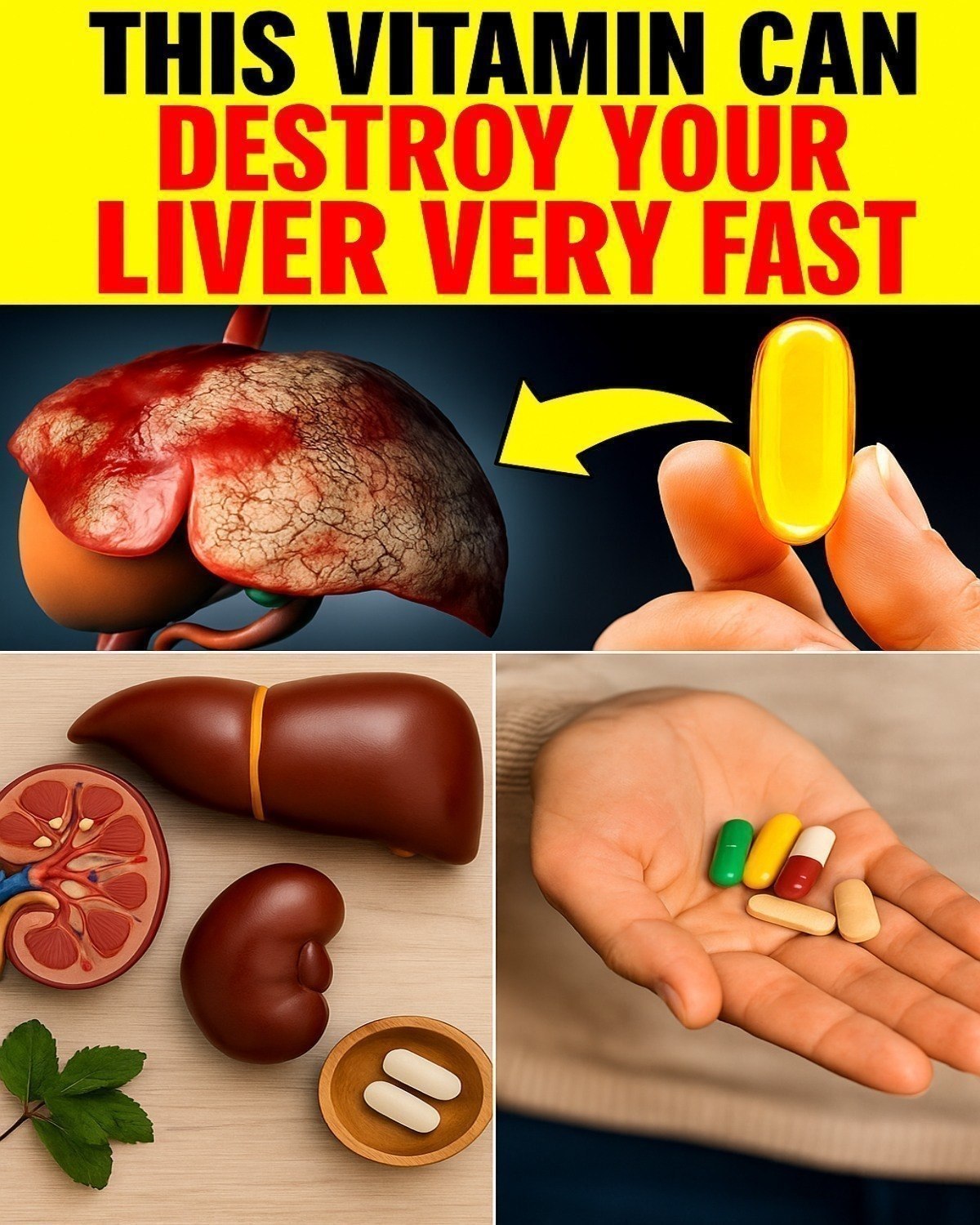
Vitamins and supplements are often marketed as safe, “natural,” and beneficial — but the truth is far more complicated. While many supplements can support health when used appropriately, some can cause serious harm to the liver and kidneys — especially at high doses, with poor-quality products, or without medical guidance. These organs are essential for detoxification and filtration, and overwhelming them can lead to inflammation, organ failure, or even death.
🚀 Make Money Online – Up to $50 Per Day!
Understanding which supplements pose the greatest risk — and why — can help you avoid dangerous mistakes.
1. Vitamin A (Retinol) — Liver Toxicity King
Vitamin A is essential for vision, immune function, and cell growth — but it’s fat-soluble, meaning the body stores excess amounts instead of excreting them.
When you take too much pre-formed Vitamin A (retinol) in supplements, it accumulates in the liver — eventually destabilizing liver cells, causing inflammation (hepatitis), fibrosis, and, in severe cases, liver failure. Chronic overuse has even shown early signs of cirrhosis in clinical studies.
Risks:
Jaundice
Elevated liver enzymes
Abdominal pain
Long-term liver inflammation
This makes Vitamin A one of the most dangerous vitamins when overdosed, with toxicity reported even at levels some people assume are “normal.”
2. Vitamin D — Kidney Stone & Kidney Failure Risk
Vitamin D plays a vital role in bone health, immune regulation, and hormone balance — but too much can be toxic. Excessive Vitamin D raises blood calcium levels (hypercalcemia), and high calcium in the bloodstream often crystallizes in the kidneys, leading to stones or even chronic kidney damage. In extreme cases, hypercalcemia can cause kidney failure.
Symptoms of toxicity:
Nausea & vomiting
Frequent urination
Severe back or abdominal pain
Kidney injury
Despite its popularity, unsupervised high-dose Vitamin D is one of the biggest hidden risks to kidney health.
3. Niacin (Vitamin B3) — Silent Liver Assassin
Niacin is used therapeutically to manage cholesterol and support metabolism, but in high doses it can overload the liver. Prolonged high intake — often from sustained-release or mega-dose supplements — is well documented to cause liver inflammation, hepatitis, or frank liver failure.
Why it’s dangerous:
High doses overwhelm liver detoxification enzymes and can cause direct liver cell injury. This effect is particularly serious because liver damage may be silent until blood tests show abnormalities.
4. Green Tea Extract — Weight-Loss Trap
Green tea as a beverage is generally safe, but supplemental green tea extract (especially concentrated EGCG) is another story. These concentrated catechins can stress liver detox pathways and have been linked to hepatocellular injury, elevated liver enzymes, and even liver failure, particularly when taken at high doses seen in many weight-loss products.
The concentrated nature of extract pills dramatically increases risk compared to brewed tea.
5. Herbal Toxins: Kava, Black Cohosh & Comfrey
Herbal supplements often carry the “natural = safe” myth, but several have strong links to liver and kidney harm:
Kava — Linked to severe liver toxicity, especially when extracts are alcohol-based.
Black Cohosh — Associated with liver inflammation and hepatitis cases.
Comfrey — Contains toxic pyrrolizidine alkaloids that can cause veno-occlusive disease — a deadly form of liver injury.
These herbs are often included in anxiety, menopause, or wellness blends — but can quietly damage the liver.
6. Garcinia Cambogia — Not So Harmless Weight Loss Aid
Garcinia Cambogia, marketed for fat loss, has also been associated with liver damage, including cases severe enough to require transplantation. This is especially prevalent when combined with other compounds in proprietary blends.
7. Creatine — Kidney Workload & Hydration Risk
Creatine is widely used for athletic performance and muscle growth. On recommended doses it’s generally safe for healthy adults — but high doses, dehydration, or pre-existing kidney issues can increase kidney workload. This happens because excess creatine is broken down into creatinine, which the kidneys must filter — potentially accelerating damage over time.
Risks:
Elevated creatinine (marker also used in kidney tests)
Strained filtration
Possible long-term dysfunction with misuse
8. Excess Vitamin C — Kidney Stone Machine
Vitamin C is water-soluble, but megadoses — often above 2,000 mg/day — can create high levels of oxalate in urine. These oxalates bind with calcium to form kidney stones and, in rare cases, contribute to serious conditions like oxalate nephropathy.
Even though vitamin C is often considered benign, too much can be harmful to kidneys.
9. High Protein & Calcium Supplements — Hidden Kidney Stress
Protein powders and high calcium supplements may seem harmless — but excessive protein increases nitrogen waste that kidneys must excrete. Chronic overuse can burden kidneys, especially if hydration is inadequate or there’s underlying dysfunction. Similarly, high supplemental calcium contributes to calcium deposits in kidneys (nephrocalcinosis).
Why These Damage Occur: The Underlying Mechanisms
Liver
The liver processes vitamins, drugs, and toxins. Fat-soluble vitamins (A, D, E, K) and potent herbal compounds accumulate and are metabolized here. Overwhelming capacity leads to oxidative stress, inflammation, cell death, and fibrosis. Enzyme pathways can be saturated, leading to toxic metabolites.
Kidney
The kidneys filter blood, removing waste and maintaining fluid/electrolyte balance. Excess minerals, metabolites, or stones from supplements create mechanical and biochemical strain, raising blood pressure in tiny filtration units (glomeruli), and, over time, reducing filtration capacity.
Real-World Consequences
Case reports worldwide show people developing hepatitis, jaundice, kidney stones, kidney failure, or needing transplants from supplements many assume are safe — including concentrated green tea extract, herbal blends, and fat-soluble vitamins.
Symptoms often develop slowly — fatigue, abdominal pain, dark urine, jaundice, nausea, thirst, or back pain — and may be mistaken for other issues until serious damage occurs.
Safety Tips
✔ Never assume “natural” equals safe.
✔ Read dosing carefully — more is not better.
✔ Avoid stacking similar nutrients across multiple products.
✔ Get blood tests before megadosing.
✔ Consult a healthcare provider, especially if you have liver or kidney disease.
Conclusion
Supplements can benefit health when used wisely — but some can be dangerous, even deadly when misused. Vitamins A, D, niacin, concentrated herbal extracts, and common performance or weight-loss supplements have documented risks that can lead to liver and kidney destruction. Use them with respect, not recklessness.
