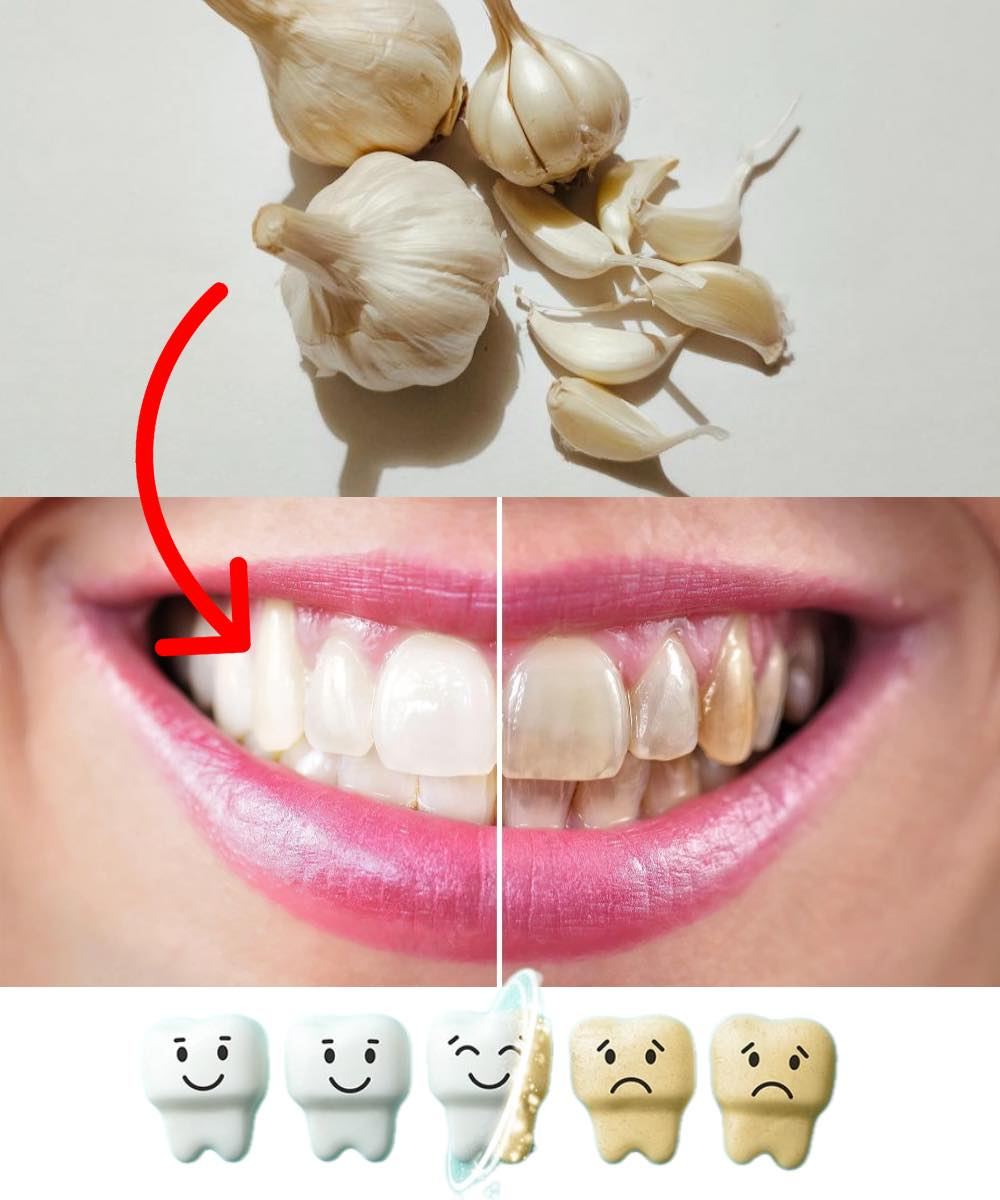
Clickbait headlines love to promise secret tricks that “dentists don’t want you to know.” When it comes to tartar removal and teeth whitening, the truth is less dramatic—but far more useful. You can improve tooth color and slow tartar buildup at home, but you cannot safely remove hardened tartar without professional tools. This article clears up the myths, explains what actually works, and gives you a dentist-approved routine that protects your enamel while helping your smile look brighter—fast.
🚀 Make Money Online – Up to $50 Per Day!
First, What Is Tartar (and Why It Matters)?
Tartar, also called calculus, is plaque that has hardened on your teeth. Plaque is a sticky film of bacteria that forms daily. If it isn’t removed within about 24–72 hours, minerals in saliva harden it into tartar. Once tartar forms, brushing alone won’t remove it. That’s why dentists use special instruments during cleanings.
Why care? Tartar traps bacteria, irritates gums, contributes to bad breath, stains teeth, and increases the risk of cavities and gum disease. So while home care can prevent tartar and reduce surface stains, removal of existing tartar requires a professional cleaning.
The Myth: “One Trick Removes Tartar at Home”
Let’s be honest: no vinegar, lemon, baking soda paste, or scraping hack can safely remove tartar. Acidic or abrasive DIY methods can damage enamel, increase sensitivity, and even make teeth look more yellow over time by thinning the enamel layer.
If someone claims instant tartar removal at home, it’s either:
-
Removing soft plaque, not tartar
-
Temporarily masking stains
-
Or causing enamel damage that looks white at first and worse later
The Truth: What You Can Do at Home (Fast & Safe)
While you can’t remove tartar, you can dramatically improve how your teeth look and slow new buildup. Here’s the routine that actually works.
1. Brush Smarter, Not Harder
Use a soft-bristled toothbrush and brush twice daily for two minutes. Hard brushing doesn’t clean better—it wears enamel.
Pro tip: Electric toothbrushes are more effective at plaque removal than manual ones for most people.
2. Use Fluoride Toothpaste (Yes, It Matters)
Fluoride strengthens enamel and helps reverse early decay. Stronger enamel looks whiter and smoother, reflecting light better.
Avoid DIY pastes with lemon or charcoal every day—they’re often too abrasive.
3. Floss Daily (This Is Non-Negotiable)
Most tartar forms between teeth and along the gumline. Flossing removes plaque where brushes miss, preventing it from hardening.
If floss is hard, try:
-
Floss picks
-
Water flossers
-
Interdental brushes
4. Baking Soda—The Right Way
Baking soda can help lift surface stains when used occasionally.
Safe method (1–2 times per week only):
-
Wet toothbrush
-
Dip lightly into baking soda
-
Brush gently for 30–60 seconds
-
Rinse and follow with fluoride toothpaste
This helps with brightness—not tartar removal.
5. Hydrogen Peroxide Rinse (Optional Whitening Boost)
A diluted hydrogen peroxide rinse can help with surface whitening and bacteria reduction.
How:
-
Mix equal parts 3% hydrogen peroxide and water
-
Swish for 30 seconds
-
Spit (do not swallow)
-
Rinse with water
-
Use no more than 1–2 times per week
Overuse can irritate gums, so moderation is key.
6. Eat for Cleaner Teeth
Certain foods help naturally clean teeth and reduce plaque:
-
Apples
-
Carrots
-
Celery
-
Cheese (helps neutralize acids)
Drink water after meals to wash away sugars and acids.
What About Oil Pulling?
Oil pulling with coconut oil won’t remove tartar, but some people find it helps reduce bacteria and improve breath. If you enjoy it, it’s generally safe—but consider it a supplement, not a solution.
How to Actually Remove Tartar
There’s only one reliable way: professional dental cleaning. The good news? If you follow the routine above, cleanings become quicker, easier, and less frequent buildup occurs.
Most dentists recommend a cleaning every 6 months, though some people need more frequent visits.
The Bottom Line (The Real “Secret”)
The real trick dentists agree on isn’t a hidden hack—it’s consistency.
-
You can’t safely remove tartar at home
-
You can prevent it from forming
-
You can whiten teeth safely by removing surface stains and protecting enamel
-
Quick results come from smart daily habits, not harsh shortcuts
Dentists don’t hate this knowledge—they rely on it. A cleaner mouth at home means healthier teeth, fewer problems, and better-looking smiles for life.
