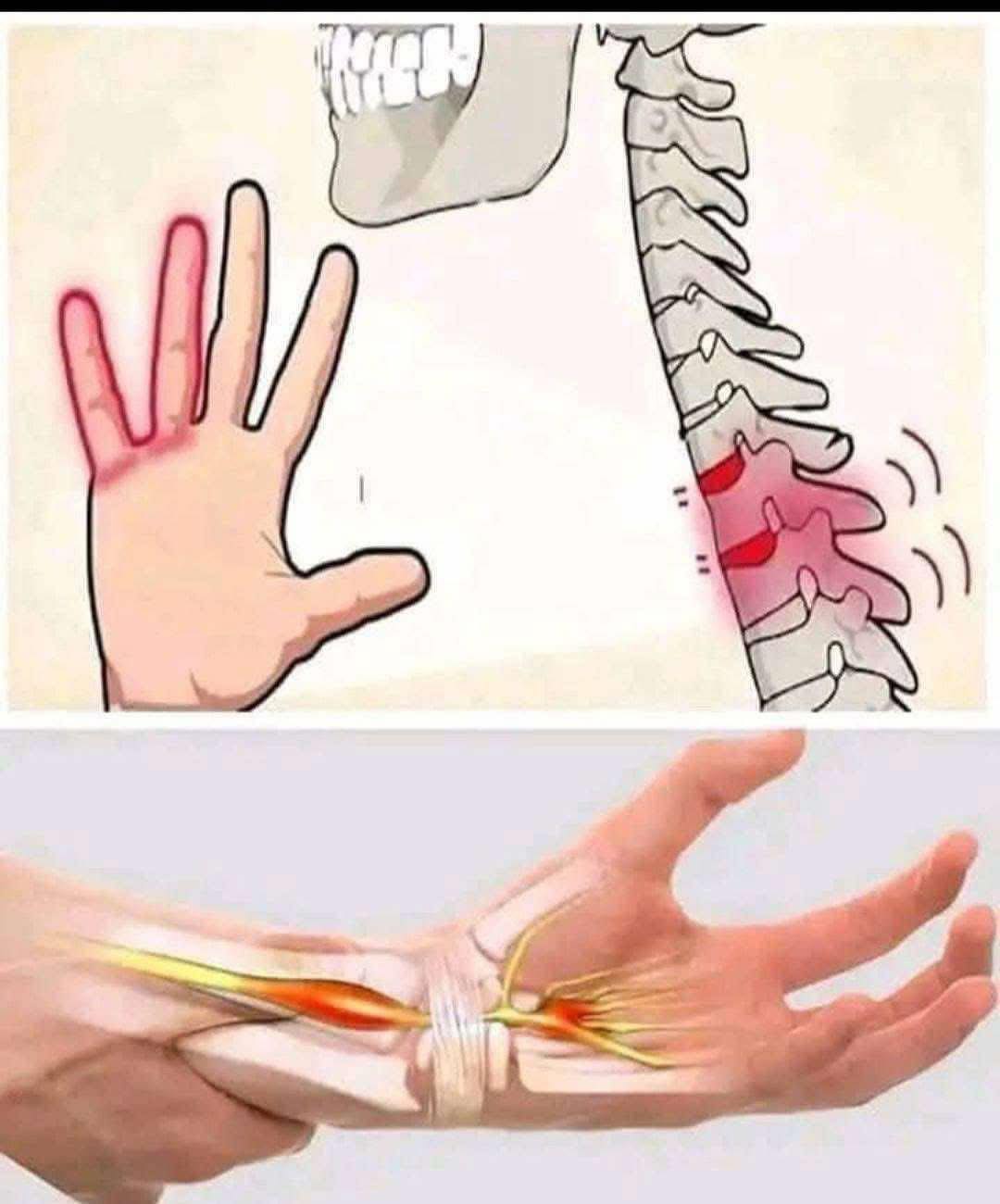
Most of us have experienced it: a strange tingling, numbness, or “pins and needles” sensation in the hands that makes them feel like they’ve fallen asleep. Usually, it fades within minutes after shaking your hands or changing position. But when this sensation happens frequently, lasts longer than expected, or appears without an obvious reason, it may be your body’s way of signaling that something deeper deserves attention.
🚀 Make Money Online – Up to $50 Per Day!
While an occasional numb hand is rarely serious, repeated episodes should not be ignored. Let’s explore what this sensation can mean, why it happens, and when you should take it seriously.
What Does It Mean When Hands “Fall Asleep”?
That numb, prickly feeling is medically known as paresthesia. It occurs when nerves are compressed, irritated, or not receiving enough blood or oxygen. Nerves act like electrical wires, sending messages between your brain and body. When something disrupts those signals, sensation changes — often into tingling, numbness, or weakness.
Common Causes of Hands Falling Asleep
1. Poor Circulation
One of the most common reasons is reduced blood flow. Sleeping on your arm, keeping your wrist bent for long periods, or resting your elbow on a hard surface can temporarily restrict circulation. When blood flow returns, the tingling begins.
If this happens frequently even without pressure, it may point to circulation issues that should be evaluated.
2. Nerve Compression
Compressed nerves are a major culprit. Conditions such as carpal tunnel syndrome occur when the median nerve in the wrist is squeezed, often due to repetitive hand movements, typing, or gripping tools. Symptoms typically include:
-
Tingling in the thumb, index, and middle fingers
-
Numbness at night
-
Weak grip strength
Neck problems, such as a pinched nerve or poor posture, can also cause numbness that travels down into the hands.
3. Vitamin Deficiencies
A lack of certain nutrients, especially vitamin B12, can affect nerve health. Deficiency-related nerve damage often starts with tingling or numbness in the hands and feet. Over time, it may lead to balance issues, fatigue, and memory problems if left untreated.
4. Blood Sugar Imbalances
People with diabetes or prediabetes often experience nerve damage known as peripheral neuropathy. This condition can cause numbness, burning, or tingling sensations in the hands and feet, especially at night. Even people who are unaware they have blood sugar issues may first notice these subtle nerve symptoms.
5. Dehydration and Electrolyte Imbalance
Low levels of electrolytes such as potassium, calcium, or magnesium can interfere with nerve signaling. Dehydration can worsen these imbalances, leading to tingling or numb sensations in the extremities.
6. Anxiety and Stress
Surprisingly, anxiety can also cause hands to feel numb or tingly. Rapid breathing during stress reduces carbon dioxide levels in the blood, temporarily altering nerve sensitivity. This often comes with chest tightness, dizziness, or a racing heart.
When Should You Be Concerned?
Occasional hand numbness after sleeping awkwardly is normal. However, you should pay closer attention if:
-
The sensation happens frequently
-
It affects both hands regularly
-
Numbness lasts longer than a few minutes
-
You experience weakness, pain, or loss of coordination
-
Symptoms worsen over time
These could indicate nerve damage, circulation problems, or metabolic conditions that require medical evaluation.
Simple Habits That May Help Reduce Tingling
While persistent symptoms should be checked by a healthcare professional, these daily habits may help reduce mild or occasional hand numbness:
-
Improve posture, especially if you work at a desk
-
Stretch hands and wrists throughout the day
-
Avoid sleeping with bent wrists or arms under your body
-
Stay hydrated
-
Eat nutrient-rich foods, especially those high in B vitamins
-
Limit repetitive hand movements when possible
Don’t Ignore the Early Signs
Your body often whispers before it screams. Tingling hands may seem minor, but they can be an early sign of nerve stress, poor circulation, or nutritional imbalance. Catching these signals early allows you to make simple lifestyle changes or seek timely care before more serious symptoms develop.
Final Thoughts
If your hands fall asleep once in a while, it’s usually nothing to worry about. But if it becomes a pattern, your body may be asking for attention. Listening early can protect your nerves, circulation, and overall health in the long run.
