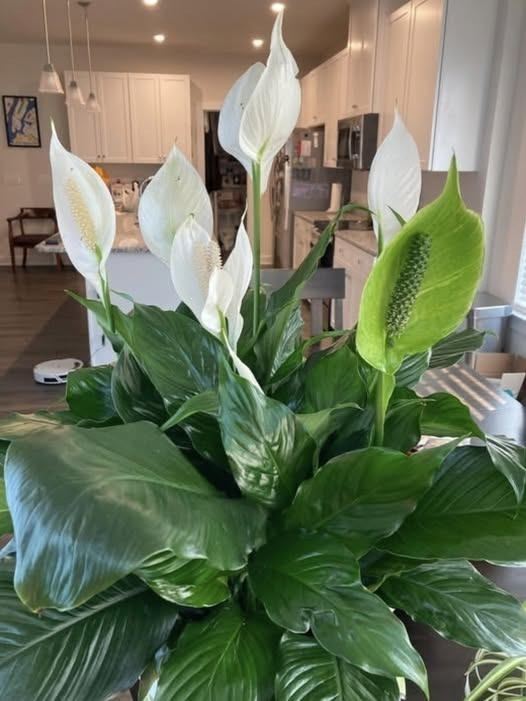
Peace lilies are famous for their lush green leaves and elegant white blooms, yet many plant owners find themselves asking the same frustrating question: Why won’t my peace lily flower? The good news is that peace lilies aren’t difficult plants—they’re just very specific about what they need. Once you understand their preferences, you can encourage blooms again and again.
🚀 Make Money Online – Up to $50 Per Day!
Think of this guide as a “recipe for flowering,” where each step plays an important role. Skip one ingredient, and the blooms may never appear. Follow the full method, and your peace lily can reward you with beautiful, long-lasting flowers.
Step 1: Understand What a Peace Lily Needs to Bloom
Peace lilies don’t bloom continuously. They typically flower once or twice a year, most often in spring or early summer. If your plant is healthy but not blooming, it’s usually because one of its basic needs—light, nutrients, or environment—is slightly off.
A peace lily focuses on survival first (leaves and roots) and flowers only when conditions are just right. Your goal is to create a stress-free, balanced environment that signals it’s safe to bloom.
Step 2: Light Is the Most Important Ingredient
The number one reason peace lilies don’t flower is insufficient light.
Peace lilies tolerate low light, but they do not flower in it.
The ideal light setup:
Bright, indirect sunlight
Near an east- or north-facing window
Filtered light through a sheer curtain works perfectly
If your plant is several feet away from a window or in a dark corner, it may grow leaves but never produce flowers. Move it gradually closer to light—sudden changes can shock the plant.
Pro tip: If you can comfortably read a book during the day without turning on a light, your peace lily can likely bloom there.
Step 3: Water Correctly—Not Too Much, Not Too Little
Peace lilies are dramatic and will droop when thirsty, but inconsistent watering can prevent flowering.
Best watering method:
Water when the top 1–2 inches of soil feels dry
Use room-temperature water
Water thoroughly until it drains from the bottom
Overwatering leads to root stress, while underwatering forces the plant to conserve energy instead of producing flowers.
Important: Never let your peace lily sit in standing water. Empty the saucer after watering.
Step 4: Feed It—But Gently
A peace lily without nutrients won’t flower, even if everything else is perfect.
Use a balanced, water-soluble houseplant fertilizer (such as 10-10-10 or 20-20-20), but dilute it to half strength.
Fertilizing schedule:
Once every 6–8 weeks
Only during spring and summer
Stop feeding in fall and winter
Too much fertilizer causes leaf burn and discourages blooms. Less is more.
Step 5: Temperature and Humidity Matter More Than You Think
Peace lilies are tropical plants and love warm, humid conditions.
Ideal conditions:
Temperature: 65–80°F (18–27°C)
Humidity: Medium to high
If your home is dry, especially in winter, increase humidity by:
Placing a shallow tray of water and pebbles under the pot
Grouping plants together
Lightly misting leaves (once or twice a week)
Avoid cold drafts, air conditioners, and heaters—sudden temperature changes can stop flowering altogether.
Step 6: Check the Pot Size
Peace lilies actually bloom better when they are slightly root-bound.
If your plant is in a pot that’s too large, it will focus on growing roots and leaves instead of flowers.
Signs your pot size is right:
Roots are visible near drainage holes
Plant dries out a bit faster than usual
Leaves look healthy and upright
Only repot when absolutely necessary, and go up just one pot size.
Step 7: Prune and Clean the Plant
Old, damaged, or yellowing leaves steal energy from flower production.
Use clean scissors to:
Remove yellow or brown leaves at the base
Cut off spent flowers once they fade
This redirects energy back into healthy growth and future blooms.
Step 8: Be Patient—Peace Lilies Don’t Rush
Even under perfect conditions, peace lilies take time. A healthy plant may need several weeks—or even months—before it produces a bloom.
If you’ve recently improved light or feeding, give your plant time to adjust. Consistency is far more important than quick fixes.
Bonus Tip: The “Bloom Trigger” Trick
Once a year in early spring, place your peace lily in a brighter spot (still indirect light) for 3–4 weeks. This mimics seasonal changes and can trigger flowering.
After buds appear, return it to its usual location.
Final Thoughts
Getting a peace lily to flower isn’t about luck—it’s about balance. Bright indirect light, consistent watering, gentle feeding, and a stable environment work together like a well-tested recipe. When all these elements align, your peace lily will reward you with elegant white blooms that last for weeks.
