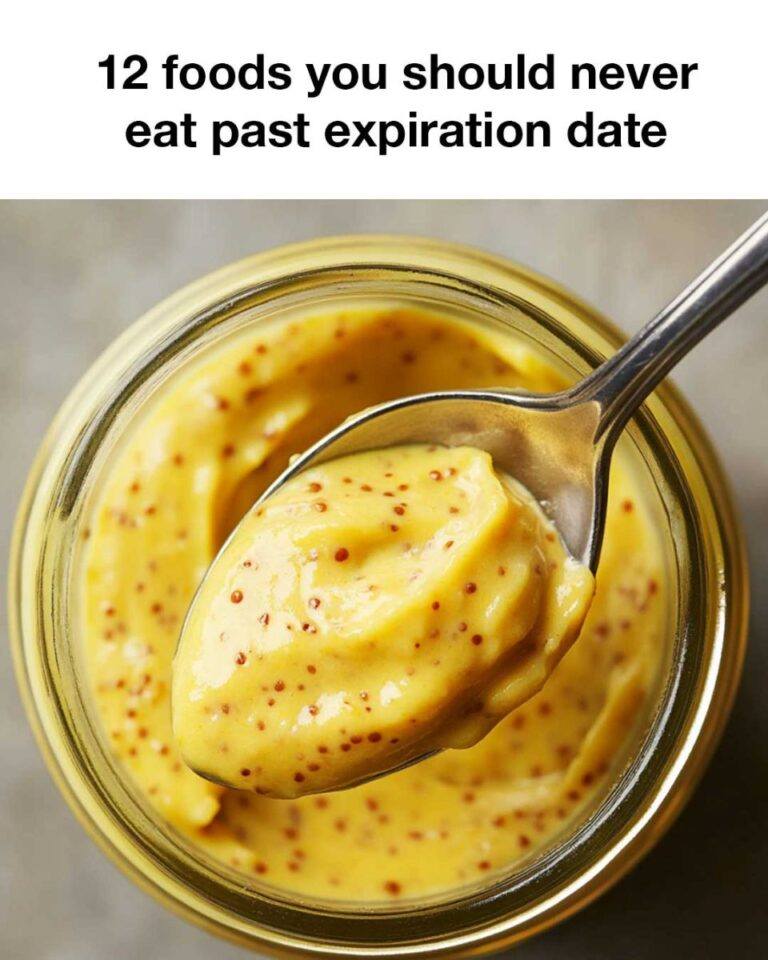
When it comes to food safety, expiration dates aren’t just a suggestion — they can be the line between a delicious bite and a day of regret. While some foods like dry pasta or rice can outlive their printed date, others are ticking time bombs for spoilage and bacteria. Below is a list of 12 foods you should never eat past expiration, followed by a creative snack recipe that helps you use up fresh ingredients before they expire!
🚀 Make Money Online – Up to $50 Per Day!
1. Milk
Milk is one of the first perishables to go bad. When it sours, it gives off a rancid smell and a curdled texture. Even a small sip of expired milk can lead to stomach cramps and food poisoning. Always sniff before you pour!
2. Raw Meat (Chicken, Beef, Pork)
Raw meat harbors bacteria like Salmonella and E. coli once it’s past its prime. If it smells sour, feels sticky, or has a grayish hue, don’t risk it. When in doubt — throw it out.
3. Seafood
Fish and shellfish spoil quickly and can cause severe foodborne illness if consumed past expiration. A strong fishy odor, slimy surface, or dull eyes (for whole fish) are telltale signs it’s no longer safe.
4. Deli Meats
Even if they look fine, deli meats can be breeding grounds for Listeria after the expiration date. Always consume within 3–5 days of opening the package.
5. Soft Cheeses
Cheeses like Brie, Feta, and Ricotta are prone to mold and bacterial growth once expired. Unlike hard cheeses, they can’t be salvaged by just cutting off the moldy part.
6. Eggs
Eggs can harbor Salmonella when old. To test freshness, place one in a glass of water — if it floats, it’s bad. Always keep eggs refrigerated and check the “use by” date carefully.
7. Pre-Packaged Salads
Bagged salads can become bacterial breeding grounds, especially if condensation forms inside. Once slimy leaves or funky odors appear, it’s time to toss them.
8. Butter
Butter can go rancid after its expiration date, turning sour and developing a strange odor. If it smells like old paint or sour milk, it’s best to replace it.
9. Ready-to-Eat Desserts
Store-bought puddings, custards, and cream pies have short shelf lives. Once expired, bacteria can grow quickly, especially if not stored at a consistent temperature.
10. Canned Foods (When Bulging or Rusty)
While most canned foods last years, any can that’s bulging, rusted, or leaking is dangerous. These can harbor Clostridium botulinum, which causes botulism — a potentially fatal illness.
11. Bread
Mold on bread is not to be ignored. Even if you cut off the fuzzy parts, invisible mold spores spread through the loaf. Use it for croutons before it spoils, or freeze for longevity.
12. Fruit Juices
Expired fruit juices can ferment, becoming fizzy and sour. If you open the cap and it hisses like soda or smells strange, it’s time to pour it out.
Bonus: “Fresh Keeper” Snack Recipe
Use up your almost-expired ingredients before they go bad!
Fresh Keeper Veggie Toast Cups
Ingredients:
-
2 slices of day-old bread (not moldy, just slightly stale)
-
1 egg
-
2 tbsp milk
-
1/4 cup chopped bell peppers
-
1/4 cup shredded cheese
-
1/2 small onion, finely diced
-
Salt & pepper to taste
-
1/4 tsp garlic powder
-
Butter or olive oil for greasing
Instructions:
-
Preheat oven to 375°F (190°C). Grease a muffin tin.
-
Cut the bread into circles or squares large enough to line each muffin cup.
-
In a small bowl, whisk the egg, milk, salt, pepper, and garlic powder.
-
Place bread pieces in each muffin cup to form a crust.
-
Pour egg mixture into each cup. Top with veggies and cheese.
-
Bake for 15–18 minutes, until golden and puffy.
-
Remove carefully and enjoy warm.
💡 Tip: This recipe is perfect for using up near-expiry eggs, milk, or vegetables — giving them a delicious second chance before they spoil.
Final Thought
Expiration dates aren’t just ink on packaging — they’re warnings that protect your health. Keeping track of your fridge inventory and whipping up creative recipes like the Fresh Keeper Toast Cups ensures nothing goes to waste, and your kitchen stays both safe and delicious.
