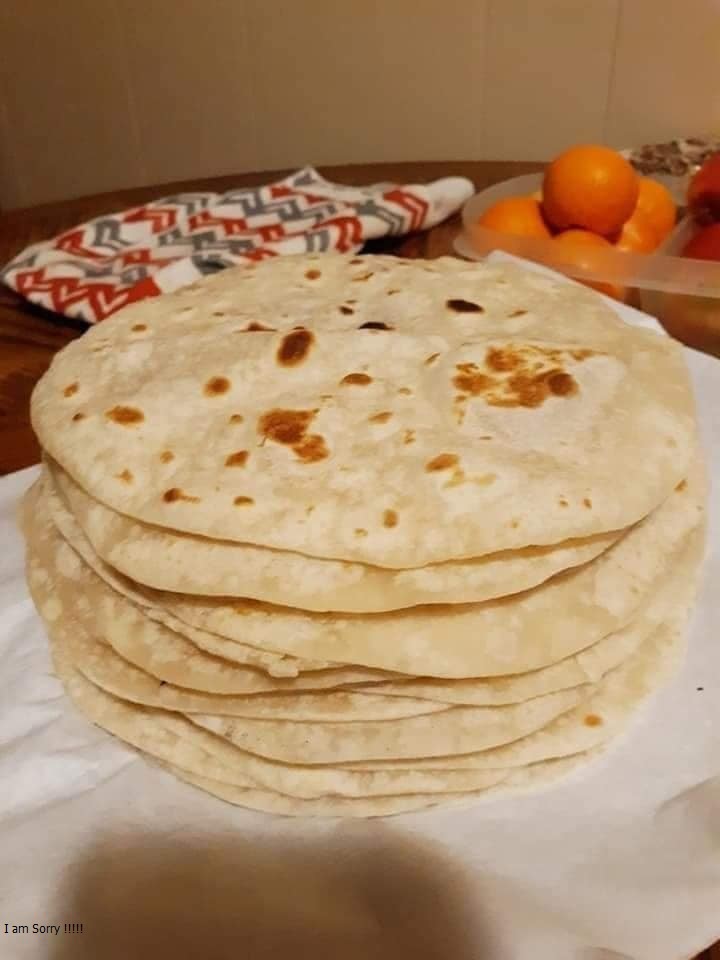
If you’ve ever tried making gluten-free tortillas at home, you know that getting the texture right can be tricky. They can turn out too dry, crumbly, or stiff—but not this recipe. This unique gluten-free tortilla recipe delivers soft, flexible, and flavorful tortillas that are perfect for tacos, wraps, burritos, and quesadillas. The secret lies in using a blend of flours that mimic the elasticity of traditional wheat tortillas, along with a special resting technique that locks in moisture. These tortillas are naturally gluten-free, dairy-free, and easy to make, yet they taste just as authentic as the ones you’d find at a Mexican taqueria.
🚀 Make Money Online – Up to $50 Per Day!
Why This Recipe Works
Traditional tortillas depend on gluten for structure and flexibility, but gluten-free cooking requires creativity. This recipe combines brown rice flour for structure, tapioca starch for stretchiness, and a touch of psyllium husk powder to bind everything together. Warm water and oil add softness, while a short rest after mixing allows the flours to hydrate fully—creating a dough that rolls out beautifully and cooks up perfectly pliable.
Ingredients
Here’s what you’ll need for about 10 medium tortillas:
-
1 cup brown rice flour – Provides a mild flavor and sturdy base.
-
½ cup tapioca starch (or arrowroot powder) – Adds chewiness and flexibility.
-
¼ cup potato starch – Helps achieve that soft, tender bite.
-
1 teaspoon psyllium husk powder – Natural binder that replaces gluten.
-
1 teaspoon sea salt – Enhances flavor.
-
1 tablespoon olive oil (or avocado oil) – Adds moisture and softness.
-
¾ to 1 cup warm water – Adjust as needed to form a pliable dough.
-
(Optional) ½ teaspoon baking powder – For slightly puffier tortillas.
Step-by-Step Instructions
Step 1: Mix the Dry Ingredients
In a large mixing bowl, combine brown rice flour, tapioca starch, potato starch, psyllium husk powder, salt, and baking powder (if using). Whisk well to distribute the ingredients evenly. This helps prevent clumping and ensures that the binding agents work uniformly.
Step 2: Add the Wet Ingredients
Pour in the olive oil and about ¾ cup of warm water. Stir with a spoon until the dough begins to come together. Then, use your hands to knead it gently inside the bowl. Gluten-free doughs behave differently from wheat doughs—they’re softer and a bit sticky at first but should firm up as you knead.
If the dough feels dry or cracks easily, add a tablespoon of water at a time until it becomes smooth and pliable. It should feel soft, like playdough, without sticking to your hands.
Step 3: Rest the Dough
Cover the bowl with a damp kitchen towel and let the dough rest for 15–20 minutes. This step is crucial because the psyllium husk and starches need time to absorb the water and develop elasticity. After resting, the dough will feel more cohesive and easier to roll.
Step 4: Divide and Shape
Divide the dough into 10 equal portions and roll each piece into a smooth ball. Keep them covered with a damp towel while you work to prevent drying out.
Using a rolling pin, roll one dough ball between two pieces of parchment paper until it forms a thin circle (about 6–7 inches). If the edges crack slightly, just press them back together. Gluten-free doughs are forgiving when handled gently.
Step 5: Cook the Tortillas
Heat a non-stick skillet or cast-iron pan over medium-high heat. When hot, carefully peel off one piece of parchment and transfer the tortilla onto the skillet. Cook for 40–50 seconds on the first side, or until small bubbles appear and the underside has light golden spots.
Flip the tortilla and cook for another 30–40 seconds on the other side. Avoid overcooking—it can make them stiff. Transfer the cooked tortilla to a plate lined with a clean towel and cover it immediately to trap steam. This steam keeps them soft and flexible.
Repeat the process with the remaining dough balls.
Step 6: Keep Warm and Store
Stack the cooked tortillas under a towel to stay warm and tender while finishing the batch. Once cooled, you can refrigerate leftovers in an airtight bag for up to 5 days or freeze for up to 2 months. To reheat, wrap in a damp paper towel and microwave for 20–25 seconds or warm briefly in a dry skillet.
Tips for Perfect Gluten-Free Tortillas
-
Hydration is key: Gluten-free flours absorb water differently, so adjust gradually until the dough feels supple but not sticky.
-
Use parchment paper for rolling: It prevents sticking and tearing—no extra flour needed.
-
Don’t skip resting: This allows the psyllium husk and starches to fully activate, creating that classic tortilla elasticity.
-
Cook quickly at high heat: This locks in moisture and gives your tortillas those irresistible light brown spots.
-
Steam after cooking: Stacking them under a towel immediately after cooking helps them stay soft and bendable.
Serving Suggestions
These gluten-free tortillas are incredibly versatile and pair beautifully with many dishes:
-
Tacos: Fill with grilled chicken, shrimp, or sautéed veggies.
-
Wraps: Add hummus, greens, and roasted vegetables for a wholesome lunch.
-
Quesadillas: Stuff with melted cheese and beans, then pan-toast until crispy.
-
Breakfast Burritos: Wrap scrambled eggs, spinach, and salsa for a hearty morning meal.
-
Mini Pizzas: Top with tomato sauce, cheese, and herbs—bake for a fun twist.
Variations
Once you master the base recipe, you can play around with flavors and ingredients:
-
Herb Tortillas: Add a teaspoon of dried oregano, basil, or rosemary for aromatic flavor.
-
Spinach Tortillas: Blend ½ cup cooked spinach with the water before adding to the dough for a vibrant green hue and added nutrition.
-
Turmeric Tortillas: Add ½ teaspoon turmeric powder for a golden color and subtle earthy taste.
-
Coconut Flour Blend: Replace 2 tablespoons of rice flour with coconut flour for a touch of sweetness and extra softness.
Troubleshooting Guide
-
Tortillas cracking: The dough may be too dry—add a little more warm water.
-
Too sticky: Add a tablespoon of rice flour or chill the dough briefly before rolling.
-
Hard or brittle tortillas: They were cooked too long or not covered to steam after cooking.
-
Uneven browning: Make sure the pan is evenly heated before cooking each tortilla.
Why You’ll Love These Gluten-Free Tortillas
These tortillas are not just a gluten-free substitute—they stand on their own as a flavorful, wholesome flatbread. The combination of flours gives them a delicate chew, while the psyllium husk provides flexibility that rivals traditional wheat tortillas. They’re perfect for meal prep, family dinners, or even as a base for sweet fillings like honey and fruit.
Every bite has that comforting warmth and homemade touch that store-bought versions can’t match. Whether you’re gluten intolerant or simply exploring cleaner eating, this recipe ensures you’ll never miss the classic tortilla texture again.
Final Thoughts
Making gluten-free tortillas from scratch might seem intimidating at first, but this recipe transforms the process into something simple, fun, and rewarding. With just a few wholesome ingredients and the right technique, you can create tortillas that are soft, pliable, and packed with flavor—ready to wrap around your favorite fillings.
