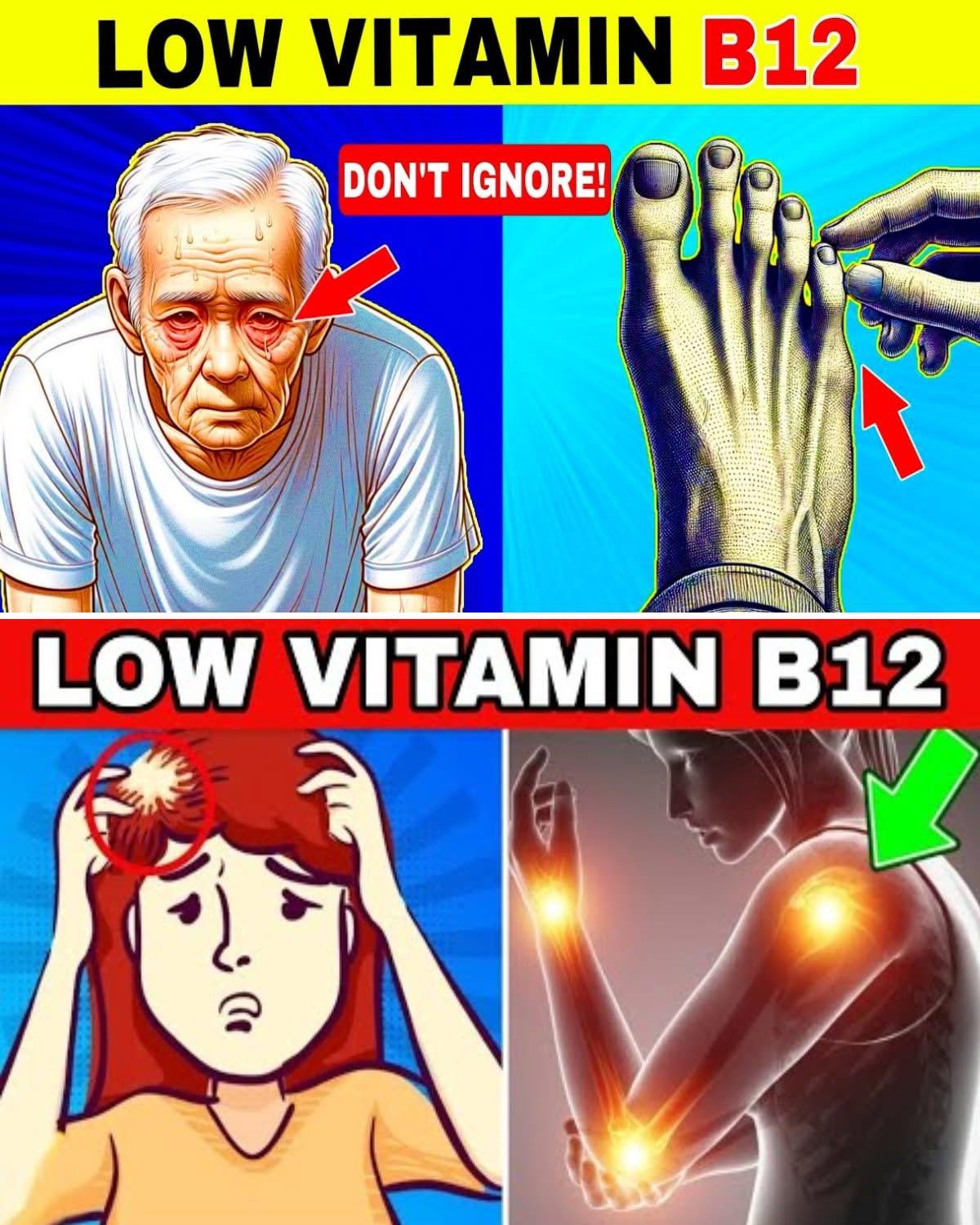
Vitamin deficiencies can often go unnoticed for months or even years, slowly affecting the body in ways that may seem unrelated at first. One of the most commonly overlooked deficiencies is Vitamin B12 deficiency. This essential nutrient plays a vital role in red blood cell formation, nerve health, and DNA production. When your body lacks enough Vitamin B12, it can trigger a wide range of symptoms that should never be ignored.
Many people assume that fatigue or numbness is simply part of aging or stress. However, these symptoms may actually be warning signs that your body is lacking an important nutrient. Recognizing the early signs of Vitamin B12 deficiency can help prevent serious complications such as nerve damage or anemia.
Below are nine urgent signs of Vitamin B12 deficiency that may indicate your body needs attention.
1. Constant Fatigue and Weakness
One of the earliest and most common signs of Vitamin B12 deficiency is persistent tiredness. Vitamin B12 helps produce red blood cells, which carry oxygen throughout the body. When levels are low, the body struggles to deliver enough oxygen to tissues and organs.
This lack of oxygen can leave you feeling exhausted even after a full night’s sleep. Many people also experience muscle weakness, making everyday tasks feel more difficult than usual.
2. Tingling or Numbness in Hands and Feet
Vitamin B12 is crucial for maintaining healthy nerves. When the body lacks this vitamin, nerve damage can begin to occur. This often leads to sensations such as tingling, pins and needles, or numbness in the hands and feet.
If left untreated, this symptom may gradually worsen and interfere with normal movement and coordination.
3. Pale or Yellowish Skin
Another warning sign is unusual skin color. A deficiency in Vitamin B12 can lead to a condition called megaloblastic anemia, where the body produces abnormally large red blood cells that cannot function properly.
As a result, the skin may appear pale or slightly yellow. This happens because damaged red blood cells break down faster, releasing bilirubin, which gives the skin a yellowish tone.
4. Shortness of Breath and Dizziness
When the body cannot produce enough healthy red blood cells, oxygen levels decrease. This can lead to shortness of breath, especially during physical activity.
Some individuals also experience dizziness or lightheadedness. These symptoms may become noticeable when standing up quickly or performing simple tasks like walking upstairs.
5. Memory Problems and Difficulty Concentrating
Vitamin B12 is essential for brain health and cognitive function. A deficiency may cause issues with memory, concentration, and mental clarity.
Some people describe experiencing “brain fog,” where thinking becomes slower and focusing on tasks becomes challenging. In severe cases, long-term deficiency may contribute to cognitive decline.
6. Mood Changes and Depression
Low Vitamin B12 levels may also affect emotional health. The vitamin plays a role in the production of serotonin, a chemical that helps regulate mood.
When serotonin levels drop, individuals may experience mood swings, irritability, anxiety, or even symptoms of depression. These emotional changes are often overlooked as psychological issues rather than nutritional deficiencies.
7. Heart Palpitations
Another possible sign of Vitamin B12 deficiency is a rapid or irregular heartbeat. Since the body is trying to compensate for reduced oxygen levels, the heart may work harder to circulate blood.
This can lead to sensations of fluttering or pounding in the chest, known as heart palpitations.
8. Glossy or Inflamed Tongue
Changes in the tongue can also signal a deficiency. Some individuals develop a smooth, swollen, or inflamed tongue, a condition known as glossitis.
The tongue may appear unusually red and feel sore or sensitive. In some cases, people also notice burning sensations or difficulty tasting certain foods.
9. Vision Problems
Severe Vitamin B12 deficiency can affect the optic nerve, which connects the eyes to the brain. This condition, called optic neuropathy, may cause blurred or disturbed vision.
Although this symptom is less common, it is considered serious and requires immediate medical attention.
Simple Natural Support Drink (Vitamin B12 Friendly Wellness Blend)
While medical advice and proper diagnosis are important, maintaining a balanced diet can help support healthy vitamin levels. Here is a simple nutrient-rich drink that can be added to a healthy routine.
Ingredients
1 cup milk or fortified plant milk
1 tablespoon yogurt
1 teaspoon honey
1 tablespoon ground almonds
½ banana
1 tablespoon nutritional yeast (optional but rich in B vitamins)
Instructions
Add all ingredients to a blender and blend until smooth. Drink in the morning as part of a balanced breakfast. This creamy drink provides protein, healthy fats, and B vitamins that help support energy and nerve health.
Tips for Supporting Healthy Vitamin B12 Levels
• Include foods like eggs, dairy, fish, and fortified cereals in your diet.
• Vegetarians and vegans should consider fortified foods or supplements.
• Adults over 50 may require higher intake because absorption decreases with age.
• Regular health checkups can help detect deficiencies early.
Final Thoughts
Vitamin B12 deficiency is more common than many people realize, especially among older adults, vegetarians, and individuals with digestive disorders. Because the symptoms can develop slowly, they are often mistaken for other health issues.
Paying attention to warning signs such as fatigue, numbness, memory problems, and mood changes can help you identify the problem early. If you notice several of these symptoms, it is important to consult a healthcare professional for proper testing and treatment.
