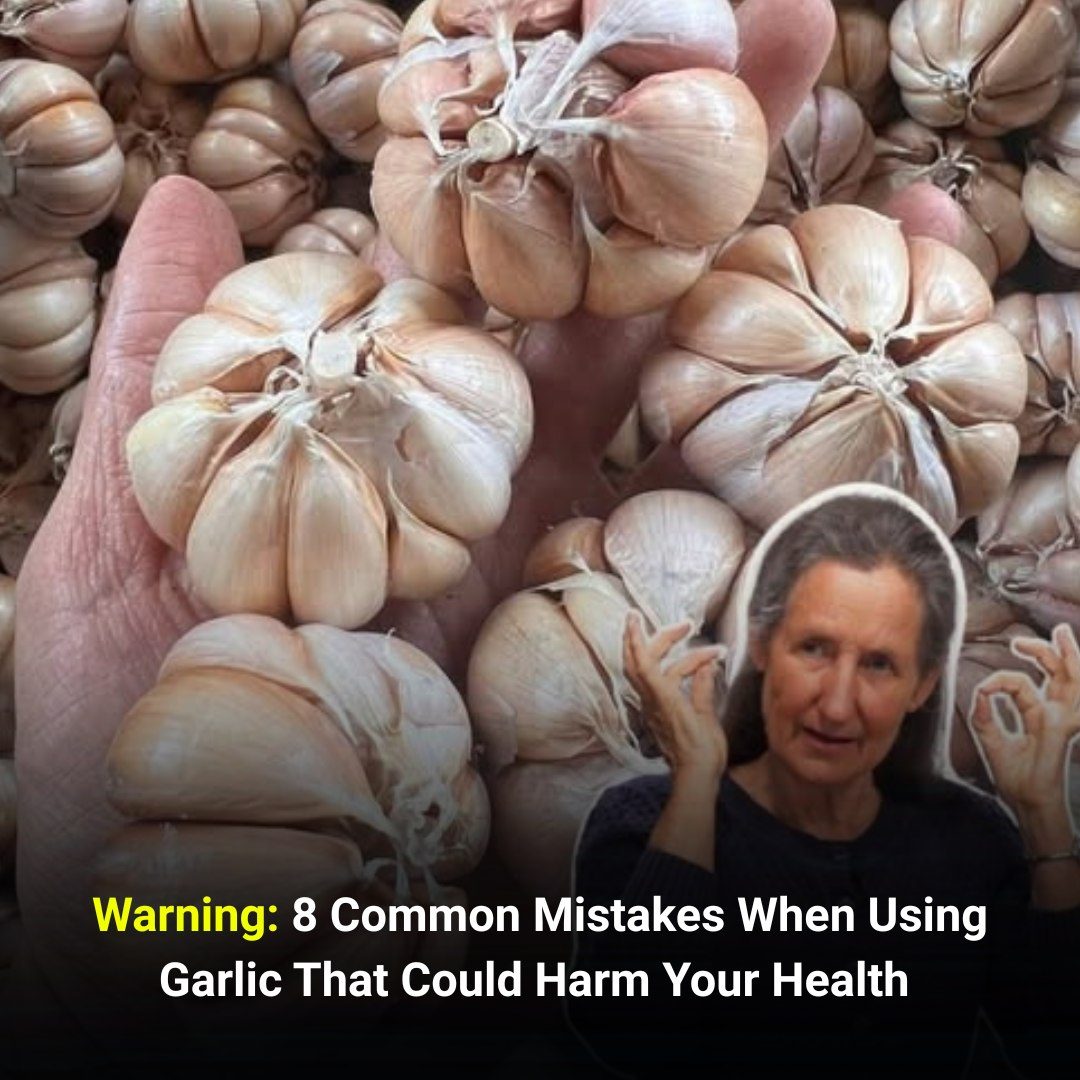
Garlic has been used for centuries as both a flavorful ingredient and a natural remedy. Scientifically known as Allium sativum, garlic is widely praised for its ability to support heart health, strengthen the immune system, and add powerful flavor to countless dishes. It contains beneficial compounds such as Allicin, which is responsible for many of garlic’s health benefits.
However, many people unknowingly use garlic incorrectly. Certain preparation methods or habits can reduce its nutritional value or even cause health issues. Below are eight common garlic mistakes that may harm your health and how to avoid them.
1. Eating Too Much Raw Garlic
Raw garlic is very powerful and concentrated. While it offers many benefits, consuming too much can irritate the digestive system. Large amounts may lead to stomach pain, heartburn, nausea, or gas.
Some people also experience a burning sensation in the mouth or throat after eating raw garlic. This is because compounds like Allicin are extremely potent.
Healthy tip:
Limit raw garlic to 1–2 cloves per day and avoid eating it on an empty stomach if you have a sensitive digestive system.
2. Cooking Garlic at Very High Heat
Garlic loses many of its beneficial compounds when cooked at very high temperatures. The powerful antioxidant Allicin is easily destroyed by excessive heat.
When garlic is fried too long or burned, it not only loses nutrients but also develops a bitter taste.
Healthy tip:
Add garlic toward the end of cooking or sauté it briefly on low heat to preserve its nutrients and flavor.
3. Not Letting Garlic Rest After Chopping
This is a mistake many people make without realizing it. When garlic is chopped or crushed, an enzyme reaction begins that creates the beneficial compound Allicin.
If garlic is cooked immediately after chopping, this reaction may not fully occur.
Healthy tip:
After chopping or crushing garlic, let it sit for 10 minutes before cooking. This allows the healthy compounds to develop fully.
4. Taking Garlic with Certain Medications
Garlic can interact with some medications, especially blood thinners. It may increase the risk of bleeding when combined with drugs like Warfarin.
Garlic supplements may also interfere with medications used for blood pressure, diabetes, or surgery recovery.
Healthy tip:
If you regularly take medications, consult a healthcare professional before consuming large amounts of garlic or garlic supplements.
5. Using Old or Sprouted Garlic
Garlic that has started to sprout is not necessarily dangerous, but it often has a bitter taste and reduced nutritional value. The green shoot inside the clove can cause a sharp, unpleasant flavor in dishes.
Old garlic may also develop mold if stored improperly.
Healthy tip:
Choose garlic bulbs that are firm, dry, and free of green sprouts. Store them in a cool, dry place with good airflow.
6. Storing Garlic Incorrectly
Improper storage can cause garlic to spoil quickly. Keeping garlic in sealed plastic bags or the refrigerator may create moisture, which encourages mold and bacteria growth.
In rare cases, improperly stored garlic in oil may lead to the growth of harmful bacteria associated with Botulism.
Healthy tip:
Store whole garlic bulbs at room temperature in a dry, ventilated container. If garlic is mixed with oil, keep it refrigerated and use it quickly.
7. Ignoring Garlic Allergies or Sensitivity
Although rare, some people are allergic or sensitive to garlic. Symptoms can include skin irritation, digestive discomfort, headaches, or allergic reactions.
Garlic belongs to the same plant family as Allium, which includes onions, leeks, and shallots. People sensitive to one may react to others.
Healthy tip:
If you experience itching, stomach upset, or breathing problems after consuming garlic, stop using it and consult a medical professional.
8. Relying on Garlic as a “Cure-All”
Garlic is healthy, but it is not a miracle cure. Some people believe garlic alone can treat serious conditions like infections, heart disease, or high blood pressure.
While research suggests garlic may support cardiovascular health and immunity, it should never replace professional medical treatment.
Healthy tip:
Use garlic as part of a balanced diet alongside vegetables, fruits, whole grains, and healthy proteins.
Final Thoughts
Garlic is one of the most powerful natural ingredients found in kitchens around the world. The plant Allium sativum contains remarkable compounds that may support heart health, immunity, and overall wellness. However, the way garlic is prepared and consumed makes a significant difference.
Avoiding common mistakes—such as overcooking garlic, eating excessive amounts, or storing it improperly—can help you enjoy its benefits safely. By using garlic correctly, you can enhance both the flavor of your meals and the nutritional value of your diet.
