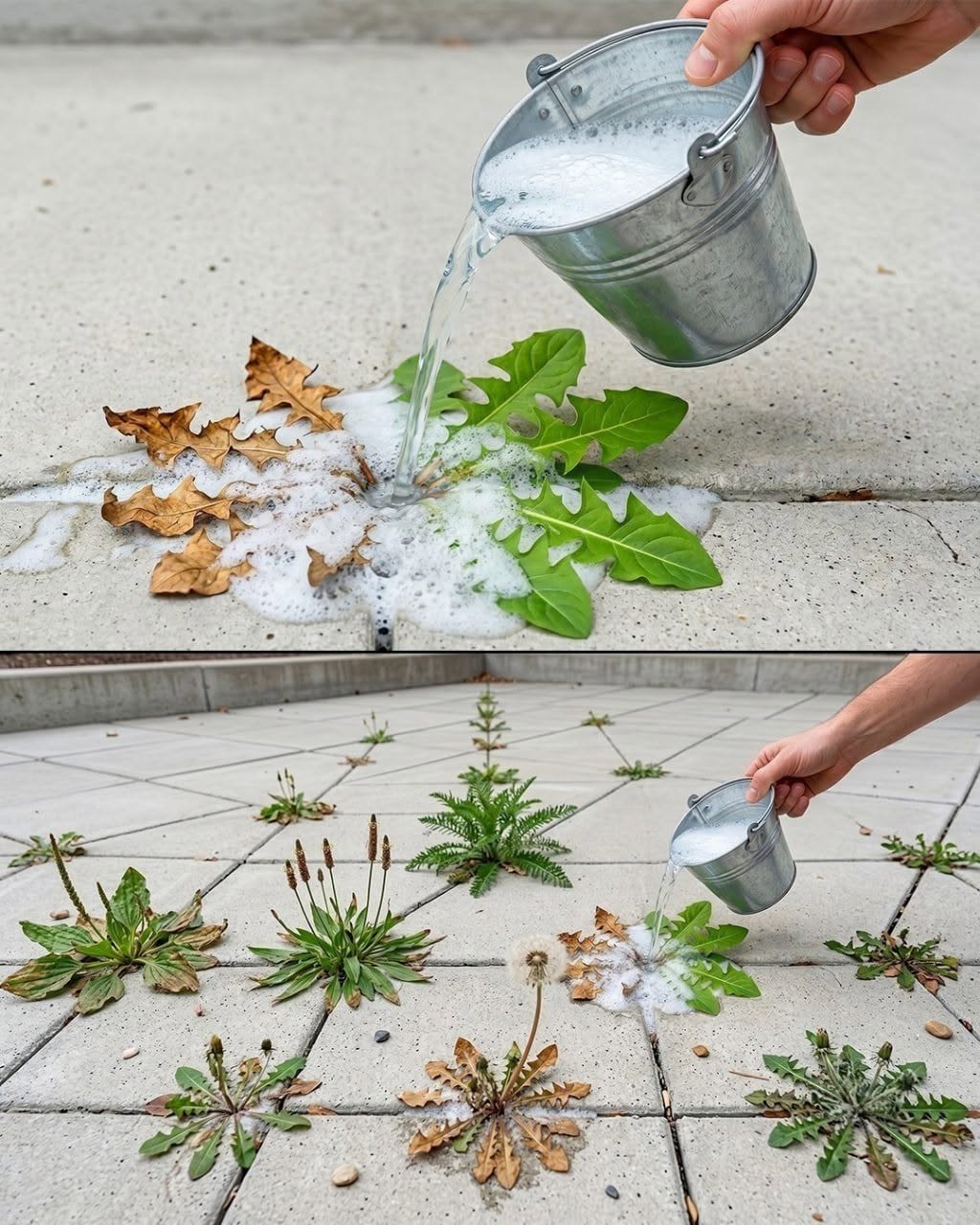
Weeds can quickly take over gardens, driveways, and lawns, competing with your plants for water, nutrients, and sunlight. While many commercial weed killers are effective, they often contain harsh chemicals that may affect the environment, pets, and beneficial plants. Fortunately, there are natural and powerful homemade weed control solutions that can help keep unwanted growth under control without relying on synthetic herbicides.
🚀 Make Money Online – Up to $50 Per Day!
Using simple household ingredients, you can create effective weed-fighting mixtures that target unwanted plants while being more eco-friendly and budget-conscious. In this guide, you’ll learn how to make and use a natural homemade weed control recipe, along with tips to maximize its effectiveness and keep your outdoor spaces looking clean and healthy.
Why Choose Homemade Weed Control?
Many gardeners prefer natural alternatives because they are inexpensive, easy to make, and use ingredients already found in most homes. Homemade weed sprays can help dry out weeds and slow their growth without the need for expensive products.
Benefits include:
- Budget-friendly ingredients
- Quick preparation
- No special equipment required
- Ideal for spot treatment
- Useful for cracks in sidewalks and driveways
Natural Weed Control Recipe
Ingredients
- 1 gallon white vinegar
- 1 cup table salt
- 1 tablespoon liquid dish soap
Supplies
- Large bucket
- Stirring spoon
- Funnel
- Spray bottle or garden sprayer
Instructions
Step 1: Mix the Vinegar and Salt
Pour the white vinegar into a large bucket. Add the salt and stir thoroughly until most of the salt dissolves. This may take several minutes.
Step 2: Add the Dish Soap
Mix in the liquid dish soap. The soap helps the solution stick to the leaves instead of rolling off.
Step 3: Transfer to a Sprayer
Using a funnel, carefully pour the mixture into a spray bottle or garden sprayer.
Step 4: Apply on a Sunny Day
Choose a warm, dry day with no rain in the forecast for at least 24 hours. Spray the weeds thoroughly, coating the leaves completely.
Step 5: Monitor Results
Many weeds begin showing signs of drying within a few hours. Larger or more established weeds may require a second application after several days.
How This Recipe Works
Vinegar
White vinegar contains acetic acid, which helps draw moisture from plant tissues. When sprayed directly on leaves, it can cause weeds to dry out and wilt.
Salt
Salt contributes to the drying effect by reducing moisture availability. It can make it harder for weeds to recover after treatment.
Dish Soap
Dish soap acts as a surfactant, helping the solution cling to plant surfaces for better coverage.
Best Weeds to Treat
This homemade spray is most effective on:
- Young annual weeds
- Dandelion seedlings
- Crabgrass sprouts
- Chickweed
- Small broadleaf weeds
- Weeds growing in pavement cracks
Older weeds with deep root systems may need repeated treatments or manual removal.
Tips for Better Results
Apply During Peak Sunlight
The combination of sunlight and the spray’s drying ingredients can improve effectiveness. Midday applications often work best.
Spray Directly on Weeds
This solution does not distinguish between weeds and desirable plants. Avoid spraying flowers, vegetables, or lawn grass.
Use on Dry Foliage
Wet leaves can dilute the mixture and reduce its effectiveness. Apply when plants are completely dry.
Repeat When Necessary
Some weeds may regrow from roots. Additional applications can help manage persistent growth.
Additional Natural Weed Prevention Methods
Mulching
A thick layer of mulch blocks sunlight from reaching weed seeds. Organic mulches such as wood chips, straw, and shredded leaves can significantly reduce weed growth.
Hand Pulling
Removing weeds by hand remains one of the most effective methods, especially after rain when the soil is soft.
Landscape Fabric
Installing landscape fabric beneath mulch can create an extra barrier against weeds.
Boiling Water
Pouring boiling water directly onto weeds growing in cracks can provide quick results for small infestations.
Regular Maintenance
Inspecting your garden weekly and removing weeds before they produce seeds can prevent larger problems later.
Important Precautions
While this homemade solution uses common household ingredients, it should still be applied carefully.
- Keep away from children and pets until dry.
- Avoid spraying on windy days.
- Do not overspray onto lawns or ornamental plants.
- Use caution near vegetable gardens.
- Wear gloves during mixing and application.
Excessive salt use can affect soil quality over time, so reserve this treatment for targeted weed control rather than widespread spraying.
Frequently Asked Questions
How long does it take to work?
Many weeds begin to wilt within a few hours, with noticeable results appearing within one to three days.
Will it kill roots?
This recipe primarily affects the above-ground portions of weeds. Deep-rooted perennial weeds may regrow and require repeated treatment.
Can I use apple cider vinegar?
White vinegar is generally preferred because it is less expensive and works similarly for weed control.
Is it safe for vegetable gardens?
Use extreme caution. The spray can damage vegetables and other desirable plants if it comes into contact with them.
Final Thoughts
This natural and powerful homemade weed control recipe offers a simple way to manage unwanted plants using everyday household ingredients. The combination of vinegar, salt, and dish soap can help dry out young weeds and keep pathways, patios, and driveways looking neat. For the best long-term results, combine this spray with regular weeding, mulching, and good garden maintenance practices. With consistent use and careful application, you can reduce weeds naturally while maintaining a healthy and attractive outdoor space.
