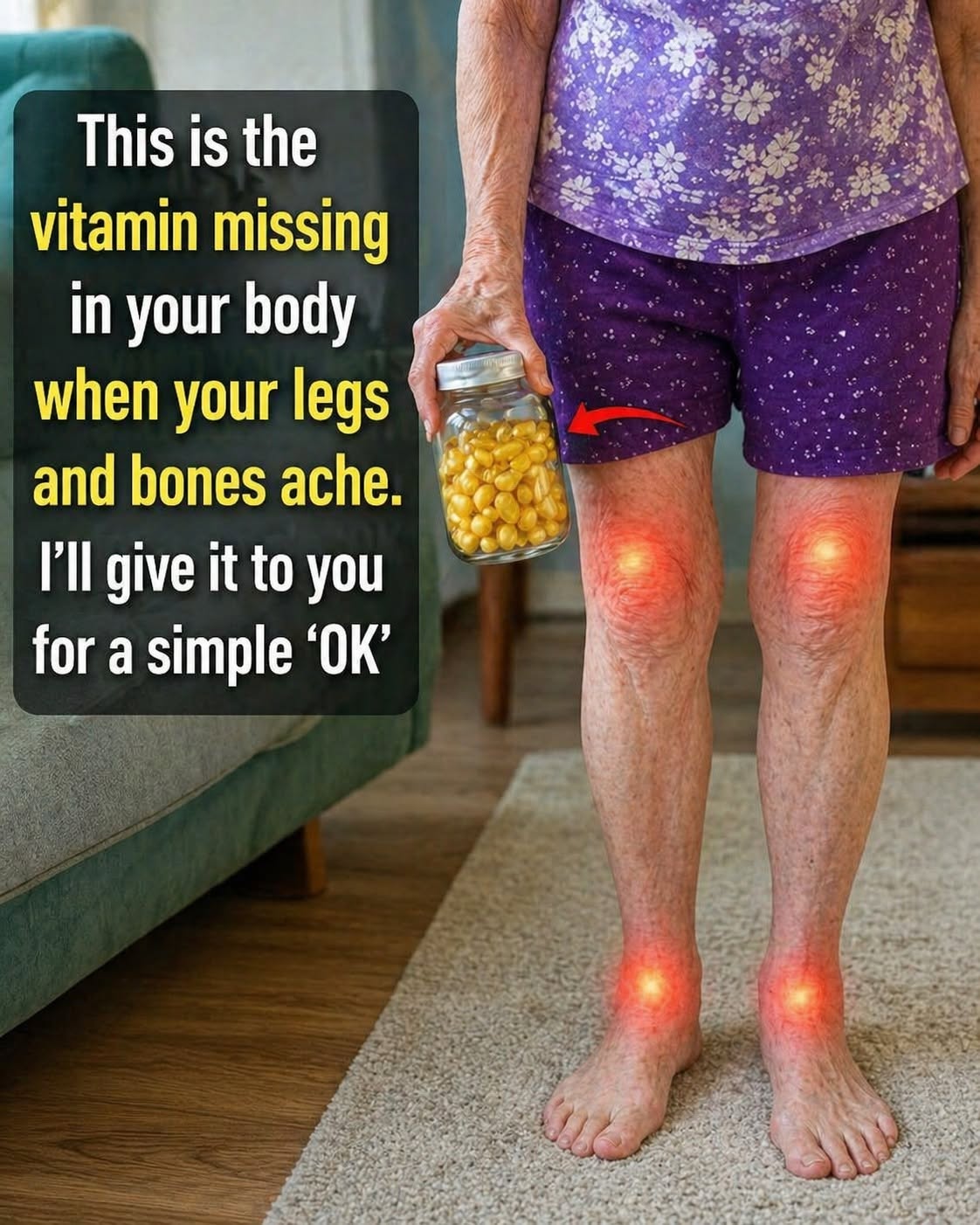
Many people ignore mild hip and leg pain, thinking it comes from aging, long work hours, or simple fatigue. But in some cases, persistent aching in the hips and legs can be your body’s quiet signal that something deeper is going on—especially a possible vitamin or mineral deficiency.
🚀 Make Money Online – Up to $50 Per Day!
While not all pain is related to nutrition, certain deficiencies can strongly influence muscle function, nerve health, and bone strength. Understanding these links can help you support your body more effectively and reduce discomfort naturally.
Why Hip and Leg Pain Happens
Your hips and legs carry most of your body weight every day. They are made up of muscles, joints, bones, and nerves that all depend on proper nutrition to function smoothly.
Aching in these areas can come from:
- Overuse or physical strain
- Poor posture or long sitting hours
- Joint inflammation
- Nerve irritation
- Vitamin and mineral deficiencies
When the pain is frequent or unexplained, nutrition becomes an important factor to consider.
The Key Vitamin Often Linked to Aching Hips and Legs
One of the most commonly connected nutrients to muscle and bone pain is Vitamin D.
Vitamin D plays a major role in:
- Calcium absorption (for strong bones)
- Muscle contraction and strength
- Reducing inflammation
- Supporting nerve communication
When Vitamin D levels drop too low, the body may start showing subtle warning signs—especially in weight-bearing areas like the hips, thighs, and legs.
Signs You Might Be Low in Vitamin D
If your hip and leg pain is linked to a deficiency, you may also notice:
- General muscle weakness
- Bone tenderness or deep aching
- Fatigue even after rest
- Cramping in legs
- Slow recovery after physical activity
- Mood changes or low energy
These symptoms often develop slowly, making them easy to ignore at first.
Why Vitamin D Deficiency Is So Common
Vitamin D deficiency is more common than many people realize, especially in areas where:
- Sun exposure is limited
- People spend most time indoors
- Skin exposure to sunlight is reduced
- Diet lacks fortified foods or fatty fish
Your body naturally produces Vitamin D when sunlight hits your skin, but modern indoor lifestyles can reduce this natural production significantly.
Other Nutrients That May Contribute to Pain
While Vitamin D is the most well-known, several other nutrients also play a role in muscle and joint comfort:
1. Magnesium
Magnesium helps muscles relax properly. Low levels can lead to cramps, tightness, and aching legs.
2. Calcium
Calcium supports bone strength. A deficiency can contribute to bone pain and weakness.
3. Vitamin B12
B12 is essential for nerve health. Low levels may cause tingling, numbness, or leg discomfort.
4. Potassium
Potassium balances fluid and muscle function. Deficiency may lead to cramping and fatigue.
Often, these nutrients work together, meaning a deficiency in one can affect overall muscle performance.
When Hip and Leg Pain Should Not Be Ignored
You should pay closer attention if pain:
- Lasts for more than a few weeks
- Gets worse at night or after rest
- Comes with swelling or stiffness
- Is paired with weakness or numbness
- Limits your daily movement
In these cases, it’s important to look beyond simple fatigue and consider nutritional, muscular, or joint-related causes.
Natural Ways to Support Vitamin Levels
If you suspect your symptoms may be related to Vitamin D or other deficiencies, here are simple lifestyle steps that can help:
Get Safe Sun Exposure
Short daily exposure to sunlight can help your body produce Vitamin D naturally.
Eat Nutrient-Rich Foods
Include foods like:
- Eggs
- Fatty fish (if available)
- Dairy products
- Leafy greens
- Nuts and seeds
Stay Hydrated
Proper hydration supports muscle function and reduces cramping.
Gentle Movement
Light walking, stretching, or yoga improves blood flow and reduces stiffness in hips and legs.
The Importance of Balance
It’s important to remember that hip and leg pain is not always caused by vitamin deficiency. Sometimes it may be related to posture, joint wear, or lifestyle habits.
However, nutrition is one of the easiest factors to improve, and correcting a deficiency can make a noticeable difference in how your body feels.
Final Thoughts
Aching hips and legs can be more than just a sign of tiredness—they can be your body’s way of signaling a nutritional imbalance, especially low Vitamin D levels. Supporting your body with proper sunlight, balanced nutrition, and healthy movement may help reduce discomfort and improve overall energy.
If symptoms persist or worsen, a medical check-up is always the safest step to identify the exact cause.
Your body often speaks in subtle ways—pain is just one of them.
