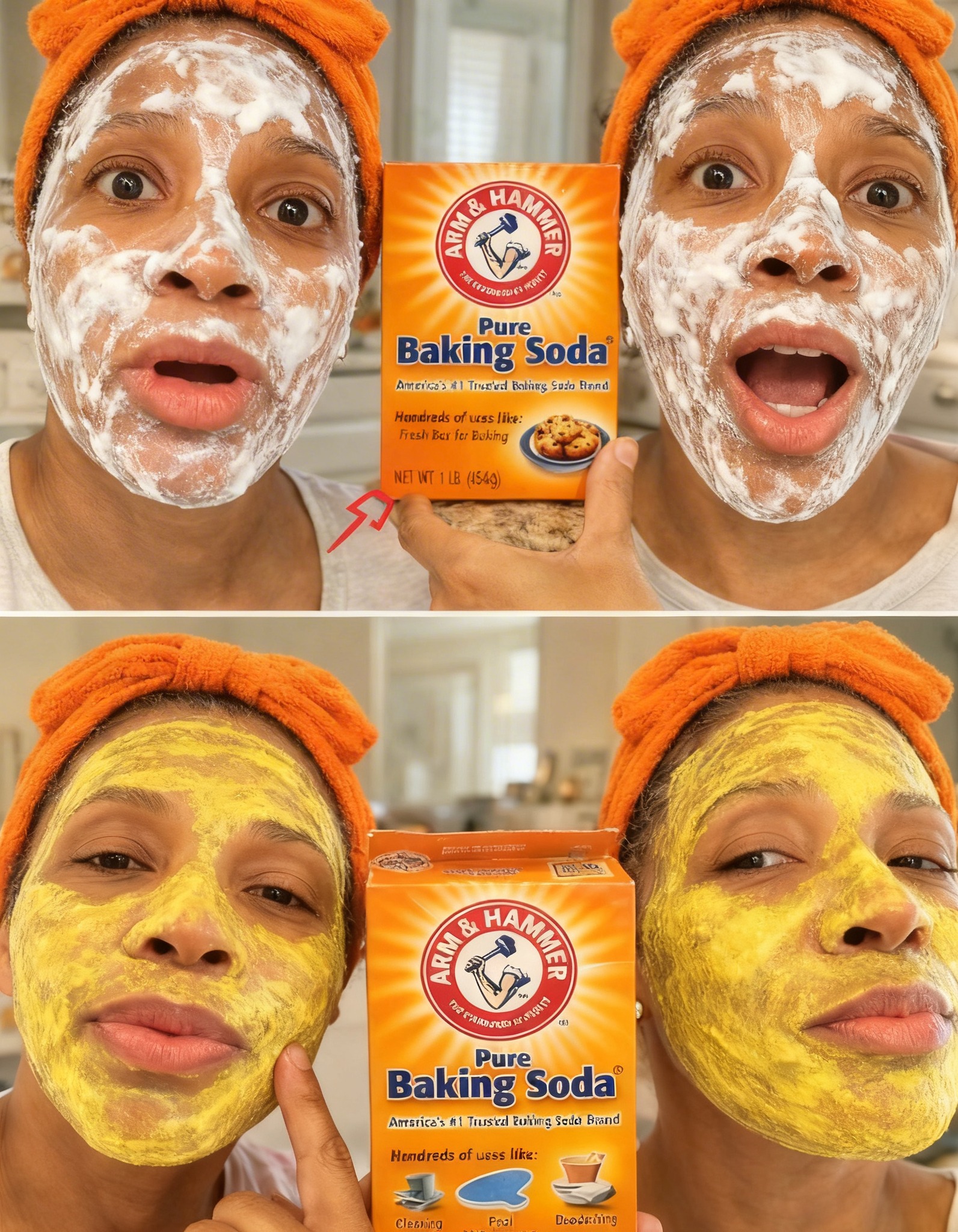
How to Apply Baking Soda on Your Face: 3 Effective Methods
Baking soda (sodium bicarbonate) is a common household ingredient known for its cleansing, exfoliating, and odor-neutralizing properties. In skincare, it is sometimes used as a natural remedy for removing dead skin cells, reducing oiliness, and brightening the complexion. However, it must be used carefully because it is alkaline and can disturb the skin’s natural pH if overused.
🚀 Make Money Online – Up to $50 Per Day!
If you are planning to try baking soda on your face, it is important to use it in safe, diluted forms and only occasionally. Below are three effective methods to apply baking soda on your face safely and properly.
1. Baking Soda and Water Paste (Basic Exfoliating Mask)
This is the simplest and most common method for facial use.
Ingredients:
- 1 teaspoon baking soda
- 1–2 teaspoons water
How to apply:
- Mix baking soda and water to form a smooth, thin paste.
- Wash your face with lukewarm water to open pores.
- Apply the paste gently on your face using your fingertips.
- Massage in circular motions for 20–30 seconds only.
- Leave it on for 1–2 minutes (do not exceed).
- Rinse thoroughly with cool water and apply a moisturizer.
Benefits:
- Removes dead skin cells
- Helps unclog pores
- Makes skin feel smoother
Important Tip:
Do not scrub harshly. Over-exfoliating can cause redness and irritation. Use this method only once a week.
2. Baking Soda and Honey Mask (For Soft and Glowing Skin)
Honey is a natural humectant and has antibacterial properties, making it a great combination with baking soda for gentle skincare.
Ingredients:
- 1 teaspoon baking soda
- 1 tablespoon raw honey
How to apply:
- Mix baking soda and honey until it forms a smooth paste.
- Apply evenly on clean face.
- Leave it on for 10–15 minutes.
- Gently massage in circular motions before rinsing.
- Wash off with lukewarm water and pat dry.
Benefits:
- Hydrates and softens skin
- Helps reduce acne-causing bacteria
- Gives a natural glow
- Mild exfoliation without over-drying
Important Tip:
This mask is gentler than baking soda alone, but still avoid using it more than 1–2 times per week.
3. Baking Soda and Lemon Juice Spot Treatment (For Acne and Dark Spots)
Lemon juice contains vitamin C and natural acids that may help brighten dark spots, while baking soda helps exfoliate.
Ingredients:
- 1 teaspoon baking soda
- A few drops of lemon juice
- Small amount of water (optional for dilution)
How to apply:
- Mix ingredients to form a light paste.
- Apply only on acne spots or dark areas (not full face).
- Leave it for 5–10 minutes maximum.
- Rinse off thoroughly with cool water.
- Apply sunscreen if used during daytime.
Benefits:
- Helps reduce acne spots
- May brighten pigmentation
- Controls excess oil
Important Warning:
Lemon juice can make skin sensitive to sunlight and may cause irritation. Always do a patch test first and avoid using this method on sensitive skin.
General Safety Tips When Using Baking Soda on Face
While baking soda can offer some skincare benefits, it is not suitable for everyone. Here are some important precautions:
- Always do a patch test before full application
- Do not use more than 1–2 times per week
- Avoid if you have sensitive or dry skin
- Always moisturize after use
- Stop immediately if irritation, burning, or redness occurs
Final Thoughts
Baking soda can be a simple and affordable skincare ingredient when used correctly. It helps exfoliate dead skin, control oil, and improve skin texture. However, because it is strong and alkaline, moderation is key. Combining it with soothing ingredients like honey or using it as a light exfoliant can reduce risks and improve results.
Healthy skin is not about harsh treatments but about balance, consistency, and proper care.
