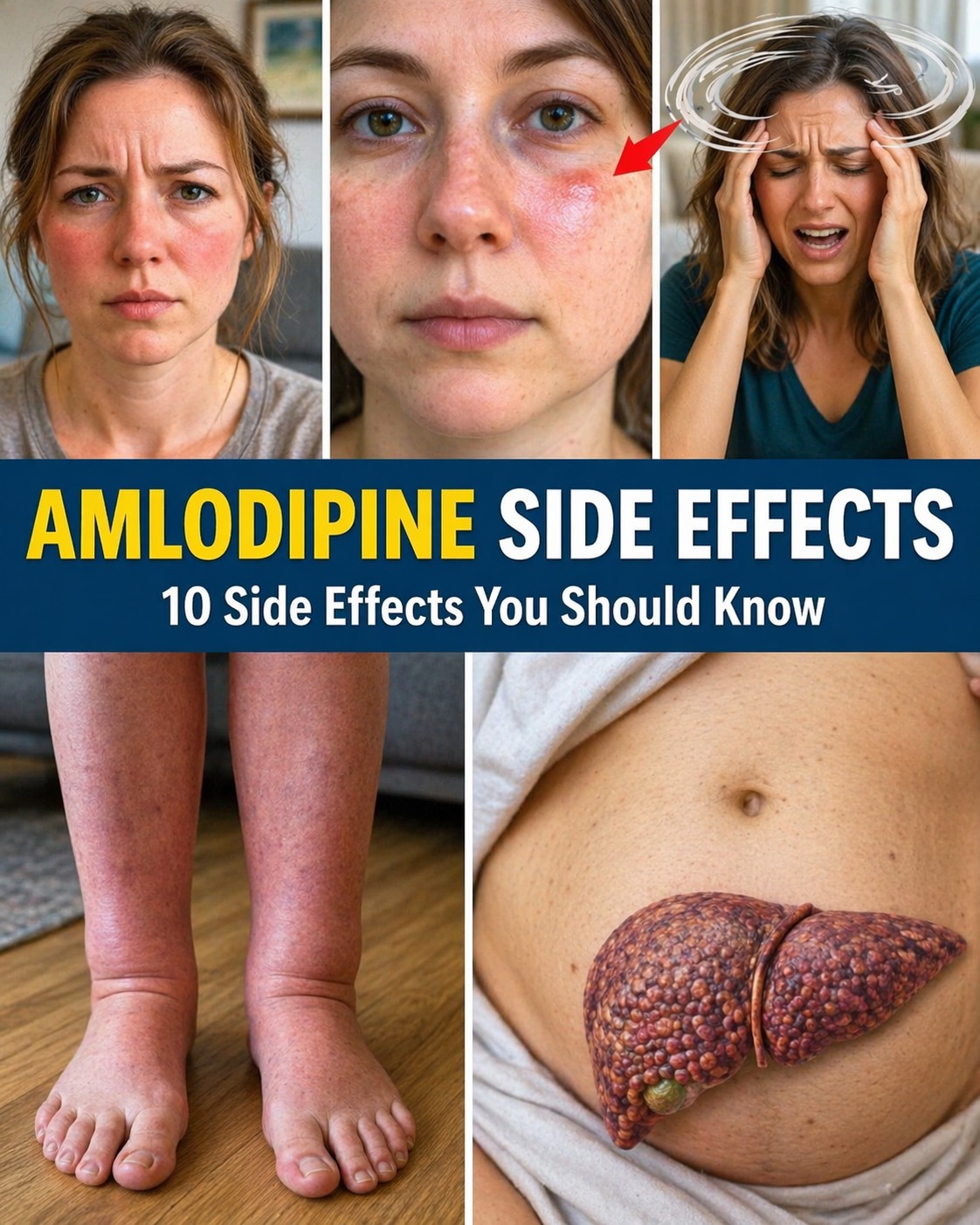
Amlodipine Side Effects You Should Not Ignore Today
Amlodipine is one of the most commonly prescribed medicines for high blood pressure and chest pain. It belongs to a group of drugs called calcium channel blockers, which help relax blood vessels and improve blood flow. For many people, it works very well and helps reduce the risk of heart attack and stroke. However, like all medications, amlodipine can sometimes cause side effects that should never be ignored.
🚀 Make Money Online – Up to $50 Per Day!
Some side effects are mild and temporary, while others may signal a more serious health issue. Knowing the warning signs can help you stay safe and seek medical attention before problems become severe.
Swelling in the Feet and Ankles
One of the most common side effects of amlodipine is swelling, especially in the feet, ankles, or lower legs. This happens because the medicine relaxes blood vessels, allowing fluid to build up in surrounding tissues.
Mild swelling may not be dangerous, but if the swelling becomes painful, severe, or suddenly worsens, it should not be ignored. Difficulty walking, tight skin, or rapid weight gain due to fluid retention may indicate that your body is not responding well to the medication.
If you notice persistent swelling, contact your healthcare provider. They may adjust your dose or recommend another medication.
Fast or Irregular Heartbeat
Although amlodipine is used to support heart health, some people may experience a racing heartbeat, pounding in the chest, or irregular heart rhythms. This can feel frightening and may occur shortly after taking the medicine.
A fast heartbeat that continues for several minutes, especially when combined with dizziness or chest discomfort, requires medical attention. In rare cases, it may indicate that your blood pressure has dropped too low or that your heart is reacting poorly to the medication.
Severe Dizziness or Fainting
Feeling slightly dizzy when starting blood pressure medicine can happen because your blood pressure is lowering. However, extreme dizziness, fainting, or feeling unable to stand properly should never be ignored.
These symptoms may mean your blood pressure has fallen too much. This is especially dangerous for older adults because it increases the risk of falls and injuries.
If you faint or nearly faint after taking amlodipine, seek medical advice immediately.
Chest Pain That Gets Worse
Some people may notice worsening chest pain after beginning amlodipine treatment. Although rare, this can happen when the body adjusts to changes in blood flow.
Chest pain should always be taken seriously. If the pain feels intense, spreads to the arm or jaw, or comes with sweating or shortness of breath, emergency care may be needed because it could signal a heart problem.
Never assume chest pain is “normal” when taking heart medication.
Shortness of Breath
Trouble breathing is another side effect that should not be ignored. If you suddenly feel short of breath while resting or doing light activity, it could be related to fluid buildup or heart strain.
Breathing problems combined with swelling or chest tightness require urgent medical evaluation. In some situations, these symptoms may point to heart failure or another serious condition.
Allergic Reactions
Although uncommon, allergic reactions to amlodipine can occur. Signs may include:
- Rash or hives
- Severe itching
- Swelling of the face, lips, or tongue
- Difficulty breathing
An allergic reaction can become life-threatening very quickly. Seek emergency medical help immediately if these symptoms appear.
Extreme Fatigue and Weakness
Many people feel a little tired when starting blood pressure medication, but overwhelming fatigue is different. If you constantly feel weak, exhausted, or unable to complete normal daily activities, your body may not be tolerating the medicine well.
Extreme tiredness may also be linked to low blood pressure or poor circulation. It is important to discuss these symptoms with your doctor instead of simply trying to “push through” them.
Stomach Pain or Nausea
Digestive issues such as nausea or mild stomach discomfort can happen with amlodipine. However, severe stomach pain, persistent vomiting, or yellowing of the skin or eyes could point to liver-related problems.
While rare, liver complications are possible and should be checked immediately by a healthcare professional.
Gum Problems
A lesser-known side effect of amlodipine is gum swelling or overgrowth. Some people notice tender, enlarged gums that bleed more easily while brushing.
Good dental hygiene may help reduce this issue, but severe gum changes should be discussed with both your dentist and doctor.
When to Call a Doctor
You should contact a healthcare provider if you experience:
- Severe swelling
- Fainting or extreme dizziness
- Irregular heartbeat
- Chest pain
- Difficulty breathing
- Severe weakness
- Allergic reactions
Never stop taking amlodipine suddenly without medical advice, as this may cause your blood pressure to rise dangerously.
Final Thoughts
Amlodipine helps millions of people manage high blood pressure and heart conditions successfully. Most side effects are mild and manageable, but certain symptoms should never be ignored. Paying attention to your body and acting quickly when unusual symptoms appear can protect your health and prevent serious complications.
Always take your medication exactly as prescribed and attend regular checkups so your doctor can monitor how well the treatment is working for you
