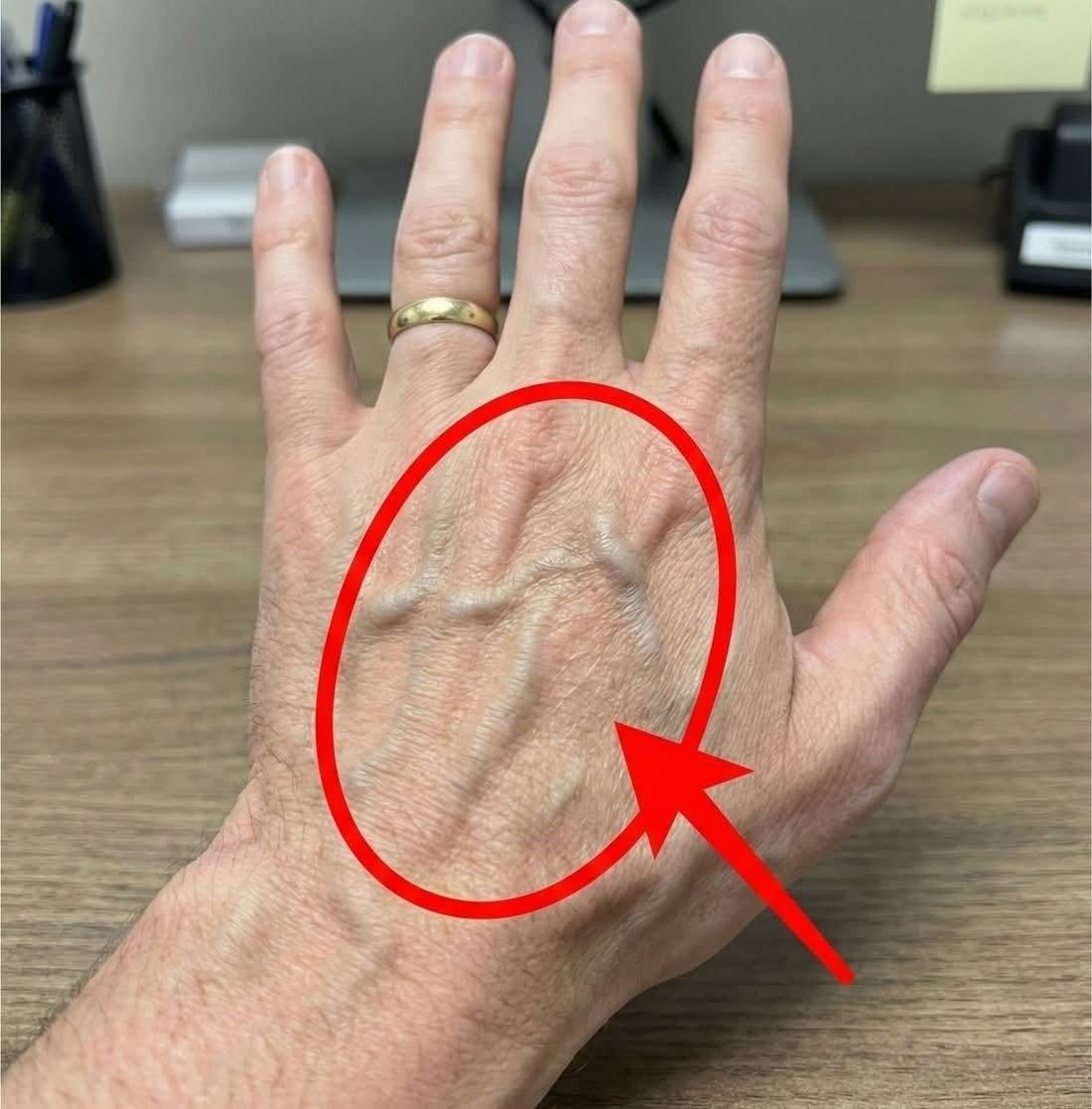
If you have visible veins, it doesn’t automatically mean something is wrong—in fact, in many cases, it’s a completely normal and even healthy sign. However, depending on the context, visible veins can sometimes reflect underlying factors related to body composition, circulation, or lifestyle. Understanding what visible veins mean can help you better interpret your body’s signals and know when to pay closer attention.
🚀 Make Money Online – Up to $50 Per Day!
Visible veins are typically those that can be easily seen beneath the skin, often appearing bluish or greenish. They are most commonly noticed on the hands, arms, legs, and sometimes the chest. For many people, especially those with lighter or thinner skin, veins are naturally more noticeable. This is because there is less tissue covering them, making them easier to see.
One of the most common reasons for visible veins is low body fat. When your body fat percentage is lower, there is less fat between your skin and your veins, making them stand out more. This is why athletes, bodybuilders, and physically active individuals often have very prominent veins. In this context, visible veins can actually indicate good physical fitness and muscle definition.
Another factor is skin thickness. As people age, their skin tends to become thinner and loses some of its elasticity. This can make veins more visible over time, especially on the hands and arms. While this is a natural part of aging, it doesn’t necessarily indicate poor health.
Genetics also play a major role. Some people are simply born with more visible veins due to inherited traits such as skin tone, vein size, or how close veins are positioned to the surface of the skin. If your parents or family members have visible veins, chances are you might have them too.
Temperature can also affect how visible your veins appear. In warmer conditions, your blood vessels expand (a process called vasodilation) to help regulate body temperature. This expansion can make veins more noticeable. That’s why you might see your veins pop out more after a hot shower or during exercise.
Exercise itself is another major reason for visible veins. When you work out, your muscles require more oxygen and nutrients, which increases blood flow. This causes your veins to expand and become more prominent temporarily. Over time, regular exercise can make veins appear more consistently visible due to improved circulation and muscle growth.
Hydration levels can also influence vein visibility. When you are well-hydrated, your blood volume is optimal, and veins may appear fuller. On the other hand, dehydration can sometimes make veins look more pronounced due to reduced plasma volume, although this effect varies from person to person.
While visible veins are often harmless, there are certain situations where they might indicate a medical concern. For example, if veins suddenly become much more prominent, painful, swollen, or twisted, it could be a sign of conditions like varicose veins or vascular issues. Varicose veins occur when valves inside the veins weaken, causing blood to pool and veins to enlarge. These are more common in the legs and can sometimes cause discomfort or aching.
Another condition to watch for is poor circulation. However, visible veins alone do not mean you have poor circulation. In fact, people with good circulation often have well-functioning veins that may be more visible. Poor circulation usually comes with additional symptoms such as numbness, cold extremities, swelling, or fatigue in the limbs.
Hormonal changes can also influence vein appearance. For example, during pregnancy, increased blood volume and hormonal shifts can make veins more noticeable, especially in the legs and abdomen. This is usually temporary and resolves after childbirth.
If you’re concerned about your visible veins, there are a few simple steps you can take. Maintaining a healthy lifestyle with regular exercise, proper hydration, and a balanced diet supports good vascular health. Avoid prolonged sitting or standing, as this can affect blood flow, especially in the legs. Elevating your legs occasionally and wearing compression stockings (if recommended) can also help improve circulation.
It’s also important to monitor any changes. If your veins become painful, swollen, or change color, or if you notice symptoms like skin ulcers or persistent discomfort, it’s best to consult a healthcare professional. Early evaluation can help rule out any underlying issues and provide peace of mind.
In conclusion, having visible veins usually means your body is functioning normally and can even be a sign of fitness, low body fat, or genetic traits. While they can sometimes be associated with medical conditions, this is typically accompanied by other noticeable symptoms. Paying attention to your overall health and any changes in your body will help you determine whether your visible veins are simply a natural feature—or something that needs further attention.
