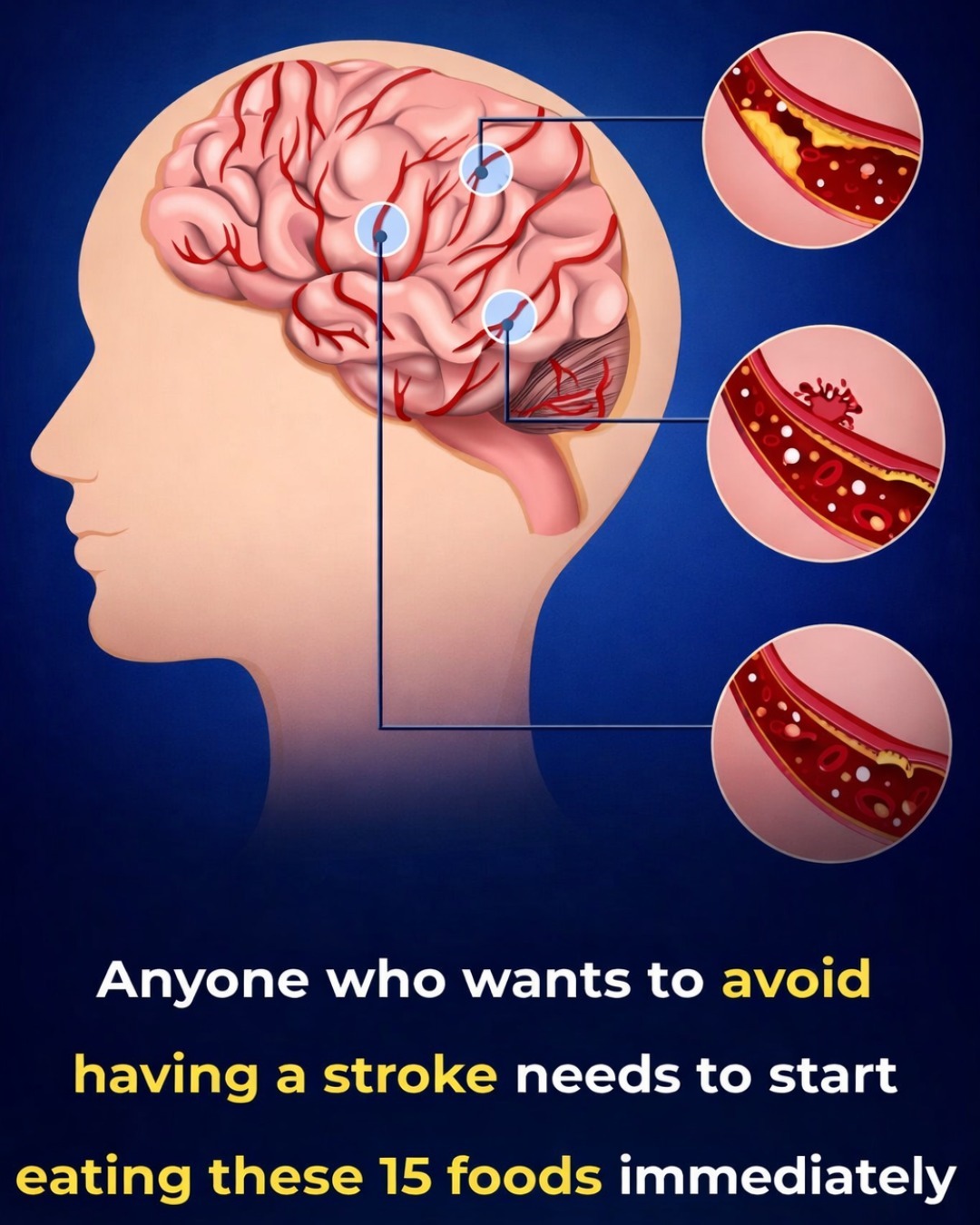
Preventing a stroke isn’t just about avoiding risk—it’s about actively nourishing your body with foods that support healthy blood vessels, balanced cholesterol levels, and proper circulation. Diet plays a powerful role in reducing stroke risk, and incorporating the right foods into your daily meals can make a meaningful difference. Here are 15 foods you should consider adding to your routine, along with simple ideas on how to enjoy them.
🚀 Make Money Online – Up to $50 Per Day!
Leafy green vegetables like spinach, kale, and Swiss chard are among the most important foods for stroke prevention. They are rich in nitrates, which help lower blood pressure and improve artery function. Try adding a handful of spinach to your morning omelet or blending kale into a smoothie with fruit for a nutrient-packed start to your day.
Berries, especially blueberries, strawberries, and raspberries, are loaded with antioxidants called flavonoids. These compounds help reduce inflammation and protect blood vessels. A simple recipe is to mix fresh berries with yogurt and a drizzle of honey for a heart-healthy snack or dessert.
Fatty fish such as salmon, mackerel, and sardines provide omega-3 fatty acids, which are essential for reducing inflammation and preventing blood clots. Aim to eat fatty fish at least twice a week. You can bake salmon with lemon, garlic, and olive oil for a quick and flavorful meal.
Whole grains like oats, brown rice, and quinoa are high in fiber, which helps lower cholesterol levels and maintain steady blood sugar. Start your morning with oatmeal topped with fruit and nuts, or use quinoa as a base for a vegetable bowl.
Nuts and seeds, including almonds, walnuts, chia seeds, and flaxseeds, are excellent sources of healthy fats, protein, and fiber. A small handful each day can support heart health. Sprinkle chia seeds over yogurt or add crushed walnuts to salads for extra crunch and nutrition.
Avocados are rich in monounsaturated fats that help reduce bad cholesterol levels. They also contain potassium, which supports healthy blood pressure. Spread mashed avocado on whole-grain toast and top with tomatoes and a pinch of salt for a simple, satisfying meal.
Beans and legumes such as lentils, chickpeas, and black beans are packed with fiber and plant-based protein. They help regulate blood sugar and cholesterol. You can prepare a hearty lentil soup with vegetables and spices for a filling, stroke-preventive dish.
Citrus fruits like oranges, lemons, and grapefruits are high in vitamin C and flavonoids, which support blood vessel health. Enjoy fresh orange slices as a snack or add lemon juice to water for a refreshing drink.
Tomatoes are rich in lycopene, an antioxidant linked to reduced stroke risk. Cooking tomatoes can enhance lycopene absorption, so consider making a simple tomato sauce with garlic and olive oil to serve over whole-grain pasta.
Olive oil is a cornerstone of heart-healthy diets. It contains antioxidants and healthy fats that reduce inflammation and improve cholesterol levels. Use extra virgin olive oil as your primary cooking oil or drizzle it over salads and vegetables.
Garlic has natural compounds that help lower blood pressure and improve circulation. Adding fresh garlic to your meals—whether in soups, sauces, or stir-fries—can provide both flavor and health benefits.
Dark chocolate, when consumed in moderation, contains flavonoids that may improve blood flow and reduce stroke risk. Choose chocolate with at least 70% cocoa and enjoy a small piece as an occasional treat.
Green tea is rich in catechins, powerful antioxidants that support cardiovascular health. Replacing sugary beverages with green tea can be a simple step toward reducing stroke risk.
Bananas are an excellent source of potassium, which helps regulate blood pressure. They make a convenient snack or can be sliced over cereal or blended into smoothies.
Finally, yogurt—especially low-fat or Greek yogurt—provides calcium, potassium, and probiotics that support overall health. Pair it with fruits and seeds for a balanced and delicious meal.
A simple daily meal plan might include oatmeal with berries and chia seeds for breakfast, a quinoa salad with vegetables and olive oil for lunch, a handful of nuts as a snack, and baked salmon with leafy greens and tomatoes for dinner. Small, consistent choices like these can significantly lower your risk of stroke over time.
