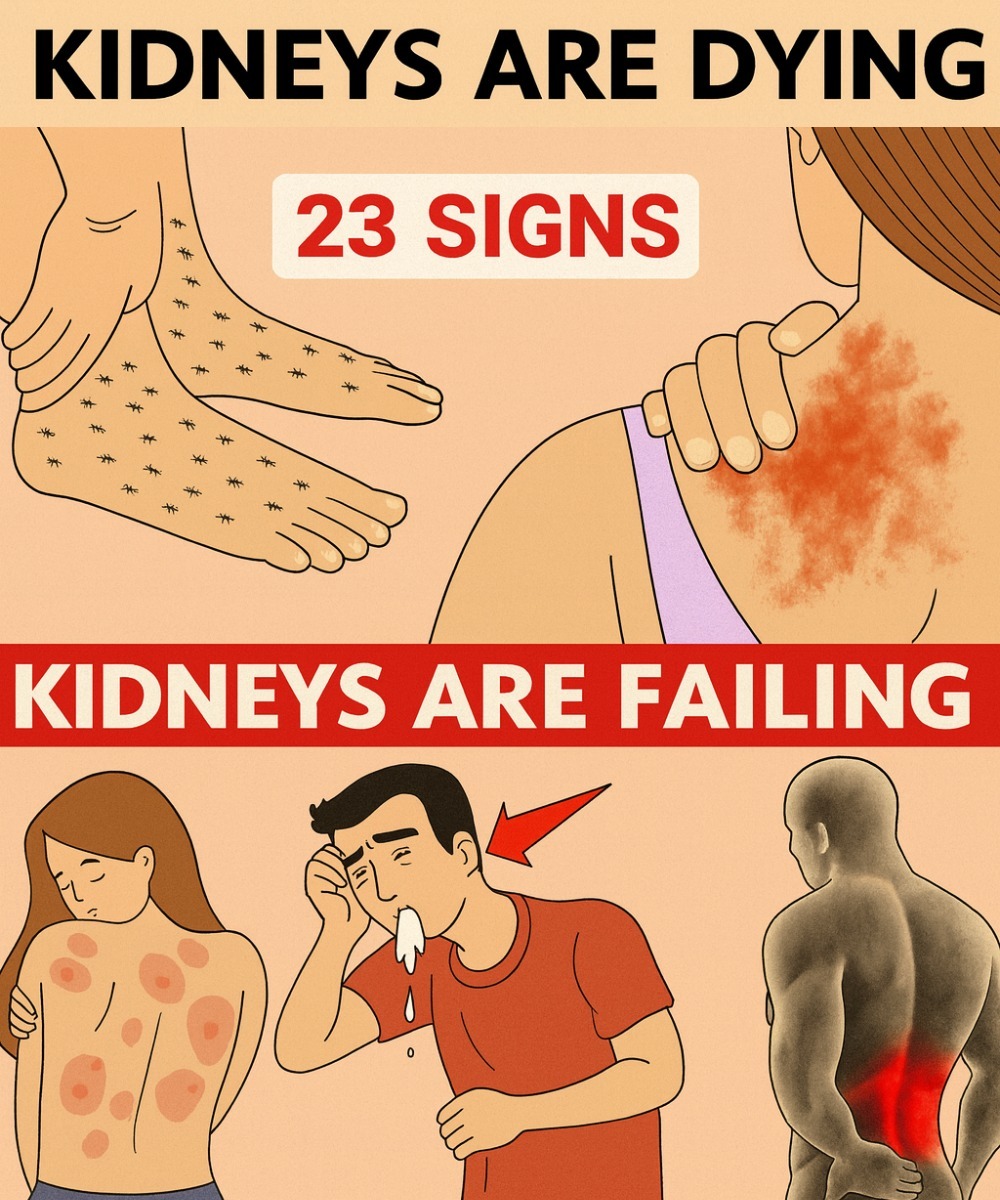
Kidney disease is often called a “silent condition” because many of its early symptoms are subtle, unusual, or easy to ignore. Your kidneys play a crucial role in filtering waste, balancing fluids, and regulating essential minerals. When they start to struggle, your body may send signals—but not always the obvious ones you’d expect.
🚀 Make Money Online – Up to $50 Per Day!
Here are 23 strange and often overlooked signs that could point to kidney trouble.
1. Constant Fatigue
Feeling unusually tired even after a full night’s sleep can be a sign your kidneys aren’t filtering toxins properly. Waste buildup in the blood can drain your energy.
2. Trouble Concentrating
If you’re finding it hard to focus or feeling mentally foggy, it might be due to reduced oxygen delivery caused by kidney-related anemia.
3. Dry and Itchy Skin
Your kidneys help maintain mineral balance. When they fail, skin can become dry, irritated, and persistently itchy.
4. Metallic Taste in Mouth
A strange metallic taste or bad breath (often described as ammonia-like) can occur due to toxin buildup in the bloodstream.
5. Swollen Ankles and Feet
Fluid retention is a classic sign, but it often starts subtly—like slightly tight shoes or puffiness at the end of the day.
6. Puffy Eyes
Persistent puffiness around the eyes, especially in the morning, can indicate protein leakage due to kidney damage.
7. Frequent Urination at Night
Waking up multiple times to urinate may be an early sign your kidneys aren’t concentrating urine properly.
8. Foamy Urine
Excess bubbles or foam in urine can indicate protein loss, a key warning sign of kidney issues.
9. Muscle Cramps
Electrolyte imbalances—especially low calcium or high phosphorus—can cause frequent muscle cramps.
10. Loss of Appetite
A sudden lack of interest in food may result from toxin accumulation affecting your digestive system.
11. Nausea and Vomiting
As waste builds up, it can irritate the stomach, leading to frequent nausea or even vomiting.
12. Cold Sensitivity
Feeling cold all the time, even in warm environments, may be linked to anemia caused by kidney dysfunction.
13. Shortness of Breath
Fluid buildup in the lungs or anemia can make breathing feel more difficult than usual.
14. Headaches
High blood pressure, often associated with kidney disease, can lead to recurring headaches.
15. Changes in Urine Color
Dark, pale, or reddish urine can all indicate potential kidney problems.
16. Back Pain
Pain near the lower back or sides (where the kidneys are located) may signal inflammation or infection.
17. Ammonia-Like Breath
Toxins not being filtered properly can cause a strong, unpleasant smell in the breath.
18. Difficulty Sleeping
Toxin buildup can disrupt sleep patterns, making it harder to fall or stay asleep.
19. Restless Legs
An uncomfortable urge to move your legs, especially at night, can be linked to kidney-related mineral imbalances.
20. Tingling in Hands and Feet
Nerve issues caused by toxin accumulation can lead to numbness or tingling sensations.
21. High Blood Pressure
Kidneys help regulate blood pressure. When they’re damaged, hypertension often follows—or worsens.
22. Sudden Weight Changes
Unexplained weight gain (from fluid retention) or loss (from poor appetite) can both occur.
23. Bad Skin Complexion
A dull, grayish, or unhealthy skin tone may result from waste buildup in the blood.
Why These Signs Matter
The tricky part about kidney disease is that these symptoms can easily be mistaken for other conditions or everyday stress. Many people ignore them until the disease has progressed significantly.
Early detection is key. When caught early, kidney disease can often be managed through lifestyle changes, diet, and proper medical care.
What You Can Do
If you notice several of these signs, it’s important to take them seriously. Here are a few simple steps:
- Stay hydrated, but don’t overdo it
- Reduce salt and processed foods
- Monitor blood pressure regularly
- Avoid overuse of painkillers
- Get routine blood and urine tests
Final Thoughts
Your body has a unique way of signaling when something isn’t right. While these symptoms may seem minor or unrelated, together they can paint a bigger picture of your kidney health.
