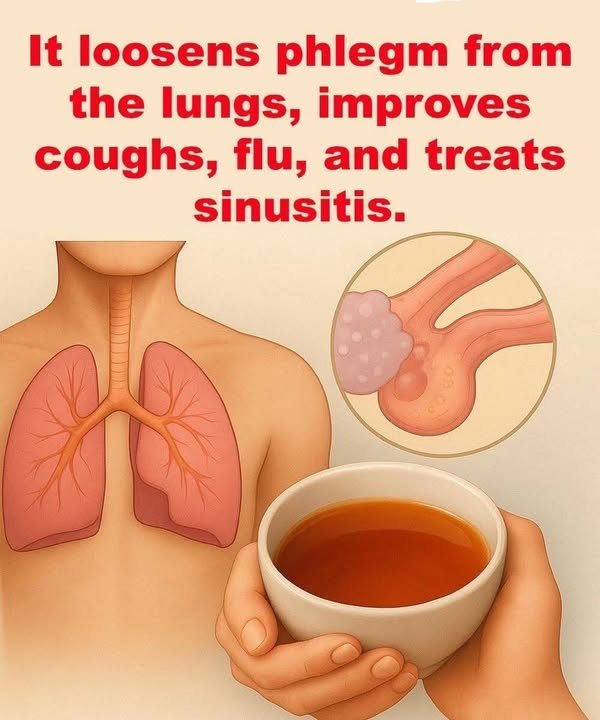
Excess phlegm and mucus can be uncomfortable, causing throat irritation, coughing, congestion, and difficulty breathing. While mucus is a natural defense mechanism that traps dust, bacteria, and allergens, too much of it can signal infections, allergies, or lifestyle factors. Fortunately, there are several simple and effective home remedies you can try to reduce mucus buildup and feel more comfortable. Here are 10 proven remedies to help you get rid of excess phlegm and mucus.
🚀 Make Money Online – Up to $50 Per Day!
1. Stay Hydrated
Drinking plenty of fluids is one of the easiest and most effective ways to thin mucus. Warm liquids such as water, herbal teas, clear broths, and warm lemon water help loosen thick phlegm, making it easier to expel. Aim for at least 8–10 glasses of fluids daily, and increase intake when you’re sick.
2. Steam Inhalation
Steam therapy helps moisturize dry nasal passages and loosen mucus. Boil water, pour it into a bowl, and inhale the steam by covering your head with a towel. Adding a few drops of eucalyptus or peppermint oil can enhance the effect. Do this for 5–10 minutes once or twice daily for relief.
3. Gargle with Salt Water
Salt water gargling is a classic remedy that helps soothe a sore throat and break down mucus. Mix half a teaspoon of salt in a glass of warm water and gargle for 30 seconds before spitting it out. Repeat this 2–3 times a day.
4. Use Honey and Warm Water
Honey has natural antibacterial and soothing properties. Mix one tablespoon of honey in warm water or herbal tea and drink it once or twice daily. It helps coat the throat and reduce irritation caused by mucus.
5. Try Ginger Tea
Ginger is known for its anti-inflammatory and antimicrobial properties. Slice fresh ginger, boil it in water for 10 minutes, and drink it as tea. You can add honey or lemon for taste. Ginger helps reduce mucus production and eases congestion.
6. Eat Spicy Foods
Spices like chili peppers, black pepper, and garlic can help thin mucus and promote drainage. Including moderate amounts of spicy foods in your diet may provide temporary relief from nasal congestion and phlegm buildup.
7. Humidify Your Environment
Dry air can worsen mucus production and irritation. Using a humidifier adds moisture to the air, helping keep your respiratory tract hydrated. This is especially helpful during winter or in air-conditioned environments.
8. Avoid Dairy (If It Worsens Symptoms)
Some people find that dairy products can thicken mucus, although scientific evidence is mixed. If you notice increased phlegm after consuming milk, cheese, or yogurt, consider reducing your intake temporarily to see if symptoms improve.
9. Practice Controlled Coughing
Instead of frequent, harsh coughing, try controlled coughing to effectively clear mucus. Sit upright, take a deep breath, and cough firmly from your abdomen. This helps expel mucus without irritating your throat further.
10. Use Turmeric Milk (Golden Milk)
Turmeric contains curcumin, a compound with powerful anti-inflammatory and antimicrobial properties. Add half a teaspoon of turmeric to a cup of warm milk and drink it before bedtime. This can help reduce mucus and improve sleep quality.
Bonus Tips:
- Avoid smoking and exposure to pollutants, as they can increase mucus production.
- Get enough rest to support your immune system.
- Wash your hands frequently to prevent infections.
- Elevate your head while sleeping to prevent mucus accumulation in the throat.
When to See a Doctor
While these remedies are effective for mild cases, persistent or excessive mucus may indicate an underlying condition such as sinus infection, asthma, or chronic bronchitis. Seek medical attention if your symptoms last more than 10 days, are accompanied by high fever, or include thick green or bloody mucus.
In conclusion, managing excess phlegm and mucus doesn’t always require medication. Simple lifestyle changes and natural remedies can significantly reduce discomfort and help your body recover. By staying hydrated, using steam therapy, and incorporating healing foods like ginger and turmeric into your diet, you can keep your respiratory system clear and healthy.
