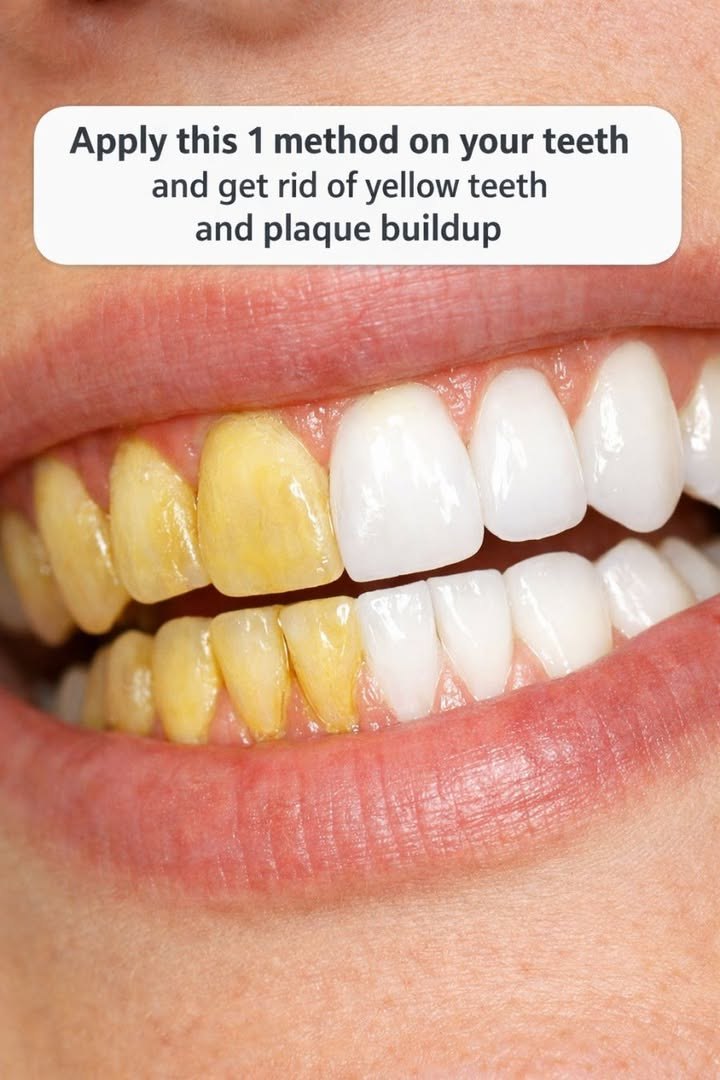
A simple, natural method to help reduce yellowing and plaque buildup on your teeth is using a gentle baking soda and coconut oil paste. This approach is popular because it combines mild abrasion with antibacterial properties, helping clean the surface of teeth without harsh chemicals. While it’s not a miracle cure and won’t replace professional dental care, it can noticeably improve the appearance of your teeth when used consistently and correctly.
🚀 Make Money Online – Up to $50 Per Day!
To prepare this mixture, you only need two ingredients: baking soda and coconut oil. Take one teaspoon of baking soda and mix it with enough coconut oil to form a smooth, paste-like consistency. The coconut oil should slightly soften the baking soda so it spreads easily on your toothbrush. You can also add a drop of peppermint oil if you want a fresher taste, but that’s optional.
Before applying the paste, rinse your mouth with water to remove any loose debris. Then dip your toothbrush into the mixture and gently brush your teeth using small circular motions. Avoid brushing too hard—this is very important. Baking soda is mildly abrasive, which helps scrub away surface stains, but excessive pressure can damage your enamel over time. Focus on all surfaces of your teeth, especially areas where plaque tends to accumulate, such as along the gumline and between teeth.
Brush with the mixture for about one to two minutes. After that, spit it out and rinse your mouth thoroughly with water. You can follow up with your regular toothpaste if you prefer, but it’s not strictly necessary every time. For best results, use this method two to three times per week. Using it more frequently could wear down enamel, so moderation is key.
The reason this method works lies in the properties of its ingredients. Baking soda, also known as sodium bicarbonate, is a mild abrasive that helps remove surface stains caused by coffee, tea, smoking, or certain foods. It also has alkaline properties, which can help neutralize acids in the mouth and create an environment that’s less favorable for harmful bacteria. Coconut oil, on the other hand, contains compounds like lauric acid that have antimicrobial effects. It can help reduce bacteria that contribute to plaque formation and bad breath.
Over time, this combination can make your teeth appear cleaner and slightly whiter by removing external stains and reducing plaque buildup. However, it’s important to understand its limitations. This method primarily targets surface stains—it won’t change the natural color of your teeth or remove deep, intrinsic discoloration. For more significant whitening, professional treatments or dentist-approved products may be necessary.
In addition to using this paste, maintaining good oral hygiene habits is essential. Brush your teeth at least twice a day with fluoride toothpaste, floss daily to remove plaque from between teeth, and drink plenty of water to help wash away food particles and bacteria. Limiting stain-causing foods and drinks, such as coffee, tea, and sugary snacks, can also make a noticeable difference.
Another helpful practice is oil pulling, which involves swishing a tablespoon of coconut oil in your mouth for about 10–15 minutes before brushing. This can further reduce bacteria and improve overall oral cleanliness. While oil pulling alone won’t whiten teeth dramatically, it can complement the baking soda paste method as part of a broader routine.
It’s also important to be cautious and listen to your body. If you experience sensitivity, irritation, or discomfort while using the baking soda mixture, reduce the frequency or stop altogether. People with sensitive teeth or weakened enamel should consult a dentist before trying abrasive methods like this.
Lastly, don’t skip regular dental checkups. Even the best home remedies can’t replace professional cleaning and examination. Dentists have the tools and expertise to remove hardened plaque (tartar) and identify potential issues early, ensuring your teeth and gums stay healthy.
