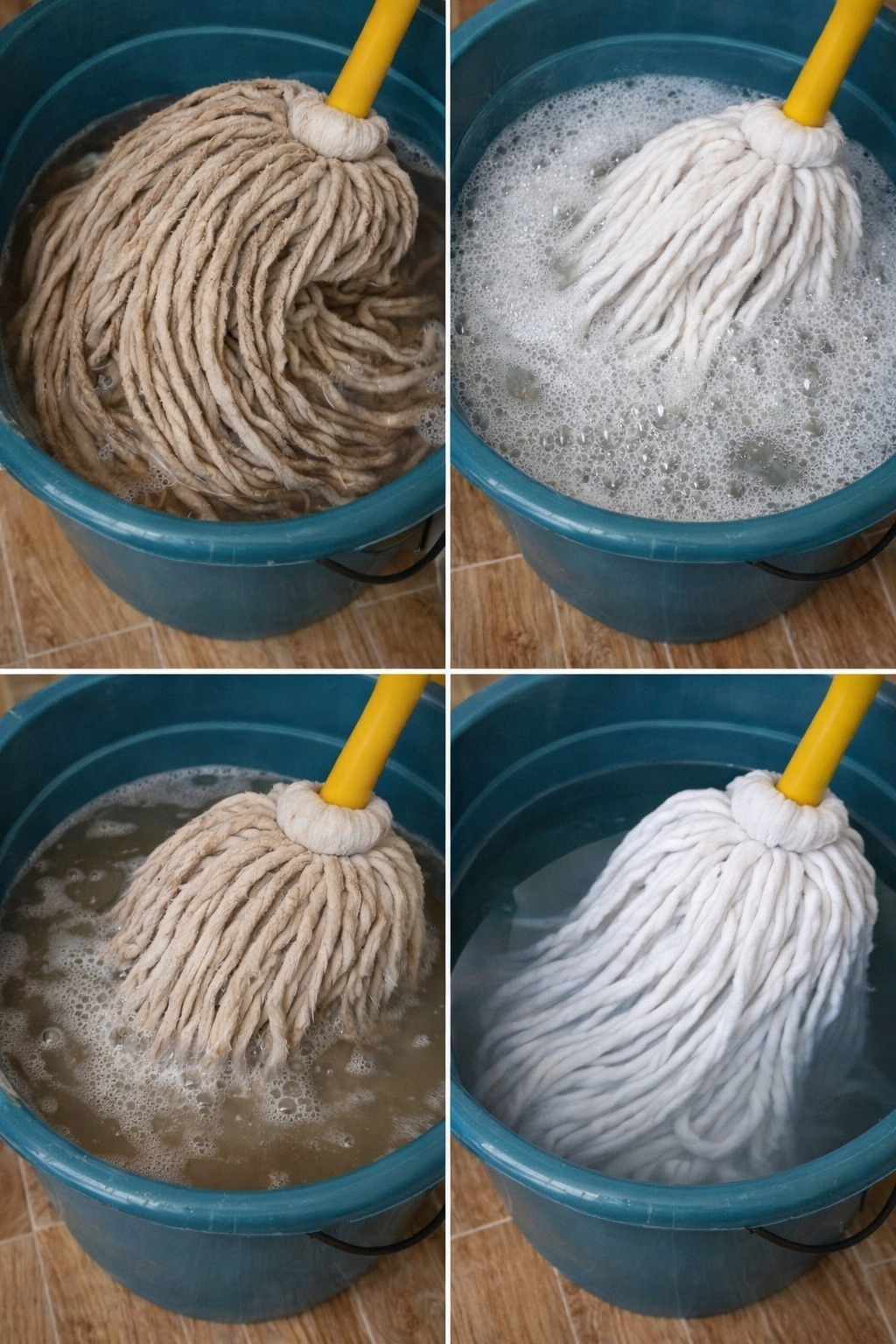
A dirty mop is one of the most overlooked cleaning tools in the home. Ironically, the very item we use to clean our floors can become a breeding ground for bacteria, foul odors, and grime buildup if not properly maintained. Many people reach a point where they think, “This mop is too dirty—time to throw it away.” But what if you could restore it to nearly new condition using just one simple ingredient?
🚀 Make Money Online – Up to $50 Per Day!
The secret lies in a powerful, natural cleaner you probably already have in your kitchen: white vinegar. Combined with a few basic steps, this affordable ingredient can break down dirt, kill odor-causing bacteria, and revive your mop in no time.
Let’s dive into this easy, effective method that will save you money and keep your home cleaner.
Why Mops Get So Dirty
Over time, mops accumulate layers of dirt, grease, detergent residue, and even bacteria. Each time you clean your floors, you’re transferring debris from one surface to another. If the mop isn’t thoroughly cleaned afterward, it becomes saturated with grime.
Common reasons your mop gets extremely dirty include:
- Not rinsing it properly after use
- Using it repeatedly without deep cleaning
- Cleaning heavily soiled floors
- Leaving it damp, which encourages bacterial growth
A neglected mop doesn’t just smell bad—it can actually spread germs instead of removing them.
The Magic Ingredient: White Vinegar
White vinegar is a natural disinfectant and deodorizer. Its acidic properties help dissolve mineral deposits, grease, and bacteria. It’s also eco-friendly and safe to use around the home.
Benefits of using vinegar include:
- Kills odor-causing bacteria
- Breaks down stubborn dirt and grime
- Removes detergent buildup
- Restores freshness
Step-by-Step Mop Cleaning Method
Here’s how to bring your dirty mop back to life:
Step 1: Shake Off Loose Dirt
Before soaking, take your mop outside and shake or tap it to remove loose debris like dust, hair, or crumbs.
Step 2: Prepare the Cleaning Solution
Fill a bucket with hot water and add:
- 1 cup of white vinegar
- (Optional) 1 tablespoon of baking soda for extra cleaning power
Mix gently. You may notice slight fizzing if baking soda is added—that’s normal.
Step 3: Soak the Mop
Place the mop head into the solution and let it soak for 30–60 minutes. This allows the vinegar to penetrate deep into the fibers and loosen dirt.
Step 4: Scrub (If Needed)
If the mop is extremely dirty, use a brush or your hands (with gloves) to gently scrub the fibers.
Step 5: Rinse Thoroughly
Rinse the mop under clean running water until all dirt and vinegar smell are gone.
Step 6: Dry Properly
Hang the mop in a well-ventilated area to air dry completely. Avoid leaving it damp, as moisture promotes bacteria growth.
Extra Tips for Best Results
- For washable mop heads: You can place them in the washing machine with hot water and a cup of vinegar.
- Add lemon juice: This boosts freshness and leaves a pleasant scent.
- Use regularly: Clean your mop after every few uses to prevent buildup.
- Avoid harsh chemicals: They can damage mop fibers over time.
Common Mistakes to Avoid
Even with a simple method, some mistakes can reduce effectiveness:
- Not soaking long enough
- Using cold water instead of hot
- Skipping the drying step
- Overloading with detergent instead of using vinegar
Keeping things simple often yields the best results.
Why This Method Works
The acidity of vinegar (acetic acid) breaks down alkaline substances like soap residue and grime. It also disrupts the cell structure of many bacteria, helping to eliminate odors at their source.
Unlike expensive cleaning products, vinegar offers a natural and affordable solution that’s been trusted for generations.
When to Replace Your Mop
While this method is highly effective, there are times when replacement is necessary. Consider getting a new mop if:
- The fibers are falling apart
- There’s permanent staining that won’t come out
- It still smells after deep cleaning
Otherwise, regular maintenance can extend the life of your mop significantly.
Final Thoughts
A dirty mop doesn’t have to mean buying a new one. With just a drop (or cup!) of white vinegar, you can transform your old, smelly mop into a fresh, clean tool ready to tackle your floors again.
This simple, natural cleaning trick not only saves money but also helps maintain a healthier home environment. Once you try it, you might never look at your mop the same way again.
