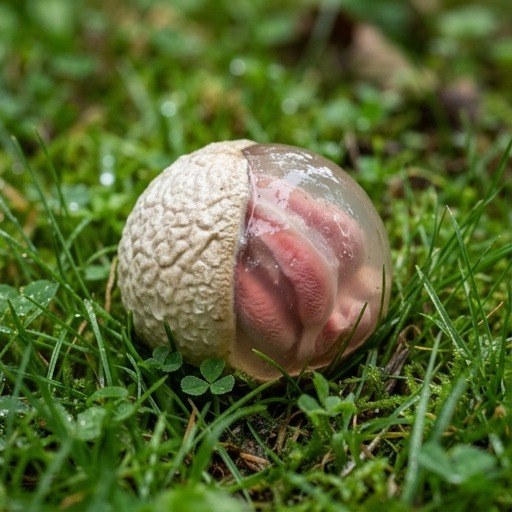
At first glance, it looked like something out of a nightmare—a slimy, reddish creature pushing its way up through the soil, glistening in the morning light. Its surface appeared wet and almost fleshy, and the smell… the smell was unbearable. It hit like a wave of decay, strong and nauseating, the kind that makes you instinctively step back and cover your nose.
🚀 Make Money Online – Up to $50 Per Day!
If you’ve ever encountered something like this in your garden, you’re not alone. And despite how alarming it may seem, what you’ve found is most likely not a creature at all—but a type of fungus known for its bizarre appearance and foul odor.
A Shocking Discovery
Gardeners often expect to find insects, worms, or even the occasional frog hiding among their plants. But discovering something that looks alive—yet doesn’t move—and smells like rotting flesh can be deeply unsettling. Many people initially assume it’s a dead animal or some kind of dangerous organism.
The truth, however, is both less frightening and more fascinating.
This strange growth is commonly known as a “stinkhorn” fungus. It gets its name from both its shape and its incredibly strong odor, which resembles decaying meat or sewage. The smell is not accidental—it plays a crucial role in the fungus’s life cycle.
Why Does It Smell So Bad?
Unlike typical mushrooms that release spores into the air, stinkhorn fungi rely on insects to spread. The foul odor attracts flies and other scavenging insects, tricking them into thinking they’ve found a food source.
When the insects land on the slimy surface, they pick up spores on their legs and bodies. As they move on, they carry those spores to new locations, helping the fungus reproduce and spread.
It’s a clever, if somewhat disgusting, survival strategy.
The Appearance: Alien and Unsettling
Stinkhorn fungi often begin as small, egg-like structures hidden just beneath the soil. At this stage, they can go unnoticed or be mistaken for something harmless. But once they mature, they rapidly expand into strange, often phallic or tentacle-like shapes.
The reddish or orange coloration, combined with the slimy coating and pungent smell, makes them one of the most visually disturbing organisms you might encounter in a garden. Some varieties even resemble sea creatures or alien forms, adding to their eerie reputation.
Are They Dangerous?
The good news is that stinkhorn fungi are not dangerous to humans, pets, or plants. They do not bite, sting, or spread disease. While their smell can be overwhelming, they are completely harmless.
In fact, they play an important role in the ecosystem. Like many fungi, stinkhorns help break down organic matter such as decaying wood, mulch, and plant debris. This process returns nutrients to the soil, improving its health and fertility over time.
So while they may be unpleasant to encounter, they’re actually doing beneficial work in your garden.
Why Did It Appear in Your Garden?
Stinkhorn fungi thrive in moist, organic-rich environments. If your garden has recently been watered heavily, experienced rainfall, or contains mulch, compost, or decaying wood, you’ve created the perfect conditions for them to grow.
They often appear suddenly, sometimes overnight, which adds to the shock factor. One day your garden looks normal, and the next, this strange, smelly growth has emerged.
Warm temperatures and humidity can also encourage their rapid development.
Can You Get Rid of Them?
If the sight or smell of stinkhorn fungi bothers you, there are ways to manage them.
The most effective method is simply removing them by hand—preferably while wearing gloves. Be sure to remove the entire structure, including the base, before it has a chance to spread spores further.
You can also reduce the likelihood of future growth by:
- Removing excess mulch or replacing old mulch with fresh material
- Improving drainage in overly wet areas
- Clearing away decaying organic matter
- Avoiding overwatering your garden
Keep in mind, however, that fungi are a natural part of the soil ecosystem. Even with careful maintenance, they may occasionally return.
A Lesson from Nature
While your initial reaction may have been horror or disgust, encountering something like this can also be a reminder of how diverse and surprising nature can be. Not everything that looks frightening is harmful.
In fact, many of the most unusual organisms serve important ecological roles that often go unnoticed.
The stinkhorn fungus is a perfect example—repulsive at first glance, yet incredibly efficient and beneficial beneath the surface.
Final Thoughts
Finding a slimy, foul-smelling “creature” in your garden can be an unforgettable experience. But once you understand what it really is, the fear tends to fade, replaced by curiosity.
So the next time you come across one of these bizarre growths, take a moment before reaching for the shovel. What seems like something out of a horror story might just be nature doing its job in the most unexpected way.
