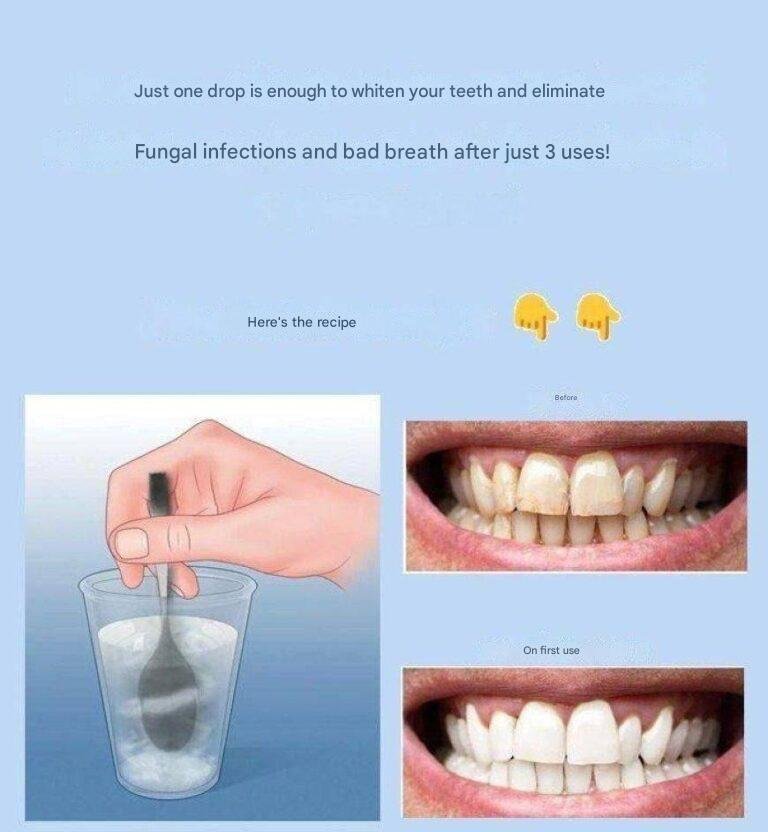
A bright, white smile is often associated with health, confidence, and good hygiene. However, over time, many people develop tartar buildup and tooth discoloration due to diet, lifestyle habits, and inconsistent oral care. While professional dental cleanings remain the most effective way to remove hardened tartar, there are simple, natural methods you can use at home to help reduce buildup and gently whiten your teeth.
🚀 Make Money Online – Up to $50 Per Day!
This guide explores a safe, simple recipe along with practical tips to improve your oral health naturally.
What Is Tartar and Why Does It Form?
Tartar, also known as dental calculus, forms when plaque—a sticky film of bacteria—hardens on your teeth. If plaque isn’t removed through regular brushing and flossing, it mineralizes and becomes tartar, which firmly attaches to the tooth surface.
Common causes include:
- Poor oral hygiene
- Frequent consumption of sugary or starchy foods
- Smoking or tobacco use
- Drinking coffee, tea, or soda regularly
Once tartar forms, it cannot be removed by brushing alone. However, certain home remedies can help slow its buildup and reduce staining.
A Simple Natural Recipe for Cleaner, Whiter Teeth
This easy-to-make mixture uses ingredients commonly found at home. It helps reduce surface stains, freshen breath, and support oral hygiene.
Ingredients:
- 1 tablespoon baking soda
- ½ teaspoon salt
- A few drops of water (to form a paste)
- Optional: 1–2 drops of lemon juice
How to Prepare and Use
- In a small bowl, mix baking soda and salt.
- Add a few drops of water to create a thick paste.
- If desired, add a drop or two of lemon juice (but not too much, as it is acidic).
- Dip your toothbrush into the paste.
- Gently brush your teeth for 1–2 minutes.
- Rinse thoroughly with water.
Use this remedy no more than 2–3 times per week to avoid damaging tooth enamel.
How This Recipe Works
Baking Soda
Baking soda is a mild abrasive that helps scrub away surface stains. It also neutralizes acids in the mouth, which can reduce bacterial growth.
Salt
Salt acts as a natural disinfectant and can help reduce bacteria in the mouth. It also provides a gentle scrubbing effect.
Lemon Juice (Optional)
Lemon juice contains natural acids that may help lighten stains. However, excessive use can weaken enamel, so it should be used sparingly.
Additional Tips to Prevent Tartar and Whiten Teeth
While this recipe can help, long-term results depend on daily habits. Here are some important practices:
1. Brush Properly Twice a Day
Use a fluoride toothpaste and brush for at least two minutes. Make sure to clean along the gumline where tartar often forms.
2. Floss Daily
Flossing removes plaque and food particles from between teeth where a toothbrush cannot reach.
3. Stay Hydrated
Drinking water helps wash away food particles and bacteria, reducing plaque formation.
4. Limit Staining Foods and Drinks
Reduce consumption of:
- Coffee
- Tea
- Red wine
- Sugary snacks
If you do consume them, rinse your mouth afterward.
5. Eat Crunchy Fruits and Vegetables
Foods like apples, carrots, and celery can help naturally clean teeth and stimulate saliva production.
6. Use Mouthwash
An antibacterial mouthwash can help reduce plaque and freshen breath.
Important Safety Notes
- This remedy does not remove hardened tartar completely. Professional dental cleaning is still necessary for that.
- Overuse of abrasive ingredients like baking soda can wear down enamel.
- Lemon juice should be used cautiously due to its acidity.
- If you have sensitive teeth or gum issues, consult a dentist before trying home remedies.
When to See a Dentist
Even with the best home care, regular dental visits are essential. You should see a dentist if you notice:
- Yellow or brown hardened deposits on teeth
- Bleeding gums
- Persistent bad breath
- Tooth sensitivity or pain
Professional cleanings can safely remove tartar and prevent gum disease.
Final Thoughts
This simple natural recipe can be a helpful addition to your oral care routine when used correctly and in moderation. While it may not replace professional dental treatments, it can support cleaner teeth, reduce minor stains, and improve overall freshness.
Remember, the key to a healthy, white smile lies in consistency—daily brushing, flossing, mindful eating, and regular dental checkups all work together. By combining these habits with occasional natural remedies, you can maintain strong, bright teeth and a confident smile for years to come.
