🚀 Make Money Online – Up to $50 Per Day!
Butter is a staple ingredient in many kitchens, known for its rich flavor, creamy texture, and versatility in both cooking and baking. Most people store butter in the refrigerator to extend its shelf life, but a common question arises: can you freeze butter? The answer is yes—freezing butter is not only possible, but it is also an excellent way to preserve it for long periods without compromising its quality. Understanding how to properly freeze and use butter can help you save money, reduce waste, and always have this essential ingredient on hand.
Freezing butter is surprisingly simple. Butter is made primarily of fat, which freezes very well. Unlike many other dairy products that may separate or change texture when frozen, butter maintains its structure and flavor quite effectively. Whether salted or unsalted, both types can be frozen successfully. In fact, butter can last up to 6–12 months in the freezer, depending on how well it is stored.
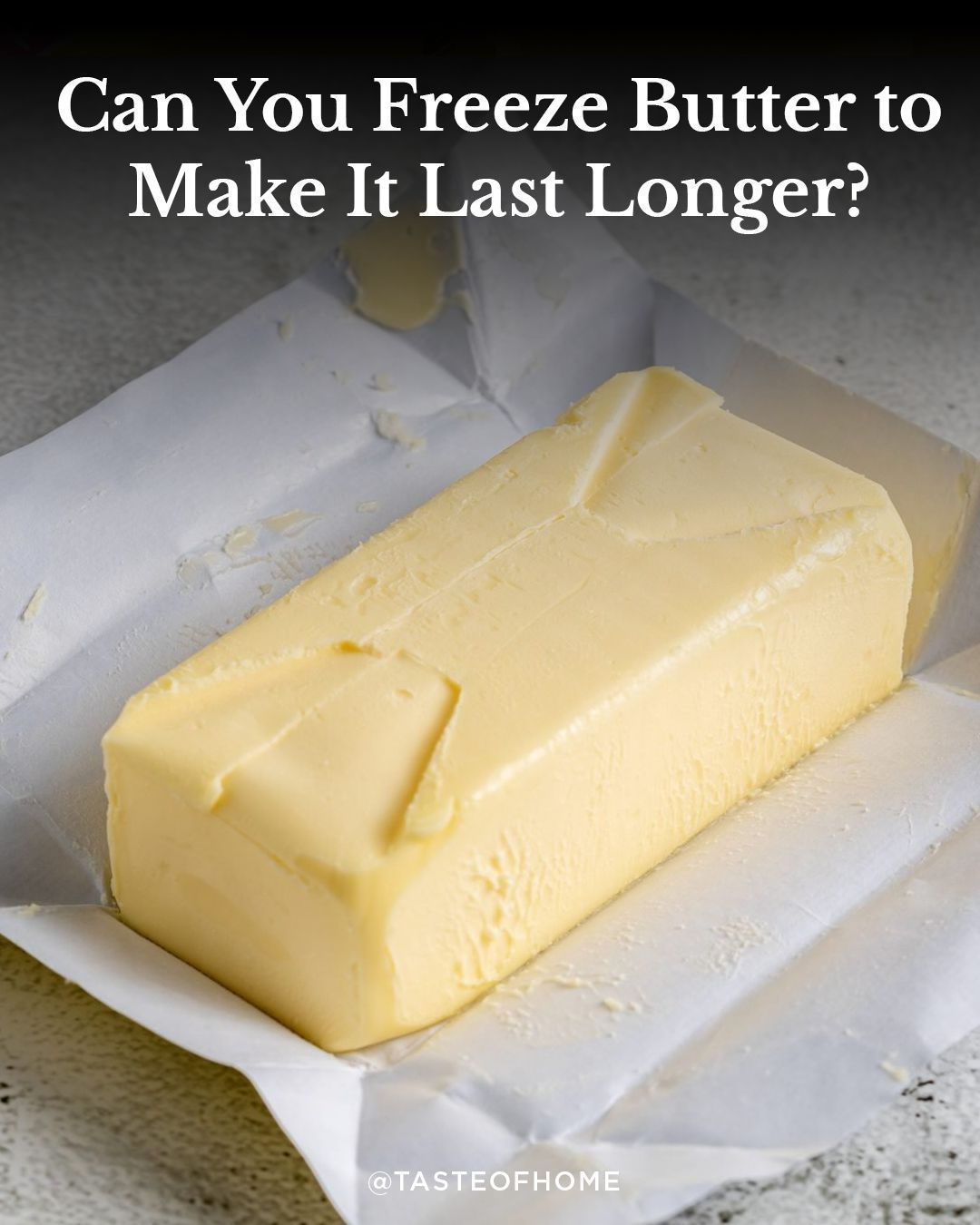
To freeze butter properly, it is best to keep it in its original packaging if it is unopened. The foil or wax paper wrapping helps protect it from freezer burn and prevents it from absorbing odors from other foods. However, for extra protection—especially if you plan to store it for several months—you can place the wrapped butter in an airtight freezer bag or container. This added layer helps preserve freshness and flavor.
If you have already opened the butter, make sure to wrap it tightly before freezing. Exposure to air can lead to freezer burn and affect taste. You can use plastic wrap, aluminum foil, or a resealable bag. For convenience, some people like to cut butter into smaller portions before freezing. This way, you can thaw only what you need instead of the entire block.
Thawing frozen butter is just as important as freezing it correctly. The best method is to transfer the butter from the freezer to the refrigerator and allow it to thaw slowly. This gradual process helps maintain its texture and prevents condensation from forming. Depending on the size, butter may take several hours or overnight to fully thaw. If you are in a hurry, you can leave it at room temperature for a short time, but avoid prolonged exposure to heat, as butter can melt quickly.
One of the advantages of frozen butter is its versatility even when still solid. For baking recipes like pastries, biscuits, or pie crusts, cold or frozen butter is often preferred. Grating frozen butter directly into flour can create a flaky texture, making it a useful technique for certain recipes. This means you do not always have to thaw butter completely before using it.
While freezing butter is highly effective, there are a few things to keep in mind. Butter can absorb strong odors from the freezer if not properly sealed. For example, if stored near fish or heavily spiced foods, it may take on those flavors. Always ensure airtight storage to prevent this issue. Additionally, although butter remains safe to eat beyond its recommended freezer time, its quality may gradually decline, resulting in a slight loss of flavor.
Another helpful tip is labeling your butter before freezing. Write the date on the packaging so you can keep track of how long it has been stored. This is especially useful if you buy butter in bulk during sales or for seasonal baking. Rotating your stock ensures you use the oldest butter first, maintaining freshness in your kitchen.
Freezing butter can also be a smart strategy for meal planning. If you enjoy baking or cooking regularly, having butter readily available can save time and effort. It also prevents last-minute trips to the store. For households that use butter less frequently, freezing helps avoid spoilage, ensuring that none of it goes to waste.
In conclusion, freezing butter is a practical and efficient way to extend its shelf life without sacrificing quality. With proper wrapping, storage, and thawing techniques, you can keep butter fresh for months and use it whenever needed. Whether you are a passionate baker or simply want to manage your groceries better, freezing butter is a simple habit that offers great benefits. By taking a few extra steps, you can ensure that this essential ingredient remains ready to enhance your meals at any time.
